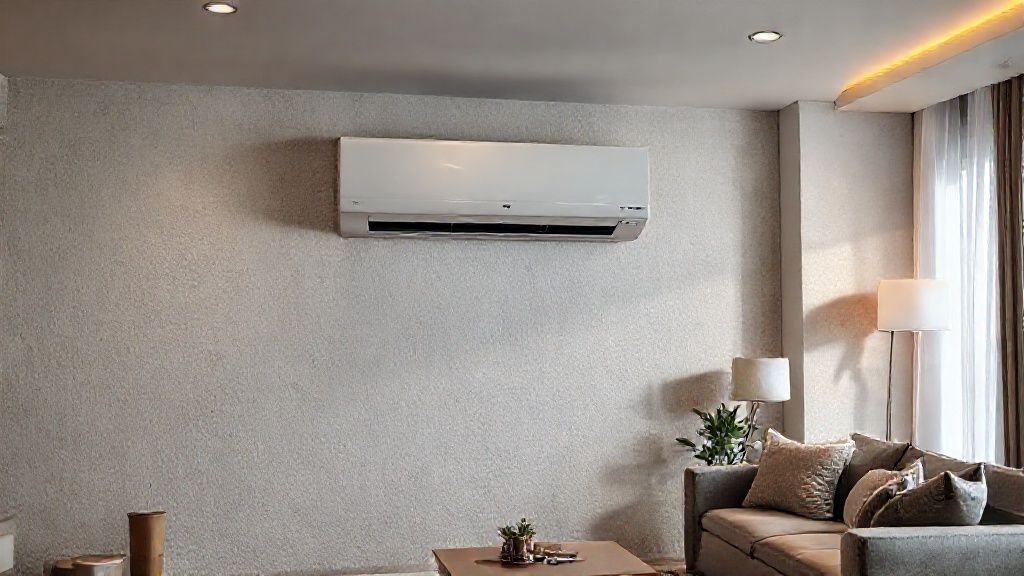
Navigating the Growing Ductless HVAC Market: Opportunities for Contractors
The ductless HVAC market is expanding rapidly, presenting significant opportunities for HVAC contractors. These systems, also known as mini-splits, offer homeowners targeted heating and cooling solutions, particularly in situations where traditional ducted systems are impractical or inefficient. For contractors, understanding the trends, benefits, and installation specifics of ductless systems is key to tapping into this growing market. This article will provide a comprehensive overview of the ductless HVAC market, covering ideal applications, sales strategies, and essential considerations for HVAC professionals.
- Market Growth: Ductless systems are gaining popularity due to their energy efficiency and ease of installation.
- Homeowner Benefits: Zoned heating and cooling, quiet operation, and improved air quality are major selling points.
- Ideal Applications: Additions, renovations, and homes without existing ductwork are prime candidates.
- Sales Strategies: Emphasize energy savings, comfort, and available rebates to close deals.
- Installation: Proper training and understanding of system components are crucial for successful installations.
The Rise of Ductless HVAC Systems: Market Trends and Growth Drivers
The ductless wholesale hvac equipment online market is experiencing substantial growth. Several factors drive this trend, including increasing homeowner awareness of energy efficiency, the rising popularity of smaller, more efficient homes, and the demand for zoned heating and cooling solutions. Ductless systems offer a flexible alternative to traditional HVAC, making them attractive for both new construction and retrofits. The ease of installation, especially in older homes without existing ductwork, is a significant advantage. Furthermore, homeowners appreciate the ability to control the temperature in individual rooms or zones, leading to greater comfort and energy savings. Understanding these trends allows contractors to effectively position ductless systems as a viable and attractive option for their customers.
Understanding the Benefits of Ductless Systems for Homeowners
Ductless HVAC systems offer a range of benefits that appeal to homeowners. Energy efficiency is a primary advantage, as these systems typically use less energy than traditional ducted systems. Zoned heating and cooling is another key benefit, allowing homeowners to customize the temperature in different areas of their homes. This not only enhances comfort but also reduces energy waste by only heating or cooling occupied spaces. Ductless systems operate quietly, contributing to a more peaceful indoor environment. Improved air quality is another advantage, as ductless systems often include advanced filtration systems that remove allergens and pollutants. Finally, the ease of installation and flexibility in placement make ductless systems a convenient solution for additions, renovations, and older homes. Contractors who can effectively communicate these benefits will have a greater chance of success in the ductless wholesale hvac ductwork market.
Ideal Applications for Ductless HVAC: Targeting Specific Customer Needs
Ductless HVAC systems are particularly well-suited for specific applications. Additions and renovations are prime opportunities, as ductless systems can provide heating and cooling without the need for extensive ductwork. Sunrooms, converted attics, and basements are also ideal candidates, as these spaces often lack adequate heating and cooling. Older homes without existing ductwork can benefit greatly from ductless systems, which offer a cost-effective and efficient way to add climate control. Homes with uneven heating and cooling can also benefit, as ductless systems allow for targeted temperature control in problem areas. By focusing on these specific applications, contractors can tailor their marketing efforts and demonstrate the value of ductless systems to a wider range of customers. Don’t forget to remind them of How to Get More Online Reviews for Your HVAC Business.
Selling Ductless HVAC: Effective Strategies for HVAC Contractors
Selling ductless HVAC systems requires a strategic approach. Contractors should highlight the energy savings that homeowners can achieve by switching to ductless systems. Emphasizing the comfort benefits, such as zoned heating and cooling and quiet operation, can also be persuasive. Offering flexible financing options can make ductless systems more accessible to a wider range of customers. Showcasing successful installations and providing thorough product demonstrations can build trust and confidence. Contractors should also be prepared to address common objections and answer questions about the technology and its benefits. Furthermore, don’t forget to present information about ENERGY STAR Federal Tax Credits that can reduce the cost for the customer. By adopting these strategies, contractors can effectively promote ductless systems and increase their sales.
Ductless HVAC Installation and Maintenance: Key Considerations
Proper installation is crucial for the performance and longevity of ductless HVAC systems. Contractors should ensure that they have the necessary training and expertise to install these systems correctly. Understanding the system components, including the outdoor unit, indoor unit, and refrigerant lines, is essential. Proper sizing is also critical to ensure that the system can effectively heat or cool the space. Regular maintenance, including cleaning the filters and coils, is necessary to maintain optimal performance. Contractors should also educate homeowners about proper usage and maintenance practices. By paying attention to these key considerations, contractors can ensure that their ductless HVAC installations are successful and that their customers are satisfied with the results.
Choosing the Right Ductless HVAC Products: Features and Performance
Selecting the right ductless HVAC products is essential for meeting customer needs and ensuring system performance. Contractors should consider factors such as energy efficiency, heating and cooling capacity, and noise levels. Look for systems with high SEER (Seasonal Energy Efficiency Ratio) and HSPF (Heating Season Performance Factor) ratings to maximize energy savings. Consider the features offered, such as advanced filtration systems, smart controls, and multi-zone capabilities. It’s also helpful to check the products on wholesale hvac filters to compare the competition. Choose products from reputable manufacturers with a track record of reliability and customer support. By carefully evaluating these factors, contractors can select ductless HVAC products that deliver optimal performance and customer satisfaction.
Capitalizing on Rebates and Incentives for Ductless Systems
Rebates and incentives can significantly reduce the upfront cost of ductless HVAC systems, making them more attractive to homeowners. Many local, state, and federal programs offer rebates for energy-efficient HVAC equipment. Contractors should be knowledgeable about these programs and be able to guide their customers through the application process. Highlighting the available rebates and incentives can be a powerful selling point, especially for budget-conscious customers. Contractors should also be aware of any tax credits or financing options that can further reduce the cost of ductless systems. By capitalizing on these opportunities, contractors can make ductless HVAC systems more accessible and increase their sales.
Training and Certification Opportunities for Ductless HVAC Installation
Proper training and certification are essential for HVAC contractors who want to install ductless HVAC systems. Many manufacturers and industry organizations offer training programs that cover the installation, maintenance, and repair of ductless systems. These programs provide contractors with the knowledge and skills they need to ensure successful installations and provide excellent customer service. Certification can also enhance a contractor’s credibility and demonstrate their expertise to potential customers. Investing in training and certification is a smart move for contractors who want to expand their services and capitalize on the growing ductless HVAC market.
Overcoming Common Objections to Ductless HVAC
When selling ductless HVAC systems, contractors may encounter common objections from homeowners. One common concern is the upfront cost, which can be higher than traditional HVAC systems. Contractors can address this objection by highlighting the long-term energy savings and the availability of rebates and incentives. Another concern is the appearance of the indoor units, which some homeowners may find unattractive. Contractors can show examples of aesthetically pleasing installations and explain how the units can be integrated into the home’s decor. Some homeowners may also be concerned about the noise levels of ductless systems. Contractors can emphasize that modern ductless systems operate very quietly and that the noise levels are often lower than traditional systems. By addressing these objections head-on, contractors can increase their chances of closing the sale.
The Future of Ductless HVAC: What Contractors Need to Know
The ductless HVAC market is expected to continue growing in the coming years. As energy efficiency becomes increasingly important, and as more homeowners seek zoned heating and cooling solutions, ductless systems will become even more popular. Contractors who want to succeed in this market need to stay up-to-date on the latest trends and technologies. This includes understanding new refrigerants, advanced control systems, and emerging applications for ductless systems. Contractors should also focus on providing excellent customer service and building strong relationships with their customers. By staying ahead of the curve, contractors can position themselves for long-term success in the ductless HVAC market. Additionally, they need to make sure their business is covered with adequate business insurance. Be sure to have a conversation with a local agent so you know How to Reduce Your HVAC Business Insurance Costs. It is also important to have a good relationship with your hvac local marketing provider.
Final Thoughts
The ductless HVAC market presents a wealth of opportunities for HVAC contractors. By understanding the market trends, benefits, and installation specifics of ductless systems, contractors can effectively tap into this growing market. Focusing on specific applications, highlighting energy savings, and providing excellent customer service are key strategies for success. With the right knowledge and approach, contractors can thrive in the expanding world of ductless HVAC.
FAQ Section
What is driving the growth of the ductless HVAC market?
Several factors are contributing to the growth, including increased energy efficiency awareness, the rise of smaller and more energy-efficient homes, the need for zoned heating and cooling, and the ease of installation in existing structures without ductwork.
What are the key benefits of ductless HVAC systems for homeowners?
Ductless systems offer energy efficiency, zoned heating and cooling, quiet operation, improved air quality, easy installation, and flexibility in placement. They can also be a good solution for additions, renovations, and older homes without existing ductwork.
What types of homes are best suited for ductless HVAC systems?
Ductless systems are ideal for additions, renovations, sunrooms, converted attics or basements, older homes without ductwork, and homes with uneven heating and cooling. They can also be a good choice for homeowners looking to improve energy efficiency and control individual room temperatures.
How can HVAC contractors effectively sell ductless HVAC systems?
Contractors can highlight the energy savings, comfort benefits, and ease of installation of ductless systems. Offering flexible financing options, showcasing successful installations, and providing thorough product demonstrations can also be effective.
Are there any rebates or incentives available for ductless HVAC systems?
Yes, many local, state, and federal rebates and incentives are available for energy-efficient ductless HVAC systems. Check with your local utility company and energy efficiency organizations for details.