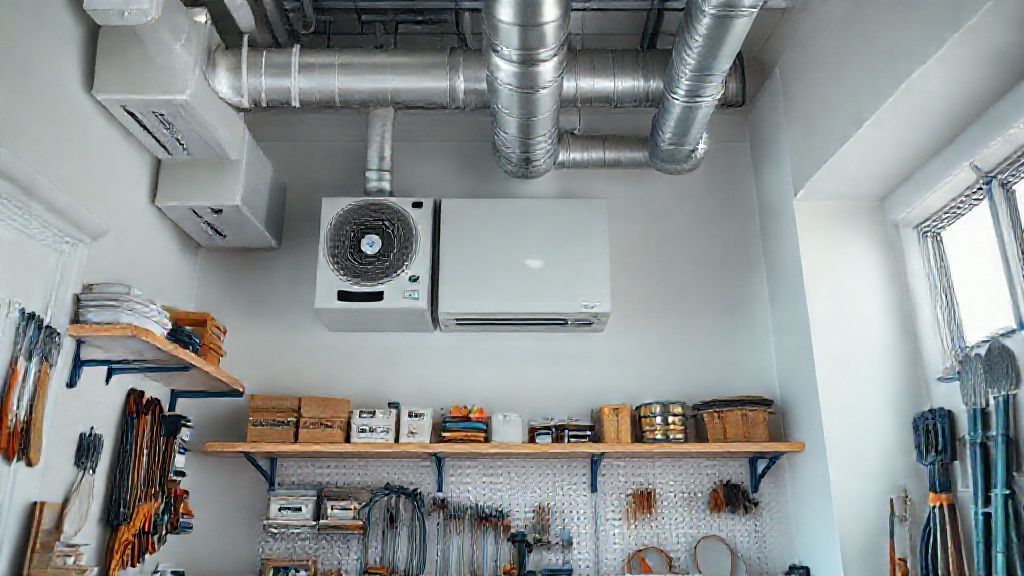
Here’s your guide to organizing your HVAC business. Let’s get right to it.
How to Organize Your HVAC Business for Success: A Comprehensive Guide
Organization is the backbone of any successful HVAC business. Without a solid structure, you’ll struggle with efficiency, customer satisfaction, and profitability. This guide provides actionable steps to organize your business for maximum impact.
Key Highlights:
- Assess Your Current Business Structure: Understand your strengths and weaknesses.
- Define Clear Roles: Ensure everyone knows their responsibilities.
- Efficient Scheduling: Optimize technician routes and appointments.
- Inventory Management: Keep track of parts and equipment.
- Financial Streamlining: Manage cash flow and expenses.
- Standard Operating Procedures: Create consistent processes.
- Leverage Technology: Use software to automate tasks.
- Customer Communication: Keep clients informed and satisfied.
- Clear Communication System: Improve internal team collaboration.
- Regular Review: Continuously refine your organization.
Assess Your Current Business Structure
Before making changes, understand where you stand. Evaluate your current processes, workflows, and team dynamics. Identify bottlenecks, inefficiencies, and areas of strength. Consider these questions:
* What are your current operational costs?
* How efficient is your scheduling process?
* What’s your customer satisfaction rate?
* How well do your teams communicate?
* What kind of wholesale hvac equipment are you using and how efficient is it?
Honest assessment is the first step toward effective organization. From there you can create a plan of action to improve. It will also help you understand the HVAC Market Size in the US: Trends, Growth, and Opportunities for Contractors.
Define Clear Roles and Responsibilities
Ambiguity breeds confusion and inefficiency. Clearly define each role within your HVAC business. Create job descriptions that outline specific responsibilities, expectations, and reporting structures. This ensures everyone knows what’s expected of them and reduces overlap or gaps in coverage. Also make sure your team understands how the hvac tools wholesale can help them.
Benefits of Defined Roles:
- Improved accountability
- Reduced confusion
- Increased efficiency
- Better team coordination
- Enhanced employee morale
Implement Efficient Scheduling and Dispatching
Effective scheduling and dispatching are crucial for maximizing technician productivity and customer satisfaction. Invest in scheduling software that allows you to optimize routes, manage appointments, and track technician locations in real-time. Consider factors like technician skill sets, location, and job complexity when assigning tasks.
Tips for Efficient Scheduling:
- Use scheduling software
- Optimize routes
- Consider technician skills
- Communicate clearly with customers
- Provide real-time updates
Consider investing in hvac web marketing.
Optimize Inventory Management
Poor inventory management can lead to wasted time, lost revenue, and frustrated customers. Implement an inventory management system that allows you to track parts, equipment, and supplies in real-time. Set reorder points to avoid stockouts and minimize carrying costs. Regularly audit your inventory to identify and dispose of obsolete or damaged items.
Strategies for Inventory Optimization:
- Implement inventory management software
- Set reorder points
- Conduct regular audits
- Minimize carrying costs
- Dispose of obsolete items
Make sure you’re aware of hvac wholesale prices.
Streamline Financial Management
Effective financial management is essential for maintaining profitability and ensuring the long-term viability of your HVAC business. Implement accounting software that allows you to track income, expenses, and cash flow. Develop a budget and monitor your financial performance against it. Regularly review your pricing strategies to ensure they are aligned with your costs and market conditions.
Key Financial Management Practices:
- Use accounting software
- Develop a budget
- Monitor financial performance
- Review pricing strategies
- Manage cash flow
Develop Standard Operating Procedures (SOPs)
Standard Operating Procedures (SOPs) are documented step-by-step instructions for performing specific tasks. They ensure consistency, reduce errors, and facilitate training for new employees. Develop SOPs for common tasks such as equipment installation, maintenance, repairs, and customer service interactions. Regularly review and update your SOPs to reflect changes in technology, regulations, and best practices. SOPs should be readily available to all staff that requires them.
Benefits of SOPs:
- Ensured consistency
- Reduced errors
- Facilitated training
- Improved efficiency
- Enhanced compliance
Leverage Technology for Organization
Technology can be a powerful tool for organizing your HVAC business. Implement software solutions for tasks such as scheduling, dispatching, inventory management, invoicing, and customer relationship management (CRM). Cloud-based solutions offer accessibility, scalability, and collaboration benefits. Ensure that your technology investments are aligned with your business needs and provide a clear return on investment. Top HVAC Marketing Companies: Grow Your Business in 2024 should be able to set you up.
Technology Solutions for HVAC Businesses:
- Scheduling and dispatching software
- Inventory management systems
- Accounting software
- Customer relationship management (CRM) software
- Mobile apps for technicians
Prioritize Customer Communication
Clear and consistent communication is essential for building strong customer relationships and ensuring satisfaction. Implement a system for managing customer inquiries, requests, and complaints. Provide timely updates on service appointments, project progress, and billing information. Solicit feedback from customers to identify areas for improvement.
Strategies for Effective Customer Communication:
- Respond promptly to inquiries
- Provide timely updates
- Solicit customer feedback
- Personalize interactions
- Use multiple communication channels
Establish a Clear Communication System
Internal communication is just as important as external communication. Establish clear channels and protocols for internal team communication. Use tools such as email, instant messaging, and project management software to facilitate collaboration and information sharing. Conduct regular team meetings to discuss progress, challenges, and opportunities.
Tips for Improving Internal Communication:
- Establish clear communication channels
- Use collaboration tools
- Conduct regular team meetings
- Encourage open communication
- Provide feedback and recognition
Regularly Review and Adjust Your Organizational Structure
Organization is an ongoing process, not a one-time event. Regularly review your organizational structure, processes, and systems to identify areas for improvement. Solicit feedback from employees and customers. Stay informed about industry trends and best practices. Be willing to adapt your organizational structure to meet changing market conditions and business needs. The Umatilla Electric Cooperative is a great example of a company that adjusts to meet the customer needs.
Key Elements of Regular Review:
- Solicit feedback
- Stay informed about industry trends
- Be willing to adapt
- Monitor key performance indicators (KPIs)
- Make adjustments as needed
Final Thoughts
Organizing your HVAC business requires a multifaceted approach that encompasses defining roles, streamlining operations, leveraging technology, and prioritizing communication. By implementing the strategies outlined in this guide, you can create a more efficient, profitable, and customer-focused business.
FAQ Section
What are the key areas to focus on when organizing an HVAC business?
The key areas include defining roles, implementing efficient scheduling, optimizing inventory management, streamlining finances, developing standard operating procedures, leveraging technology, and prioritizing customer communication.
Why is it important to define clear roles and responsibilities?
Clearly defined roles prevent confusion, improve accountability, and ensure that all tasks are properly assigned and completed efficiently.
How can technology help in organizing my HVAC business?
Technology can automate tasks like scheduling, dispatching, inventory management, and invoicing, leading to improved efficiency and reduced errors. Consider implementing software solutions tailored for HVAC businesses.
What are Standard Operating Procedures (SOPs) and why are they important?
SOPs are documented step-by-step instructions for performing specific tasks. They ensure consistency, reduce errors, and facilitate training for new employees.
How often should I review my organizational structure?
You should regularly review your organizational structure (at least annually) to identify areas for improvement and ensure that your business is adapting to changing market conditions and growth.