Ductless HVAC Systems: Market Trends and Opportunities for HVAC Contractors
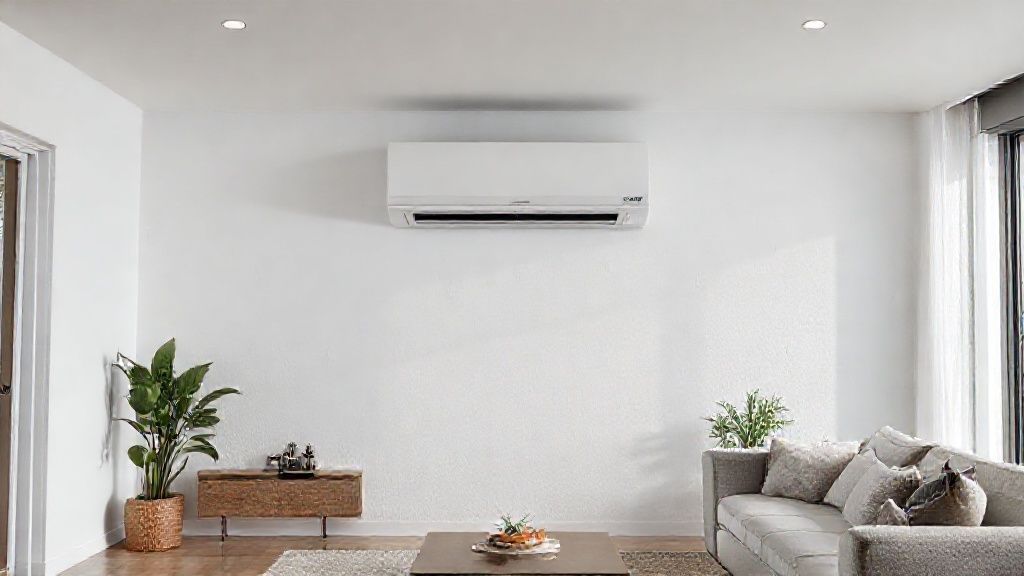
The ductless HVAC system market is expanding, presenting significant opportunities for HVAC contractors looking to grow their businesses. Ductless systems, also known as mini-splits, offer unique advantages over traditional ducted systems, making them an attractive option for many homeowners. Understanding the trends and capitalizing on the demand can lead to increased revenue and a broader customer base. Let’s take a look at the factors driving this growth and how you can position your company to take advantage of it. hvac local marketing service
- Growing Market: The ductless HVAC market is experiencing substantial growth due to energy efficiency and ease of installation.
- Key Drivers: Energy costs, home renovations, and the desire for personalized comfort are fueling demand.
- Homeowner Benefits: Ductless systems offer energy savings, zone control, and improved air quality.
- Contractor Opportunities: Expanding services to include ductless systems can increase revenue and attract new customers.
- Installation: Proper sizing and installation are crucial for optimal performance.
The Rise of Ductless HVAC Systems
Ductless HVAC systems have moved from a niche product to a mainstream solution for heating and cooling. Their popularity stems from their ability to provide efficient, targeted climate control without the need for extensive ductwork. This makes them ideal for older homes, additions, and spaces where installing ducts is impractical or too expensive. The ductless HVAC system market continues to see innovation, with manufacturers developing more efficient and user-friendly models. hvac local seo marketing
Key Market Drivers for Ductless Systems
Several factors are contributing to the growing demand for ductless HVAC systems. The most significant include:
- Energy Efficiency: Ductless systems are generally more energy-efficient than traditional HVAC systems because they eliminate energy loss through ductwork.
- Home Renovations and Additions: Many homeowners are choosing ductless systems for renovations and additions to avoid extending existing ductwork or installing new ductwork.
- Personalized Comfort: Ductless systems offer zone control, allowing homeowners to heat or cool individual rooms or areas to their preferred temperatures.
- Cost Savings: Although the initial investment can be higher, the long-term energy savings often offset the cost.
Benefits of Ductless HVAC for Homeowners
Homeowners are increasingly drawn to ductless HVAC systems because of the numerous benefits they offer:
- Energy Efficiency: Ductless systems use inverter technology and eliminate duct losses, resulting in lower energy bills.
- Zone Control: Each indoor unit can be controlled independently, allowing for personalized comfort in different areas of the home.
- Easy Installation: Ductless systems are easier and less disruptive to install than traditional ducted systems.
- Improved Air Quality: Ductless systems often include advanced filtration, which improves indoor air quality by removing dust, allergens, and other pollutants.
- Quiet Operation: Ductless systems are known for their quiet operation, providing a more comfortable living environment.
Targeting the Right Customers for Ductless HVAC
Identifying the right customers is key to successfully marketing ductless HVAC systems. Here are some target demographics:
- Homeowners with Older Homes: Ductless systems are a great solution for homes without existing ductwork.
- Homeowners Adding Renovations: Ductless systems are a perfect fit for additions where extending ductwork is not feasible.
- Energy-Conscious Consumers: Homeowners who prioritize energy efficiency and lower utility bills are ideal candidates.
- Customers with Specific Comfort Needs: Those who want personalized temperature control in different rooms will appreciate zone control.
Ductless vs. Traditional HVAC: A Contractor’s Perspective
As an HVAC contractor, it’s important to understand the differences between ductless and traditional HVAC systems. Ductless systems offer some advantages, but they also have their own set of considerations:
- Installation: Ductless systems generally require less labor to install, but they require specific knowledge and skills. Training is key.
- Maintenance: Ductless systems require regular maintenance to ensure optimal performance. Filter cleaning and coil cleaning are essential.
- Cost: The initial cost of ductless systems can be higher than traditional systems, but the long-term energy savings can make them more cost-effective.
- Customer Satisfaction: Properly installed and maintained ductless systems can lead to higher customer satisfaction due to improved comfort and lower energy bills.
Installation Best Practices for Ductless Systems
Proper installation is critical to the performance and longevity of ductless HVAC systems. Here are some best practices:
- Proper Sizing: Calculate the heating and cooling load accurately to ensure the system is properly sized for the space.
- Strategic Placement: Position the indoor units in locations that provide optimal airflow and comfort.
- Correct Refrigerant Lines: Use the correct size and type of refrigerant lines and ensure they are properly insulated.
- Professional Wiring: Follow all electrical codes and guidelines when wiring the system.
- Thorough Testing: Test the system after installation to ensure it is operating correctly and efficiently.
Marketing Ductless HVAC Services: Strategies for Success
To successfully market ductless HVAC services, consider these strategies:
- Highlight the Benefits: Focus on the energy efficiency, zone control, and easy installation of ductless systems.
- Target the Right Audience: Identify and target homeowners who are most likely to benefit from ductless systems.
- Offer Financing Options: Make it easier for customers to afford ductless systems by offering financing options.
- Showcase Your Expertise: Emphasize your training, certifications, and experience with ductless systems.
- Provide Excellent Customer Service: Ensure customer satisfaction by providing prompt, professional, and reliable service.
Training and Certification for Ductless HVAC Installation and Service
Investing in training and certification is essential for HVAC contractors looking to offer ductless HVAC services. Specialized training programs provide the knowledge and skills needed to properly install, maintain, and repair ductless systems. Furthermore, HVAC technicians who handle refrigerants must be certified under EPA Section 608 Certification. Here are some key areas to focus on:
- Installation Training: Learn the best practices for installing ductless systems, including proper sizing, placement, and wiring.
- Service and Maintenance Training: Understand how to properly service and maintain ductless systems to ensure optimal performance and longevity.
- Troubleshooting Training: Develop the skills needed to diagnose and repair common issues with ductless systems.
- Manufacturer Certifications: Obtain certifications from leading ductless HVAC manufacturers to demonstrate your expertise.
Sizing and Selection Considerations for Ductless Systems
Selecting the right ductless HVAC system is crucial for ensuring optimal performance and customer satisfaction. Consider the following factors:
- Size of the Space: Calculate the square footage of the space to be heated or cooled to determine the appropriate system size.
- Climate Conditions: Consider the local climate conditions, including temperature extremes and humidity levels.
- Number of Zones: Determine the number of zones needed to provide personalized comfort in different areas of the home.
- Energy Efficiency: Choose a system with a high Seasonal Energy Efficiency Ratio (SEER) and Heating Seasonal Performance Factor (HSPF) for maximum energy savings.
- Look for wholesale hvac near me, wholesale hvac parts near me, or even wholesale hvac supplies near me close to you to make sourcing equipment easier.
Future Trends in the Ductless HVAC Market
The ductless HVAC market is expected to continue growing in the coming years, driven by advancements in technology and increasing demand for energy-efficient solutions. Here are some future trends to watch:
- Smart Home Integration: Ductless systems will increasingly integrate with smart home systems, allowing homeowners to control their HVAC systems remotely.
- Improved Energy Efficiency: Manufacturers will continue to develop more energy-efficient ductless systems to meet stricter energy standards and consumer demand.
- Advanced Filtration: Ductless systems will incorporate more advanced filtration technologies to improve indoor air quality and remove allergens and pollutants.
- Increased Adoption in Commercial Buildings: Ductless systems will become more common in commercial buildings due to their energy efficiency and flexibility.
Final Thoughts
The ductless HVAC system market presents a significant opportunity for HVAC contractors. By understanding the market trends, targeting the right customers, and investing in training and certification, you can successfully expand your service offerings and grow your business. Keep up with the latest technology and be ready to meet the increasing demand for energy-efficient and comfortable home climate solutions. Make sure to consult How to Start an HVAC Business in Pennsylvania: A Comprehensive Guide to ensure that you are following all state and local regulations for your business.
FAQ: Ductless HVAC Systems
What are the primary advantages of ductless HVAC systems?
Ductless HVAC systems, also known as mini-splits, offer several advantages including energy efficiency, individual zone control, ease of installation, and improved indoor air quality. They are ideal for homes without existing ductwork, additions, and spaces requiring independent temperature control.
What is driving the growth of the ductless HVAC market?
Several factors contribute to the growth of the ductless HVAC market. These include increasing energy costs, the growing popularity of home renovations and additions, the desire for personalized comfort, and advancements in ductless technology.
How can HVAC contractors benefit from the ductless HVAC market?
HVAC contractors can benefit by expanding their service offerings to include ductless system installation, maintenance, and repair. The growing demand for ductless systems provides a significant opportunity to increase revenue and attract new customers.
What are the key considerations when selecting a ductless HVAC system?
When selecting a ductless HVAC system, consider factors such as the size of the space to be cooled or heated, the desired energy efficiency, the number of zones needed, and the specific climate conditions. Proper sizing and selection are crucial for optimal performance and customer satisfaction.
What training and certifications are recommended for ductless HVAC installation and service?
HVAC contractors should pursue specialized training and certifications in ductless HVAC installation and service. These programs provide the necessary knowledge and skills to properly install, maintain, and troubleshoot ductless systems, ensuring high-quality service and customer satisfaction.