Residential HVAC Market Share Analysis: Opportunities for Contractors
The residential HVAC market is a dynamic and competitive landscape where understanding market share is crucial for success. As an HVAC contractor, knowing who the major players are, what influences consumer choices, and where the growth opportunities lie can significantly impact your business strategy and profitability. This analysis will provide insights into the current state of the market, key factors influencing market share, and actionable strategies to help you thrive.
- Current Market Overview: Understand the size and growth trends of the residential HVAC market.
- Key Players: Identify the leading manufacturers and their respective market shares.
- Influencing Factors: Learn what drives consumer decisions, from brand reputation to technological advancements.
- Regional Variations: Explore how market share differs across various geographic regions.
- Technological Impact: Discover how innovations like smart HVAC systems affect market dynamics.
- Growth Opportunities: Uncover untapped potential and niche markets for HVAC contractors.
- Strategic Approaches: Implement effective strategies to increase your market share.
- Future Outlook: Prepare for upcoming trends and changes in the residential HVAC landscape.
Current State of the Residential HVAC Market
The residential HVAC market is a multi-billion dollar industry, driven by factors like new home construction, replacement of aging systems, and increasing demand for energy-efficient solutions. Economic conditions, climate variations, and government incentives all play a role in shaping market dynamics. The market has seen consistent growth, with homeowners increasingly prioritizing comfort, indoor air quality, and energy savings. Staying informed about these trends is vital for making strategic business decisions. Before you get started, you may want to create an HVAC Business Plan Template & Examples for Contractors.
Key Players and Market Share Leaders
Several major manufacturers dominate the residential HVAC market. These include well-established brands like Carrier, Trane, Lennox, Goodman, and Rheem. Each company holds a significant portion of the market share, thanks to their extensive product lines, distribution networks, and brand recognition. However, market share is not static; it fluctuates based on product innovation, marketing efforts, and consumer preferences. Contractors should monitor these shifts to align their offerings with popular and reliable brands. It’s also wise to check out where you can find wholesale hvac distributors near me.
Factors Influencing Market Share
Several factors determine which brands and contractors gain the largest slice of the residential HVAC market. Brand reputation is paramount; homeowners often prefer brands known for reliability and quality. Product innovation, such as developing more energy-efficient or smart systems, also drives market share. Pricing strategy is another critical element; competitive pricing can attract budget-conscious consumers. Additionally, a strong distribution network ensures that products are readily available to contractors. Finally, energy efficiency standards and government regulations play a significant role, as consumers seek to comply with environmental guidelines and take advantage of incentives. The US Department of Energy Heating Cooling has a lot of resources to help you and your customers.
Regional Market Share Variations
Market share can vary significantly from one region to another due to climate, economic conditions, and local preferences. For example, in warmer climates, there’s a higher demand for air conditioning systems, while colder regions see a greater need for furnaces and heat pumps. Economic factors, such as income levels and housing costs, also influence consumer choices. Understanding these regional differences allows contractors to tailor their offerings and marketing efforts to specific areas, maximizing their market penetration. Don’t forget, you may need How Much Does HVAC Business Insurance Cost? A Contractor’s Guide before you begin your business.
Impact of Technology on Market Share
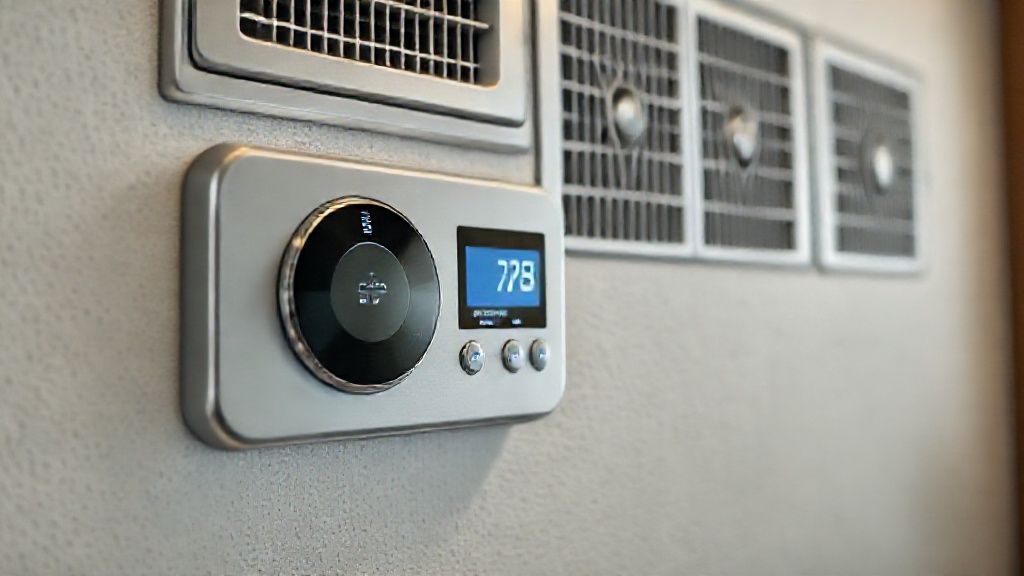
Technology is transforming the residential HVAC market, with smart thermostats, zoning systems, and advanced filtration technologies gaining popularity. These innovations not only improve energy efficiency and comfort but also provide homeowners with greater control over their indoor environment. Companies that invest in and promote these technologies are likely to see increased market share. HVAC contractors who embrace and become proficient in installing and servicing these systems can gain a competitive edge. The increasing demand for energy-efficient systems is reshaping consumer preferences and driving market share toward brands that prioritize sustainability.
Opportunities for HVAC Contractors
Despite the dominance of major manufacturers, there are numerous opportunities for HVAC contractors to increase their market share. Specializing in niche services, such as ductless systems, indoor air quality solutions, or smart home integration, can attract a specific customer base. Building strong relationships with local builders and real estate agents can also generate referral business. Additionally, offering maintenance contracts and extended warranties can create recurring revenue streams and foster customer loyalty. By focusing on customer service and building a solid reputation, contractors can differentiate themselves from competitors. Make sure you’ve got the proper education to How to Start an HVAC Business in NYC: A Contractor’s Guide before you jump in.
Strategies to Increase Market Share
To effectively grow market share, HVAC contractors should implement a multi-faceted strategy. Start by providing exceptional customer service; satisfied customers are more likely to refer your business to others. Offer competitive pricing without compromising on quality. Invest in targeted marketing and advertising campaigns to reach potential customers. Develop a strong online presence through a professional website and social media engagement. Consider offering financing options to make HVAC upgrades more accessible to homeowners. Finally, continuously train your staff on the latest technologies and industry best practices to ensure top-notch service. Consider working with a wholesale hvac distributor for wholesale equipment to increase your margins.
Future Trends and Predictions
The residential HVAC market is expected to continue evolving, driven by technological advancements and changing consumer preferences. The demand for energy-efficient systems will likely increase as homeowners become more conscious of environmental impact and energy costs. Smart home integration will become more prevalent, with HVAC systems seamlessly connecting to other smart devices. The adoption of eco-friendly refrigerants will accelerate due to environmental regulations. Contractors who anticipate these trends and adapt their business strategies accordingly will be well-positioned for future success. They may also want to learn more about wholesale carrier hvac.
Final Thoughts
Understanding residential HVAC market share is essential for HVAC contractors looking to grow their businesses. By staying informed about market trends, key players, and influencing factors, contractors can make strategic decisions to capture a larger share of the market. Focusing on customer service, embracing new technologies, and adapting to changing consumer preferences are crucial for long-term success in this competitive industry. With the right approach, HVAC contractors can thrive and build a sustainable business in the dynamic residential HVAC market.
Frequently Asked Questions
Who are the leading manufacturers in the residential HVAC market?
The leading manufacturers often include brands like Carrier, Trane, Lennox, Goodman, and Rheem. Market share fluctuates, so staying updated with recent reports is crucial.
What factors influence market share in the HVAC industry?
Factors such as brand reputation, product innovation, pricing strategy, distribution network, energy efficiency standards, and government regulations significantly impact market share.
How can HVAC contractors increase their market share?
HVAC contractors can increase their market share by providing excellent customer service, offering competitive pricing, investing in marketing and advertising, specializing in niche services, and staying up-to-date with the latest technologies and industry trends.
What are the emerging trends affecting residential HVAC market share?
Emerging trends include the increasing demand for energy-efficient systems, smart home integration, ductless systems, and the adoption of eco-friendly refrigerants. Understanding these trends is crucial for contractors to adapt and gain market share.
Where can I find reliable data on residential HVAC market share?
Reliable data can be found through industry research reports, market analysis firms, and HVAC trade associations. Subscribing to industry publications and attending trade shows can also provide valuable insights.