What is an HVAC Business? A Comprehensive Guide for Contractors
So, you want to know what an HVAC business really is? Simply put, it’s a company that specializes in heating, ventilation, and air conditioning systems. But there’s more to it than just that. It involves understanding the hvac market trends, mastering technical skills, and providing top-notch service. Let’s break it down.
Key Highlights:
- HVAC businesses provide installation, repair, and maintenance for HVAC systems.
- Licensing and certifications are crucial for legal operation.
- Market understanding and customer service are essential for success.
- Technology and innovation are transforming the industry.
- Strong branding and financial management are vital for growth.
Defining an HVAC Business
An HVAC business focuses on the design, installation, maintenance, and repair of heating, ventilation, and air conditioning systems. These systems are critical for maintaining comfortable and healthy indoor environments in residential, commercial, and industrial buildings. To be successful, an HVAC business needs a solid understanding of thermodynamics, fluid mechanics, and electrical systems. You also need excellent customer service skills, because you’re often dealing with people when they’re uncomfortable or stressed about their systems.
Core Services Offered by HVAC Businesses
HVAC businesses offer a range of services to meet the diverse needs of their clients. Here are some core offerings:
- Installation: Installing new HVAC systems in new constructions or replacing old, inefficient systems.
- Repair: Diagnosing and repairing malfunctioning HVAC systems, including replacing faulty parts.
- Maintenance: Providing routine check-ups and maintenance services to keep systems running efficiently and prevent breakdowns.
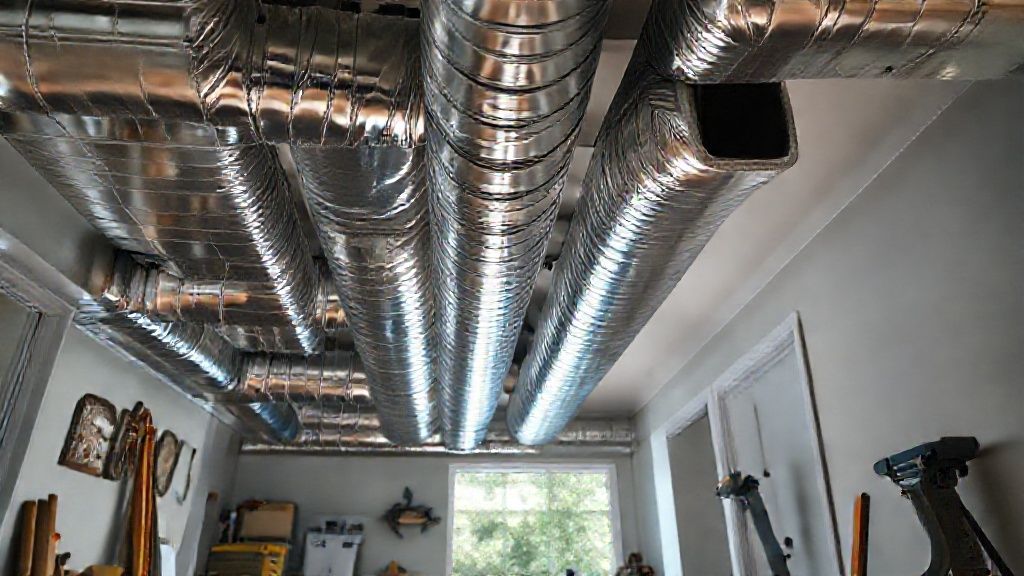
- Ductwork: Inspecting, cleaning, repairing, and installing ductwork to ensure proper airflow.
- Indoor Air Quality: Offering solutions to improve indoor air quality, such as air purifiers, humidifiers, and ventilation systems.
- Emergency Services: Providing 24/7 emergency repair services to address urgent HVAC issues.
Essential Components of a Successful HVAC Business
Running a successful HVAC business requires more than just technical expertise. Several key components contribute to its overall success:
- Skilled Technicians: Having a team of well-trained and certified technicians who can accurately diagnose and repair HVAC systems.
- Quality Equipment and Parts: Using reliable equipment and high-quality replacement parts to ensure lasting repairs and installations. Looking for hvac wholesale suppliers can be a good starting point.
- Excellent Customer Service: Providing prompt, courteous, and professional service to build customer loyalty and generate referrals.
- Efficient Operations: Streamlining operations through effective scheduling, inventory management, and communication systems.
- Marketing and Sales: Implementing effective marketing strategies to attract new customers and grow the business. It helps to have a marketing plan and know what kind of budget you’re working with. You can even look for a hvac marketing agency near me if marketing isn’t your strong suit.
- Financial Management: Managing finances effectively through budgeting, accurate accounting, and smart investments.
The Role of Licensing and Certification
Licensing and certification are essential for HVAC businesses to operate legally and ethically. These requirements vary by state and locality, but generally include:
- HVAC Contractor License: A license that allows you to legally perform HVAC work in a specific area.
- EPA Section 608 Certification: Required for handling refrigerants, ensuring compliance with environmental regulations.
- NATE Certification: North American Technician Excellence (NATE) certification demonstrates a technician’s knowledge and skills.
Make sure you check your local regulations. For example, in Alabama, HVAC contractors must adhere to the regulations set by the Alabama PSC. Operating without the proper credentials can result in hefty fines and legal issues.
Understanding the HVAC Market and Customer Base
To succeed, you need to understand your market and customer base. This involves:
- Identifying Target Markets: Determining which customer segments to focus on, such as residential, commercial, or industrial clients.
- Analyzing Competitors: Assessing the strengths and weaknesses of your competitors to identify opportunities for differentiation.
- Understanding Customer Needs: Knowing what customers value most, such as reliability, affordability, or energy efficiency.
- Gathering Customer Feedback: Regularly collecting feedback through surveys, reviews, and direct communication to improve service quality.
Technology and Innovation in the HVAC Industry
Technology is rapidly changing the HVAC industry. Staying updated can give you a competitive edge:
- Smart Thermostats: Installing and servicing smart thermostats that allow remote control and energy management.
- Energy-Efficient Systems: Promoting and installing high-efficiency HVAC systems that reduce energy consumption and lower utility bills.
- Remote Monitoring and Diagnostics: Using technology to remotely monitor HVAC systems and diagnose issues before they become major problems.
- Software Solutions: Implementing software for scheduling, invoicing, customer relationship management (CRM), and other business functions.
Key Challenges and Opportunities for HVAC Businesses
Like any business, HVAC companies face challenges. Recognizing these and turning them into opportunities is key:
- Seasonal Demand Fluctuations: Managing workload during peak seasons and finding ways to generate revenue during slow periods.
- Competition: Differentiating your business through specialized services, superior customer service, or competitive pricing.
- Rising Equipment Costs: Sourcing equipment and parts from reliable wholesale hvac direct and managing inventory effectively to control costs.
- Skilled Labor Shortages: Investing in training and development programs to attract and retain qualified technicians.
- Evolving Technologies and Regulations: Staying informed about the latest technologies and regulations to ensure compliance and offer cutting-edge solutions.
Building a Strong HVAC Business Brand
Branding is crucial for setting your business apart. Here’s how to build a strong brand:
- Professional Website: Creating a user-friendly website that showcases your services, expertise, and customer testimonials.
- Online Presence: Engaging with customers on social media platforms and maintaining a positive online reputation.
- Customer Reviews: Encouraging customers to leave reviews on platforms like Google, Yelp, and Facebook.
- Branded Vehicles and Uniforms: Using branded vehicles and uniforms to create a consistent and professional image.
- Community Involvement: Participating in local events and supporting community initiatives to build goodwill.
Make sure your marketing efforts align with your brand. A well-executed hvac marketing case study can demonstrate how others have successfully built their HVAC business through effective marketing.
Financial Management for HVAC Contractors
Sound financial management is the backbone of any successful HVAC business:
- Budgeting: Creating a detailed budget to track income and expenses.
- Pricing Strategies: Developing pricing strategies that are competitive yet profitable.
- Cash Flow Management: Monitoring cash flow to ensure sufficient funds are available to cover expenses.
- Accounting Practices: Implementing accurate accounting practices to track financial performance and prepare for tax season.
- Insurance Coverage: Obtaining adequate insurance coverage to protect against liabilities and losses.
Future Trends Shaping the HVAC Industry
The HVAC industry is continually evolving. Here are some future trends to watch:
- Increased Focus on Energy Efficiency: Demand for high-efficiency HVAC systems and energy-saving solutions will continue to grow.
- Smart Home Integration: HVAC systems will become increasingly integrated with smart home technology, allowing for greater control and automation.
- Sustainable Practices: Growing emphasis on sustainable practices, such as using eco-friendly refrigerants and reducing carbon footprint.
- Predictive Maintenance: Advanced monitoring and diagnostic tools will enable predictive maintenance, reducing downtime and improving system reliability.
- Technological Advancements: Ongoing advancements in HVAC technology, such as variable refrigerant flow (VRF) systems and geothermal heating, will offer new opportunities.
Final Thoughts
An HVAC business is a complex operation that requires technical expertise, business acumen, and a commitment to customer service. By understanding the key components, challenges, and opportunities, you can position your HVAC business for long-term success. Keep learning, adapt to new technologies, and always put your customers first. If you need to find a hvac wholesaler near me, research their reputation and ensure they supply quality parts.
FAQ Section
What are the primary services offered by an HVAC business?
HVAC businesses typically offer installation, repair, and maintenance services for heating, ventilation, and air conditioning systems. This includes furnaces, air conditioners, heat pumps, ductwork, and indoor air quality solutions.
What licenses and certifications are required to operate an HVAC business?
Licensing and certification requirements vary by state and locality. Generally, HVAC contractors need to be licensed and certified in areas like EPA Section 608 for refrigerant handling, and specific licenses related to electrical work and plumbing may also be needed.
What are some key challenges faced by HVAC businesses?
HVAC businesses face challenges such as seasonal demand fluctuations, competition, rising equipment costs, skilled labor shortages, and keeping up with evolving technologies and regulations.
How can an HVAC business build a strong brand?
Building a strong HVAC brand involves providing excellent customer service, developing a professional online presence, gathering positive reviews, offering competitive pricing, and establishing a reputation for reliability and expertise.
What is the role of technology in the HVAC industry?
Technology plays a vital role in the HVAC industry. It impacts areas such as smart thermostats, energy-efficient systems, remote monitoring and diagnostics, and using software for scheduling, invoicing, and customer relationship management (CRM).