HVAC Industry Market Size Forecast for 2025: Opportunities for Contractors
The HVAC industry is dynamic, and understanding its trajectory is crucial for contractors looking to thrive. With the market constantly evolving due to technological advancements, regulatory changes, and shifting consumer preferences, staying informed is more important than ever. Here’s a look at the HVAC industry market size expected for 2025 and how you can position your business to take advantage of the opportunities ahead. It’s time to get your plan in place. HVAC Business Profitability: Understanding Revenue and Expenses
Key Highlights
- Significant growth is projected for the HVAC market by 2025.
- Residential and commercial sectors offer distinct opportunities.
- Technological advancements are reshaping HVAC systems.
- Energy efficiency and regulations are key drivers.
- Regional variations impact HVAC demand.
Key Market Drivers for HVAC Growth
Several factors are fueling the expansion of the HVAC industry. Population growth, urbanization, and rising disposable incomes contribute to increased demand for heating, ventilation, and air conditioning systems. Extreme weather patterns and rising global temperatures further drive the need for effective climate control solutions. american standard hvac wholesale distributors
Another significant driver is the increasing construction of residential and commercial buildings. As new structures go up, the demand for HVAC systems grows proportionally. Retrofitting older buildings with modern, energy-efficient systems is also a major growth area. Ameren Corporate understands the need for reliable HVAC for their facilities, and that demand is reflected across many sectors.
Stringent energy efficiency regulations and standards play a critical role. Governments worldwide are implementing policies to reduce energy consumption and carbon emissions. This is pushing consumers and businesses to adopt advanced HVAC systems that meet these requirements. Staying up-to-date with these regulations will be key to your business strategy.
Residential HVAC Market Trends
The residential HVAC market is seeing a surge in demand for smart and energy-efficient systems. Homeowners want greater control over their indoor climate while minimizing energy costs. This has led to increased adoption of smart thermostats, zoning systems, and high-efficiency air conditioners and furnaces. direct hvac wholesale
Replacement of aging HVAC equipment is a significant portion of the residential market. As older systems reach the end of their lifespan, homeowners are opting for newer, more efficient models. This provides a steady stream of business for HVAC contractors who offer replacement services.
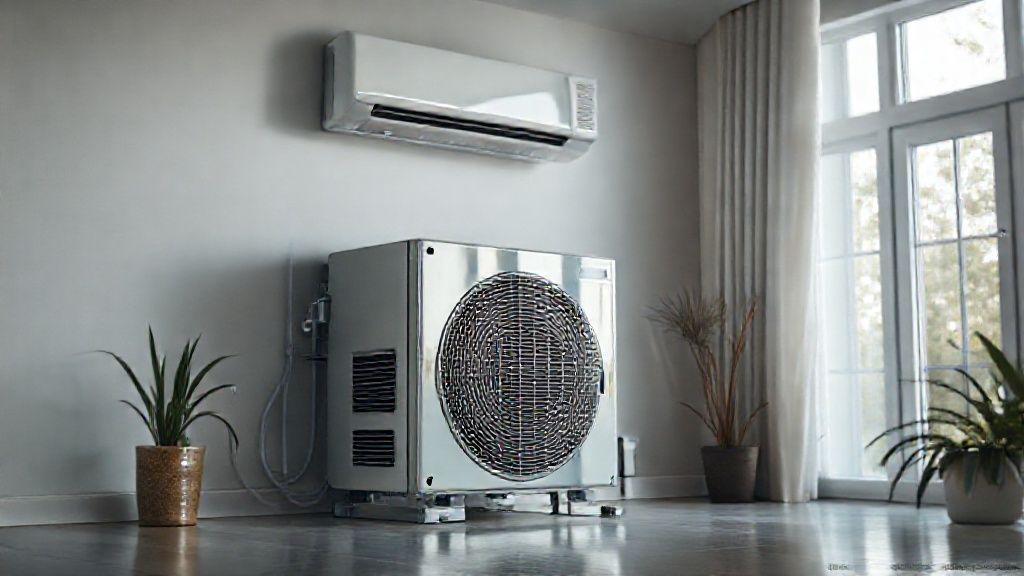
Another trend is the growing popularity of ductless mini-split systems, particularly in homes without existing ductwork or in rooms that require supplemental heating or cooling. These systems offer flexibility and energy efficiency, making them an attractive option for many homeowners. Consider specializing in these systems to capture a growing market segment.
Commercial HVAC Market Outlook
The commercial HVAC market is driven by the need for reliable and efficient climate control in offices, retail spaces, healthcare facilities, and industrial buildings. Businesses are increasingly focused on reducing energy consumption and operating costs, which is driving demand for advanced HVAC technologies.
Energy-efficient chillers, VRF (variable refrigerant flow) systems, and building automation systems are gaining traction in the commercial sector. These technologies offer precise temperature control, energy savings, and improved indoor air quality. Become proficient in installing and maintaining these systems to serve the commercial market effectively.
Maintenance and service contracts are crucial for commercial HVAC systems. Regular maintenance ensures optimal performance, extends equipment lifespan, and prevents costly breakdowns. Offering comprehensive maintenance packages can provide a recurring revenue stream for your business.
Regional Variations in HVAC Demand
HVAC demand varies significantly by region due to differences in climate, building codes, and economic conditions. For example, warmer regions in the southern United States see higher demand for air conditioning systems, while colder regions in the north require robust heating solutions. Analyze the specific needs of your local market to tailor your service offerings accordingly. goodman hvac wholesale
Areas with rapid population growth and construction activity, such as the Sun Belt states, present significant opportunities for HVAC contractors. These regions are experiencing a boom in residential and commercial construction, driving demand for HVAC installation and maintenance services.
Coastal areas are also seeing increased demand for HVAC systems that can withstand harsh weather conditions, such as salt air and humidity. Contractors in these regions should specialize in durable, corrosion-resistant equipment to meet the specific needs of their customers.
Technological Advancements Shaping the Industry
Technology is transforming the HVAC industry, with innovations such as smart HVAC systems, IoT (Internet of Things) devices, and advanced control algorithms. Smart HVAC systems use sensors and data analytics to optimize performance, reduce energy consumption, and improve indoor air quality. Ensure your team is trained to install and service these advanced systems. ai-powered marketing solutions for hvac contractors
IoT devices allow for remote monitoring and control of HVAC systems. Contractors can use these devices to diagnose problems remotely, perform preventative maintenance, and provide real-time support to customers. This can lead to improved service efficiency and customer satisfaction.
Advanced control algorithms optimize HVAC system performance based on factors such as occupancy, weather conditions, and energy prices. These algorithms can significantly reduce energy consumption and improve overall system efficiency. Investing in training and technology will position your business as a leader in the HVAC market.
Impact of Regulations and Energy Efficiency Standards
Regulations and energy efficiency standards are major drivers of change in the HVAC industry. Governments are implementing stricter energy codes to reduce carbon emissions and promote sustainable building practices. This is leading to increased demand for high-efficiency HVAC systems that meet these requirements.
Tax credits and rebates are often available for homeowners and businesses that install energy-efficient HVAC equipment. These incentives can help offset the upfront cost of new systems and make them more attractive to customers. Stay informed about available incentives and promote them to your clients.
Compliance with refrigerant regulations is also crucial. The phase-out of ozone-depleting refrigerants and the adoption of more environmentally friendly alternatives are impacting the types of equipment that can be installed and serviced. Ensure your technicians are trained to handle these new refrigerants safely and effectively. Keep up with the changes.
Opportunities for HVAC Contractors to Capitalize on Market Growth
To capitalize on the projected growth in the HVAC market, contractors should focus on several key areas. Specializing in energy-efficient and smart HVAC systems is a must. These systems are in high demand, and contractors who can offer expertise in these areas will have a competitive advantage.
Expanding your service offerings to include maintenance, repair, and indoor air quality solutions can provide additional revenue streams. Regular maintenance contracts ensure a steady flow of business, while indoor air quality services address growing concerns about allergens, pollutants, and other contaminants.
Targeting specific market segments, such as residential or commercial clients, can help you focus your marketing efforts and tailor your services to meet the unique needs of each group. Consider specializing in niche areas, such as ductless mini-split systems or building automation, to differentiate your business from the competition.
Preparing Your Business for the Future of HVAC
The future of the HVAC industry is bright, but success requires preparation and adaptation. Investing in training and technology is essential to stay ahead of the curve. Ensure your technicians are trained on the latest HVAC technologies, including smart systems, IoT devices, and advanced control algorithms.
Building strong relationships with suppliers and manufacturers is also crucial. These partnerships can provide access to the latest products, technical support, and training resources. Look for suppliers that offer comprehensive support and training programs.
Finally, focus on providing exceptional customer service. Word-of-mouth referrals are powerful, and satisfied customers are more likely to recommend your business to others. Go the extra mile to ensure your customers are happy with your work and your service. Don’t forget to keep up with the latest changes to How to Start an HVAC Business in Texas: A Step-by-Step Guide.
Final Thoughts
The HVAC industry is poised for significant growth, presenting numerous opportunities for contractors who are prepared to adapt and innovate. By understanding market trends, investing in training and technology, and focusing on customer satisfaction, you can position your business for long-term success. Now is the time to take action and prepare for the future.
FAQ Section
What is the expected market size of the HVAC industry in 2025?
While specific figures vary depending on the research source, projections indicate continued growth in the HVAC industry, reaching a significant market size by 2025. This growth is driven by factors such as increasing construction activity, rising temperatures, and demand for energy-efficient systems. Consult leading market research reports for precise figures.
What are the major factors driving growth in the HVAC market?
Key drivers include rising disposable incomes, growing urbanization, increasing construction of residential and commercial buildings, and stringent energy efficiency regulations that promote the adoption of advanced HVAC systems.
How can HVAC contractors benefit from the projected market growth?
HVAC contractors can capitalize on the growth by focusing on energy-efficient systems, offering smart HVAC solutions, expanding their service offerings to include maintenance and repair, and targeting specific market segments such as residential or commercial clients. Investing in training and technology is also crucial.
What are some regional trends in the HVAC market?
HVAC demand varies by region, with some areas experiencing faster growth due to specific climate conditions, construction booms, or government incentives. Contractors should analyze regional market trends to identify opportunities and tailor their services accordingly.