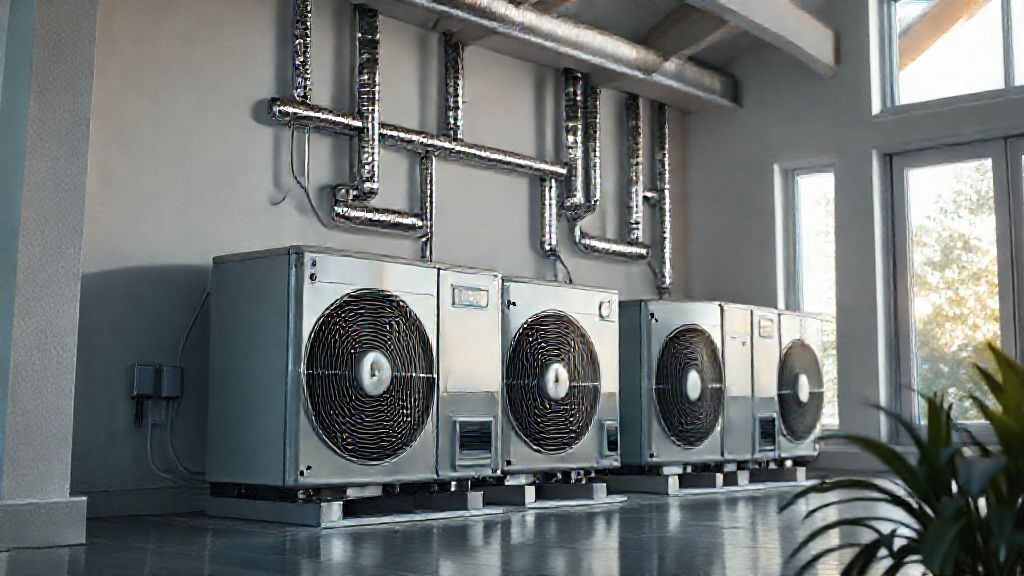
HVAC Business Certifications: A Comprehensive Guide for Contractors
Operating an HVAC business demands more than just technical expertise; it requires a solid understanding of the certifications and licenses needed to legally and effectively serve your clients. Navigating the complex world of HVAC certifications can be overwhelming, but it’s essential for compliance, credibility, and business growth. This guide breaks down the key certifications you need to operate an HVAC business, ensuring you’re well-prepared to succeed in this competitive field. Let’s get started.
Key Highlights:
- EPA Section 608 Certification: Federally mandated for handling refrigerants.
- State and Local Licensing: Varies by location but generally required to operate legally.
- Specialized Certifications: Enhance expertise and attract niche markets.
- Continuing Education: Keeps you updated with industry advancements and code changes.
- Reciprocity Agreements: May allow license transfers between states.
Understanding HVAC Licensing Requirements
The first step in ensuring your HVAC business operates legally is understanding the licensing requirements in your area. These requirements are typically set at the state and local levels, and they can vary significantly. Some states may have a single, statewide licensing board, while others delegate authority to individual counties or cities. To make sure you’re covered, check with the relevant authorities in each location where you plan to operate. Remember to also get your hvac search engine marketing.
Federal Certifications: EPA Section 608
The EPA Section 608 certification is a federal requirement for any technician who handles refrigerants. This certification ensures that technicians understand how to handle refrigerants safely and responsibly, minimizing environmental impact. There are four types of Section 608 certifications: Type I, Type II, Type III, and Universal. Each type covers specific types of equipment and refrigerants. Failing to comply with Section 608 regulations can result in hefty fines and penalties, so it’s crucial to ensure all your technicians are properly certified.
State and Local HVAC Licensing Boards
Each state has its own licensing board that regulates HVAC businesses. These boards set the standards for education, experience, and testing required to obtain a license. For example, in Arkansas, the Arkansas PSC oversees HVAC licensing, ensuring that all contractors meet specific qualifications before operating in the state. These requirements are in place to protect consumers and maintain industry standards. Always check with your local licensing board to get precise instructions. You can get your hvac marketing website working for you here.
Specialized HVAC Certifications
Beyond the basic licensing requirements, specialized certifications can set your HVAC business apart and attract niche markets. These certifications demonstrate expertise in specific areas of HVAC technology, such as:
- North American Technician Excellence (NATE): Validates the knowledge and skills of HVAC technicians.
- HVAC Excellence: Offers certifications in various HVAC disciplines, including air conditioning, heating, and refrigeration.
- Renewable Energy Certifications: Focus on solar thermal, geothermal, and other renewable energy systems.
- Building Automation Systems (BAS) Certifications: Cover the installation, programming, and maintenance of automated building control systems.
Obtaining these certifications shows your commitment to excellence and can increase your earning potential by positioning your business as a leader in specialized HVAC services. This is especially true if you’re selling american standard hvac wholesale distributors.
Benefits of Holding Relevant Certifications
Investing in the necessary certifications offers numerous benefits for your HVAC business. First and foremost, it ensures compliance with federal, state, and local regulations, avoiding costly fines and legal issues. Secondly, certifications enhance your company’s credibility and reputation. Customers are more likely to trust a certified HVAC contractor because it demonstrates a commitment to quality and professionalism. Lastly, certifications can open doors to new business opportunities. Many clients, especially in the commercial sector, require contractors to hold specific certifications before they can bid on projects. What Effective Strategies to Promote Your HVAC Business do you have in place?
How to Obtain Required HVAC Certifications
The process of obtaining HVAC certifications typically involves several steps:
- Education and Training: Complete a formal HVAC training program at a trade school, technical college, or apprenticeship.
- Experience: Accumulate the required amount of hands-on experience in the field. This often involves working as an apprentice under a licensed HVAC contractor.
- Examination: Pass the required certification exams. These exams assess your knowledge of HVAC principles, codes, and best practices.
- Application: Submit an application to the relevant licensing board, providing documentation of your education, experience, and exam scores.
- Background Check: Undergo a background check to ensure you meet the ethical standards required for licensure.
It’s essential to prepare thoroughly for certification exams by studying relevant materials, taking practice tests, and seeking guidance from experienced professionals. You also should be prepared to purchase your direct hvac wholesale equipment.
Maintaining Your HVAC Certifications
Obtaining HVAC certifications is just the first step; maintaining them is equally important. Most certifications require periodic renewal, which may involve completing continuing education courses, paying renewal fees, and demonstrating continued competence in the field. Keeping your certifications up to date ensures that you stay informed about the latest industry trends, code changes, and technological advancements. It also demonstrates your ongoing commitment to professionalism and quality service. If you specialize in goodman hvac wholesale, keep up with their requirements too.
Navigating Reciprocity Agreements Between States
If you plan to operate your HVAC business in multiple states, it’s important to understand reciprocity agreements. Some states have agreements that allow licensed HVAC professionals to work in their state without having to go through the full licensing process. These agreements typically require you to hold a valid license in good standing in another state and meet certain other criteria. Check with the licensing boards in both states to determine if a reciprocity agreement exists and what requirements you must meet to take advantage of it.
The Importance of Continuing Education
The HVAC industry is constantly evolving, with new technologies, techniques, and regulations emerging all the time. Continuing education is essential for staying ahead of the curve and providing the best possible service to your clients. Many certifications require continuing education hours for renewal, but even if it’s not mandatory, it’s a good idea to pursue ongoing training and development. This can include attending industry conferences, taking online courses, participating in workshops, and reading industry publications. By investing in continuing education, you can enhance your skills, expand your knowledge, and position your business as a leader in the HVAC industry.
Final Thoughts
Securing the necessary HVAC certifications is a cornerstone of running a successful and compliant HVAC business. From the federally mandated EPA Section 608 certification to state and local licensing, and specialized credentials, each certification plays a crucial role in validating your expertise and building trust with your customers. By understanding the requirements, investing in education and training, and staying current with industry advancements, you can ensure your HVAC business thrives in a competitive market. You need to get your Effective Strategies to Promote Your HVAC Business in order too.
FAQ Section
What is the most important certification for an HVAC business?
The EPA Section 608 certification is federally mandated for technicians handling refrigerants. State and local licensing, however, are generally required to operate an HVAC business legally. Both are crucial.
How do I find out the specific HVAC licensing requirements for my state?
Contact your state’s HVAC licensing board. Their website will outline all requirements, including exams, experience, and fees.
What are the benefits of holding specialized HVAC certifications?
Specialized certifications demonstrate expertise in specific areas like geothermal, solar, or building automation. They can attract customers, increase earning potential, and improve your company’s reputation.
How often do I need to renew my HVAC certifications?
Renewal periods vary depending on the certification and governing body. Check with the issuing organization for specific requirements, including continuing education hours.
Can I transfer my HVAC license to another state?
Some states have reciprocity agreements allowing licensed HVAC professionals to work in their state without additional testing. Check with the licensing boards of both states to determine eligibility.