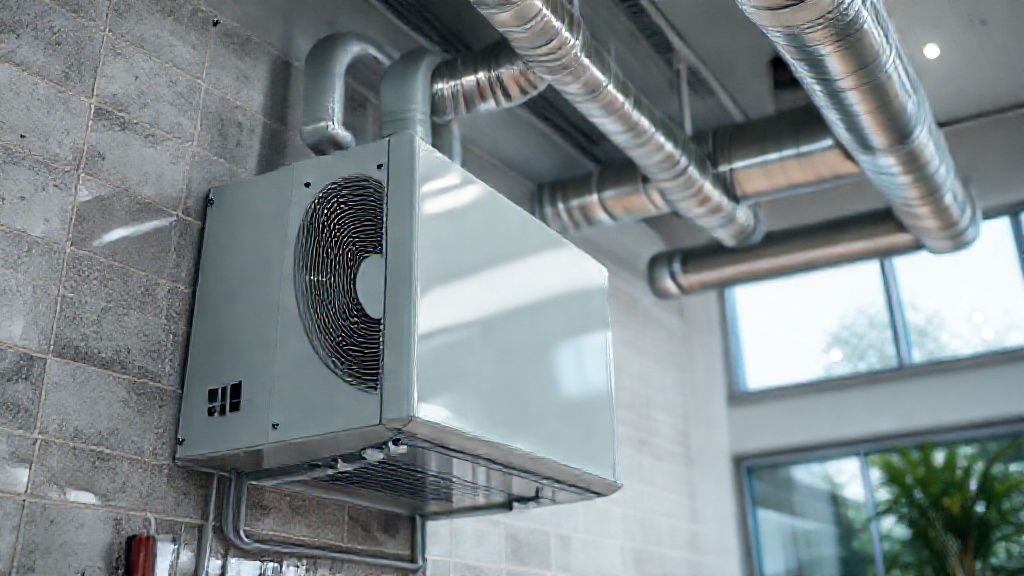
HVAC Market Trends and Analysis for US Contractors
The HVAC market in the United States is dynamic, presenting both opportunities and challenges for contractors. Understanding current trends, regional variations, and the impact of regulations is crucial for making informed business decisions. This analysis provides a comprehensive overview to help you navigate the complexities of the market and position your business for success.
- Market Size and Growth: Understand the current valuation and projected growth of the US HVAC market.
- Key Drivers: Identify the factors fueling market expansion, such as construction activity and energy efficiency demands.
- Regional Hotspots: Discover which areas offer the most promising growth prospects for your business.
- Regulatory Impact: Learn how regulations and energy standards shape the demand for HVAC systems.
- Technological Advancements: Explore the cutting-edge technologies transforming the industry.
Current State of the US HVAC Market
The wholesale hvac warehouse in the United States is a multi-billion dollar industry, experiencing consistent growth driven by a combination of factors. New construction, replacement of aging systems, and increasing demand for energy-efficient solutions all contribute to this expansion. The market is also influenced by economic conditions, climate variations, and evolving consumer preferences.
Currently, the market is characterized by a mix of large national players and smaller regional contractors. Competition is fierce, and contractors must differentiate themselves through superior service, specialized expertise, or innovative offerings. Understanding the competitive landscape is essential for developing effective marketing and business strategies. marketing ideas hvac effectively can help you stay ahead of the game.
Key Market Drivers and Restraints
Several factors drive the growth of the HVAC market. Firstly, increasing construction activity, particularly in residential and commercial sectors, fuels demand for new HVAC installations. Secondly, rising disposable incomes enable homeowners and businesses to invest in উন্নততর systems. Thirdly, growing awareness of energy efficiency and environmental concerns drives demand for high-efficiency units.
However, the market also faces restraints. Fluctuations in raw material prices, such as steel and copper, can impact manufacturing costs and конечного price. Labor shortages, particularly skilled technicians, pose a significant challenge for contractors. Additionally, economic downturns can dampen construction activity and reduce consumer spending on HVAC upgrades. Even still, understanding the market Is Starting an HVAC Business Worth It? Key Considerations for Contractors will help with long term business planning.
Regional Analysis: Growth Hotspots
The US HVAC market exhibits significant regional variations. The Sun Belt states, including Texas, Florida, and Arizona, are experiencing rapid population growth and new construction, creating substantial demand for HVAC systems. These regions benefit from favorable climates and business-friendly environments.
Other growth areas include regions with aging infrastructure requiring upgrades. For example, the Northeast and Midwest have a large stock of older homes and commercial buildings with outdated HVAC systems. These areas offer opportunities for replacement and retrofit projects. Contractors focusing on specific regions can tailor their services to meet local needs and preferences.
Impact of Regulations and Energy Efficiency Standards
Regulations and energy efficiency standards play a crucial role in shaping the HVAC market. The Energy Star program, administered by the EPA, promotes energy-efficient products and practices. Building codes and standards, such as those developed by ASHRAE, set minimum energy performance requirements for HVAC systems.
These regulations drive demand for high-efficiency equipment and influence product development and installation practices. Contractors must stay informed about evolving regulations and ensure their services comply with the latest standards. Compliance not only helps meet regulatory requirements but also enhances competitiveness by offering energy-saving solutions to customers. Southern Company also has tips on how to comply with HVAC-related regulations.
Technological Advancements Shaping the Future
Technological advancements are transforming the HVAC industry. Smart thermostats, connected HVAC systems, and advanced controls enable greater energy efficiency, comfort, and convenience. These technologies allow for remote monitoring, predictive maintenance, and personalized climate control.
Variable Refrigerant Flow (VRF) systems, ductless mini-split systems, and geothermal heat pumps are gaining popularity due to their energy-saving capabilities and flexible installation options. Contractors who embrace these technologies can offer innovative solutions that appeal to environmentally conscious customers and those seeking cost savings. You can find a local wholesale outlet hvac supply that can get you what you need for new installations.
Opportunities for HVAC Contractors
The HVAC market presents numerous opportunities for contractors. Specializing in niche markets, such as high-efficiency systems, indoor air quality solutions, or commercial HVAC services, can differentiate your business and attract a specific customer base. Offering value-added services, such as maintenance contracts, energy audits, or system design, can enhance customer loyalty and generate recurring revenue.
Leveraging technology, such as mobile apps, online scheduling, and CRM systems, can improve efficiency and customer service. Building strong relationships with suppliers, builders, and other industry partners can create valuable referral networks. These strategies can help contractors capitalize on market trends and maximize profitability.
Challenges Facing HVAC Businesses
Despite the opportunities, HVAC businesses face several challenges. Rising material costs can squeeze profit margins and make it difficult to offer competitive pricing. Labor shortages, particularly skilled technicians, can limit growth potential and increase operational costs. Increasing competition from national chains and online retailers puts pressure on smaller contractors.
Adapting to new technologies and regulations requires ongoing investment in training and equipment. Managing cash flow, particularly during seasonal fluctuations, can be a challenge for many contractors. Overcoming these challenges requires careful planning, efficient operations, and a focus on customer satisfaction.
Strategies for Success in a Competitive Market
To succeed in a competitive market, HVAC contractors need to adopt effective strategies. Focus on providing exceptional customer service to build a loyal customer base and generate positive word-of-mouth referrals. Invest in employee training to ensure your technicians have the skills and knowledge to install and maintain the latest HVAC systems.
Develop a strong online presence through a professional website and active social media engagement. Implement effective marketing strategies to reach your target audience and generate leads. Manage your finances carefully, control costs, and maintain healthy profit margins. By implementing these strategies, contractors can build sustainable and profitable businesses. When searching for wholesale outlet hvac, it is important to research and find trusted suppliers.
Future Outlook: 2024 and Beyond
The future of the US HVAC market looks promising. The market is expected to continue growing, driven by increasing construction activity, rising disposable incomes, and stricter energy efficiency standards. Technological advancements will play an increasingly important role, with smart HVAC systems and connected devices becoming more prevalent.
Contractors who adapt to these trends and embrace new technologies will be best positioned for success. Focusing on customer service, investing in employee training, and implementing effective marketing strategies will be crucial for maintaining competitiveness. By staying informed and proactive, HVAC contractors can capitalize on the opportunities that lie ahead and build thriving businesses.
It is important to verify Who Can Own an HVAC Business? Licensing, Requirements, and More for your area before beginning work.
FAQ Section
What is the current size of the US HVAC market?
The US HVAC market is currently valued at $45 billion and is projected to reach $60 billion by 2028 with a CAGR of 5.8%.
What are the key drivers of growth in the HVAC market?
Key drivers include increasing construction activity, rising disposable incomes, growing demand for energy-efficient systems, and stricter regulations promoting energy conservation.
Which regions in the US offer the most growth potential for HVAC contractors?
High-growth regions include the Sun Belt states (e.g., Texas, Florida, Arizona) due to population growth and new construction, as well as areas with aging infrastructure requiring upgrades.
How do regulations and energy efficiency standards impact the HVAC market?
Regulations like the Energy Star program and building codes promoting energy efficiency drive demand for high-efficiency HVAC systems and influence product development and installation practices.
What are some of the major challenges facing HVAC contractors in the US?
Challenges include rising material costs, labor shortages, increasing competition, and the need to adapt to new technologies and regulations.
What strategies can HVAC contractors use to succeed in a competitive market?
Strategies include specializing in niche markets, offering value-added services, leveraging technology for efficiency, building strong customer relationships, and investing in employee training.