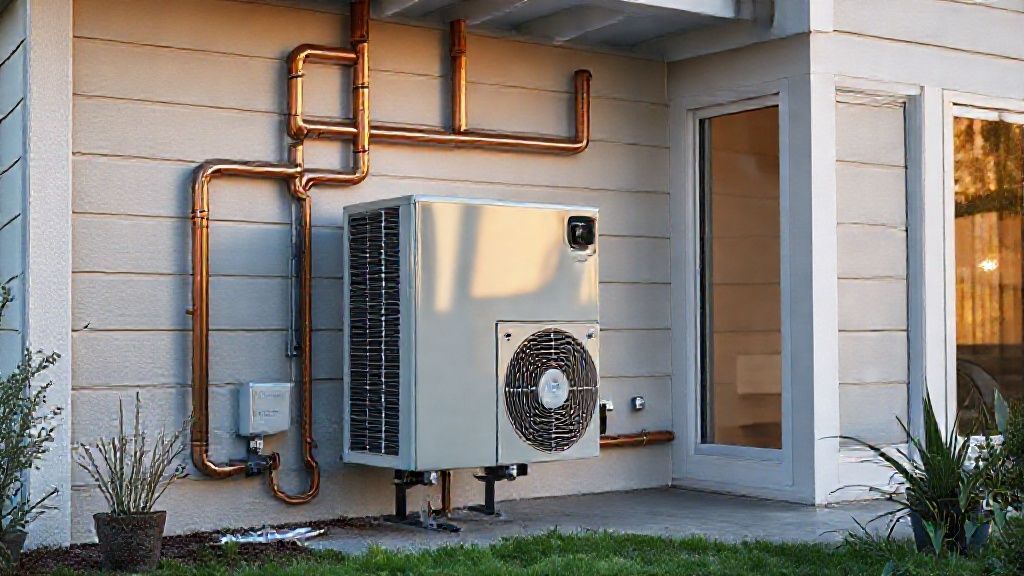
Understanding the US HVAC Market: Trends and Opportunities for Contractors
The Southwestern Power Administration plays a role in regional energy management, much like how understanding the HVAC market is vital for your business. As contractors, we need to stay ahead of the curve to thrive. The us hvac market is constantly evolving, presenting both opportunities and challenges. This article breaks down the current landscape, key trends, growth areas, and potential obstacles you’ll face. My goal is to equip you with actionable insights to optimize your business strategy and make informed decisions. Let’s get started.
- Current Market Size: Understand the scale of the us hvac market and its projected growth.
- Key Trends: Identify the factors driving changes in the industry.
- Growth Opportunities: Discover where you can expand your business.
- Challenges: Prepare for the obstacles you may encounter.
- Regional Variations: Recognize how the market differs across the country.
- Regulations and Incentives: Leverage government programs to your advantage.
- Technological Advancements: Embrace new technologies to improve efficiency.
- Strategies for Success: Implement proven methods to grow your business.
- Future Outlook: Anticipate what’s next for the HVAC industry.
Current State of the US HVAC Market
The us hvac market is a massive industry, essential for maintaining comfort and air quality in homes and businesses nationwide. Currently, the market is robust, driven by a combination of factors, including new construction, replacement of aging systems, and increasing demand for energy-efficient solutions. The hvac online marketing company plays a key role in helping HVAC businesses thrive in this competitive landscape. Economic indicators such as housing starts and consumer spending directly influence the demand for HVAC systems. Increased awareness of indoor air quality and the health benefits of advanced filtration systems further boosts market growth. Staying informed about these dynamics allows you to better anticipate market fluctuations and adapt your business strategies accordingly.
Key Market Trends Shaping the Industry
Several key trends are reshaping the us hvac market. One of the most significant is the growing demand for energy-efficient HVAC systems. Consumers are increasingly conscious of their energy consumption and are seeking solutions that reduce their utility bills and environmental impact. This trend is driving the adoption of high-efficiency heat pumps, variable-speed compressors, and smart thermostats. Another trend is the rise of smart HVAC technologies. IoT-enabled systems allow for remote monitoring, predictive maintenance, and automated adjustments, enhancing both performance and convenience. Additionally, stricter environmental regulations are pushing manufacturers to develop more sustainable refrigerants and reduce the carbon footprint of HVAC equipment. Keeping up with these trends is crucial for staying competitive and meeting the evolving needs of your customers.
Growth Opportunities for HVAC Contractors
The us hvac market presents numerous growth opportunities for HVAC contractors who are willing to adapt and innovate. One significant area is the retrofit market. Millions of homes and businesses still operate with outdated, inefficient HVAC systems, creating a substantial opportunity for replacements and upgrades. Focusing on energy-efficient solutions and highlighting the long-term cost savings can attract customers looking to reduce their energy bills. Another promising area is the expansion of services related to indoor air quality. With increasing concerns about allergens, pollutants, and viruses, offering services such as air duct cleaning, filtration system upgrades, and UV light installations can tap into a growing market segment. Furthermore, specializing in smart HVAC technologies and offering installation, maintenance, and support services can position you as a leader in this emerging field. Make sure your business is listed when customers search wholesale hvac distributors near me.
Challenges and Obstacles in the US HVAC Market
While the us hvac market offers plenty of opportunities, it also presents several challenges. One of the most pressing is the skilled labor shortage. Finding and retaining qualified technicians is becoming increasingly difficult, impacting your ability to meet customer demand and expand your business. Rising equipment costs are another significant challenge. Fluctuations in raw material prices, tariffs, and supply chain disruptions can increase the cost of HVAC systems, making it more difficult to offer competitive pricing. Intense competition from other contractors and larger national chains also puts pressure on profit margins. Additionally, keeping up with rapidly changing technologies and regulations requires continuous training and investment. Addressing these challenges requires proactive strategies, such as investing in employee training, optimizing supply chain management, and differentiating your business through superior service and expertise. Make sure you have read Do You Need a License to Buy an HVAC Business? A Contractor’s Guide.
Regional Market Variations
The us hvac market varies significantly across different regions, influenced by climate, demographics, and economic conditions. In the Sun Belt states, such as Florida, Texas, and Arizona, the demand for air conditioning systems is consistently high due to the hot and humid climate. In the Northeast and Midwest, heating systems are more critical, especially during the winter months. Coastal regions face unique challenges, such as corrosion from salt air, requiring specialized equipment and maintenance practices. Urban areas often have stricter building codes and energy efficiency standards compared to rural areas. Understanding these regional differences allows you to tailor your service offerings, marketing strategies, and inventory management to meet the specific needs of your local market. Also, consider that finding a wholesale hvac distributor might be easier in one region than another.
Impact of Regulations and Incentives
Regulations and incentives play a significant role in shaping the us hvac market. Government regulations, such as energy efficiency standards and refrigerant phase-outs, drive the adoption of more environmentally friendly HVAC systems. Incentives, such as tax credits, rebates, and grants, encourage homeowners and businesses to invest in energy-efficient upgrades. The federal government, as well as state and local authorities, offer various programs to promote energy conservation and reduce greenhouse gas emissions. Staying informed about these regulations and incentives allows you to advise your customers on how to take advantage of available programs, increasing the appeal of your services and driving sales. Additionally, compliance with regulations ensures that your business operates legally and ethically, enhancing your reputation and building trust with your customers.
Technological Advancements and Their Influence
Technological advancements are transforming the us hvac market, creating new opportunities for efficiency, cost savings, and customer satisfaction. Smart thermostats, for example, allow homeowners to remotely control their HVAC systems, optimize energy usage, and receive alerts about potential problems. IoT-enabled systems provide real-time data on system performance, enabling predictive maintenance and reducing downtime. Variable-speed compressors and high-efficiency heat pumps offer significant energy savings compared to traditional systems. Additionally, advancements in air filtration technology are improving indoor air quality and reducing the spread of airborne illnesses. Embracing these technologies requires investing in training and equipment, but it can differentiate your business, attract tech-savvy customers, and improve your overall service offerings. You may also be looking for wholesale hvac ductwork and other modern components.
Strategies for Success in the US HVAC Market
To succeed in the competitive us hvac market, you need to implement effective business strategies. First and foremost, focus on providing exceptional customer service. Building a reputation for reliability, professionalism, and responsiveness can generate positive word-of-mouth and repeat business. Invest in training your technicians to ensure they have the skills and knowledge to handle the latest technologies and equipment. Develop a strong online presence through a professional website, social media marketing, and online advertising. How to Market Your HVAC Business Online: A Comprehensive Guide will help you understand online marketing better. Offer competitive pricing while maintaining profitability by optimizing your supply chain and controlling costs. Finally, stay informed about industry trends, regulations, and technological advancements to adapt your business and remain competitive.
Future Outlook for the US HVAC Industry
The future outlook for the us hvac market is positive, driven by continued demand for energy-efficient systems, increasing adoption of smart technologies, and stricter environmental regulations. The market is expected to grow steadily in the coming years, presenting opportunities for HVAC contractors who are willing to innovate and adapt. The rise of sustainable building practices and the increasing focus on indoor air quality will further fuel market growth. However, challenges such as the skilled labor shortage and rising equipment costs will continue to pose obstacles. To thrive in the future, HVAC contractors need to invest in training, embrace new technologies, and focus on providing exceptional customer service. By staying ahead of the curve and adapting to changing market conditions, you can position your business for long-term success.
FAQ Section
What is the current size of the US HVAC market?
The US HVAC market is estimated to be $35 billion and is projected to grow to $45 billion by 2028.
What are the key trends driving growth in the US HVAC market?
Key trends include the increasing demand for energy-efficient systems, the growing adoption of smart HVAC technologies, and stricter environmental regulations.
What are the biggest challenges facing HVAC contractors in the US?
Challenges include rising equipment costs, workforce shortages, intense competition, and adapting to new technologies and regulations.
What role do government incentives play in the US HVAC market?
Government incentives, such as rebates and tax credits, encourage homeowners and businesses to invest in energy-efficient HVAC systems, thereby driving market demand.
How is technology impacting the US HVAC industry?
Technological advancements, such as smart thermostats, IoT-enabled systems, and predictive maintenance tools, are improving efficiency, reducing costs, and enhancing customer service.