How Much Does It Cost to Start an HVAC Business? A Comprehensive Guide
So, you want to start an HVAC business? Good for you. It’s a solid trade with constant demand. But before you jump in, you need a clear picture of the financial landscape. Knowing the costs upfront is crucial for setting your business up for success and avoiding unpleasant surprises down the road.
Starting any business, including an HVAC company, requires careful planning and a solid understanding of the expenses involved. This guide breaks down the various costs you’ll encounter, from initial investments to ongoing operational expenses.
Key Highlights:
- Licensing and Permits: Understand the costs associated with obtaining the necessary credentials to operate legally.
- Equipment Costs: Factor in the price of essential tools, testing equipment, and installation materials.
- Insurance: Protect your business with the right coverage, including liability and workers’ compensation.
- Marketing: Allocate resources for advertising and reaching your target customers. hvac marketing campaign can be a complex and often expensive part of starting a business.
- Vehicle and Transportation: Consider the costs of a reliable vehicle and its maintenance.
Initial Investment: Licensing and Permits
First things first, you can’t just start installing AC units without the proper licenses and permits. Regulations vary significantly by state and locality, so this is where your research needs to be laser-focused. For example, the Kentucky PSC has specific regulations for HVAC contractors operating in Kentucky. Neglecting this step can lead to hefty fines or even shutting down your operation before it begins.
Expect to pay for application fees, exams, and the licenses themselves. Some areas require continuing education to maintain your license, adding to the ongoing costs. The price range can vary quite a bit; some licenses might cost a few hundred dollars, while others can run into the thousands. Factor this into your initial financial planning. hvac installation new market is heavily dependent on proper licensure.
Essential Equipment Costs for HVAC Startups
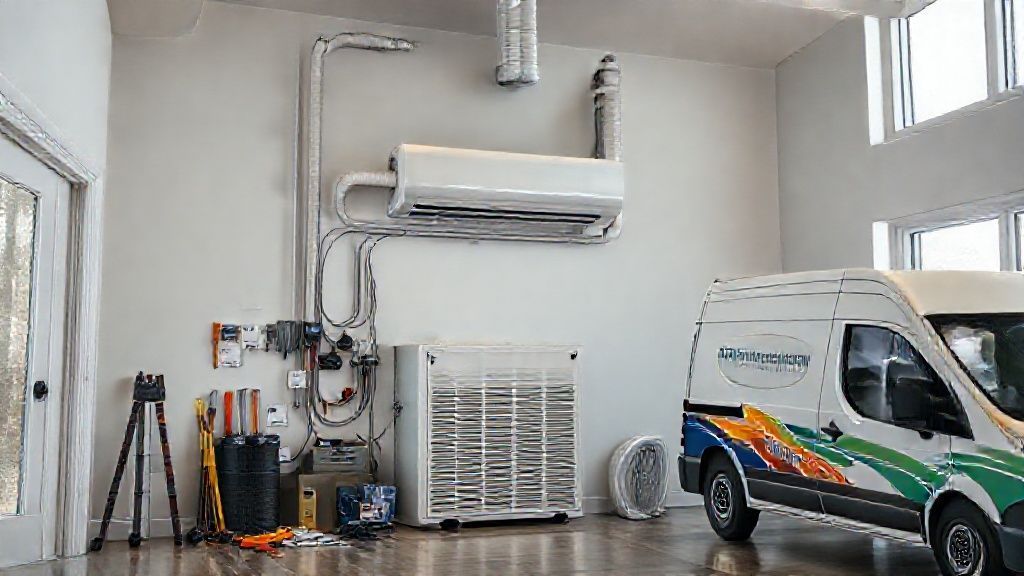
Now, let’s talk tools. You can’t fix an AC unit with a wrench and a prayer. You’ll need a comprehensive set of tools and equipment, including:
- Refrigerant recovery machines
- Vacuum pumps
- Manifold gauge sets
- Leak detectors
- Electrical testing equipment
- Hand tools (wrenches, screwdrivers, pliers, etc.)
The cost of these items can quickly add up. You have two main options: buy new or buy used. New equipment guarantees reliability but comes with a higher price tag. Used equipment can save you money upfront, but you risk breakdowns and repairs. If you go the used route, inspect everything carefully and consider having a trusted mechanic check it out. hvac wholesale to the public is a possibility you will need to consider, even though you are a contractor.
Insurance Coverage: Protecting Your HVAC Business
Insurance is not optional; it’s a necessity. Lawsuits and accidents can bankrupt your business if you’re not properly covered. Here are the key types of insurance you’ll need:
- General Liability Insurance: Covers damages or injuries to third parties.
- Workers’ Compensation Insurance: Required if you have employees; covers medical expenses and lost wages for work-related injuries.
- Commercial Auto Insurance: Covers your work vehicle in case of accidents.
- Professional Liability Insurance (Errors and Omissions): Protects you if you make a mistake that causes financial harm to a client.
Shop around for the best rates and coverage options. Don’t skimp on insurance to save a few bucks; it’s a critical investment in protecting your business. The premiums will depend on factors like your location, the number of employees, and the coverage limits you choose.
Marketing and Advertising Expenses for New HVAC Businesses
You can be the best HVAC tech in town, but if nobody knows you exist, you won’t get any business. Marketing is essential for attracting customers. Here are some strategies to consider:
- Website: A professional website is your online storefront.
- Search Engine Optimization (SEO): Helps your website rank higher in search results.
- Google Ads: Pay-per-click advertising to reach customers searching for HVAC services.
- Social Media Marketing: Engage with potential customers on platforms like Facebook and Instagram.
- Print Advertising: Flyers, brochures, and local newspaper ads.
- Local Partnerships: Collaborate with real estate agents, contractors, and property managers.
Your marketing budget will depend on your goals and the strategies you choose. Start with a basic website and some online advertising and gradually expand your efforts as your business grows. Remember to track your results to see what’s working and what’s not.
Vehicle and Transportation Costs for HVAC Contractors
A reliable vehicle is a must-have for any HVAC business. You’ll need a truck or van to transport your tools, equipment, and materials to job sites. Consider these costs:
- Purchase or Lease: Buying a vehicle requires a significant upfront investment, while leasing offers lower monthly payments but no ownership.
- Fuel: Factor in the cost of gas, which can fluctuate significantly.
- Maintenance and Repairs: Regular maintenance is essential to keep your vehicle running smoothly.
- Insurance: Commercial auto insurance is a must.
Choose a vehicle that’s reliable, fuel-efficient, and has enough space for your equipment. Consider a used vehicle to save money upfront, but be prepared for potential repairs. You might even consider looking at hvac wholesale warehouse for purchasing in bulk if you have a large operation.
Office and Administration Setup Costs
Even if you’re starting small, you’ll need a dedicated space for administrative tasks. This could be a home office or a small rented office space. Consider these costs:
- Rent or Mortgage: If you’re renting office space, factor in monthly rent payments.
- Utilities: Electricity, water, internet, and phone.
- Office Furniture: Desk, chair, filing cabinets, etc.
- Computer and Software: Computer, printer, accounting software, and CRM software.
Start with a basic setup and gradually expand as your business grows. Consider using cloud-based software to reduce upfront costs and improve efficiency.
Ongoing Operational Expenses to Consider
Startup costs are just the beginning. You’ll also need to factor in ongoing operational expenses, such as:
- Salaries and Wages: If you have employees, you’ll need to pay salaries or wages.
- Payroll Taxes: Social Security, Medicare, and unemployment taxes.
- Marketing and Advertising: Ongoing expenses to attract new customers.
- Equipment Maintenance and Repairs: Regular maintenance and repairs to keep your equipment running smoothly.
- Supplies and Materials: Refrigerant, wiring, and other materials needed for HVAC installations and repairs.
Create a budget that includes all of these expenses to ensure you have enough cash flow to keep your business running. Keep an eye on your expenses and look for ways to reduce costs without sacrificing quality.
Financing Options for Starting an HVAC Business
If you don’t have enough cash on hand to cover all of your startup costs, you’ll need to explore financing options. Here are some possibilities:
- Small Business Loans: Banks and credit unions offer loans to small businesses.
- Lines of Credit: Provides access to a revolving line of credit that you can use as needed.
- Equipment Financing:专门用于购买设备的贷款。
- SBA Loans: Loans guaranteed by the Small Business Administration.
- Personal Savings: Using your own savings can reduce the amount you need to borrow.
Shop around for the best interest rates and loan terms. Be prepared to provide a detailed business plan and financial projections to potential lenders. How to Expand Your HVAC Business: Proven Strategies for Growth can provide a framework for that business plan.
Reducing Startup Costs: Tips for Budget-Conscious HVAC Entrepreneurs
Starting an HVAC business can be expensive, but there are ways to reduce your startup costs:
- Buy Used Equipment: Carefully inspect used equipment before purchasing.
- Lease Equipment: Leasing allows you to spread out the cost of equipment over time.
- Start Small: Begin with a smaller office space and gradually expand as your business grows.
- DIY Marketing: Utilize free or low-cost marketing strategies, such as social media and local networking.
- Bootstrap Your Operations: Keep your expenses as low as possible in the early stages.
- Barter Services: Trade your HVAC services for other services you need.
Be creative and resourceful to find ways to save money without compromising the quality of your work.
Projected Revenue and Profitability for a New HVAC Business
Finally, let’s talk about revenue and profitability. To determine if your business is viable, you need to estimate your potential revenue and expenses. Consider these factors:
- Market Demand: Research the demand for HVAC services in your area.
- Pricing: Determine your pricing strategy based on your costs and the competition.
- Customer Acquisition Cost: Estimate how much it will cost to acquire each customer.
- Operating Expenses: Factor in all of your ongoing expenses.
Create a financial projection that estimates your revenue, expenses, and profits for the first few years of your business. This will help you determine if your business is financially viable and attract investors or lenders.
Utilizing hvac wholesaler software might be a consideration for the logistical side of your business.
Final Thoughts
Starting an HVAC business requires careful planning and a solid understanding of the costs involved. By breaking down the expenses into manageable categories and exploring ways to reduce costs, you can set your business up for success. Remember to focus on providing excellent service and building a strong reputation in your community.
FAQ
What are the main costs involved in starting an HVAC business?
The main costs typically include licensing and permits, essential equipment, insurance, marketing and advertising, a vehicle, office setup, and ongoing operational expenses.
How much can I expect to spend on licensing and permits?
Licensing and permit costs vary widely depending on your location and the specific requirements. Research your local and state regulations to get an accurate estimate. These costs can range from a few hundred to several thousand dollars.
What kind of insurance is necessary for an HVAC business?
Essential insurance coverage includes general liability, workers’ compensation (if you have employees), and commercial auto insurance. You may also consider professional liability insurance. The cost will depend on the size of your business and the level of coverage you need.
How much should I budget for marketing and advertising?
Your marketing budget will depend on your strategy. Consider online advertising (Google Ads, social media), website development, print materials, and local marketing initiatives. Aim to allocate a percentage of your projected revenue to marketing, typically between 5% and 10% in the initial stages.
What are some ways to reduce startup costs for an HVAC business?
You can reduce costs by purchasing used equipment (carefully inspected), starting with a smaller office space, utilizing free or low-cost marketing strategies, and bootstrapping your operations as much as possible. Consider leasing equipment initially instead of buying.