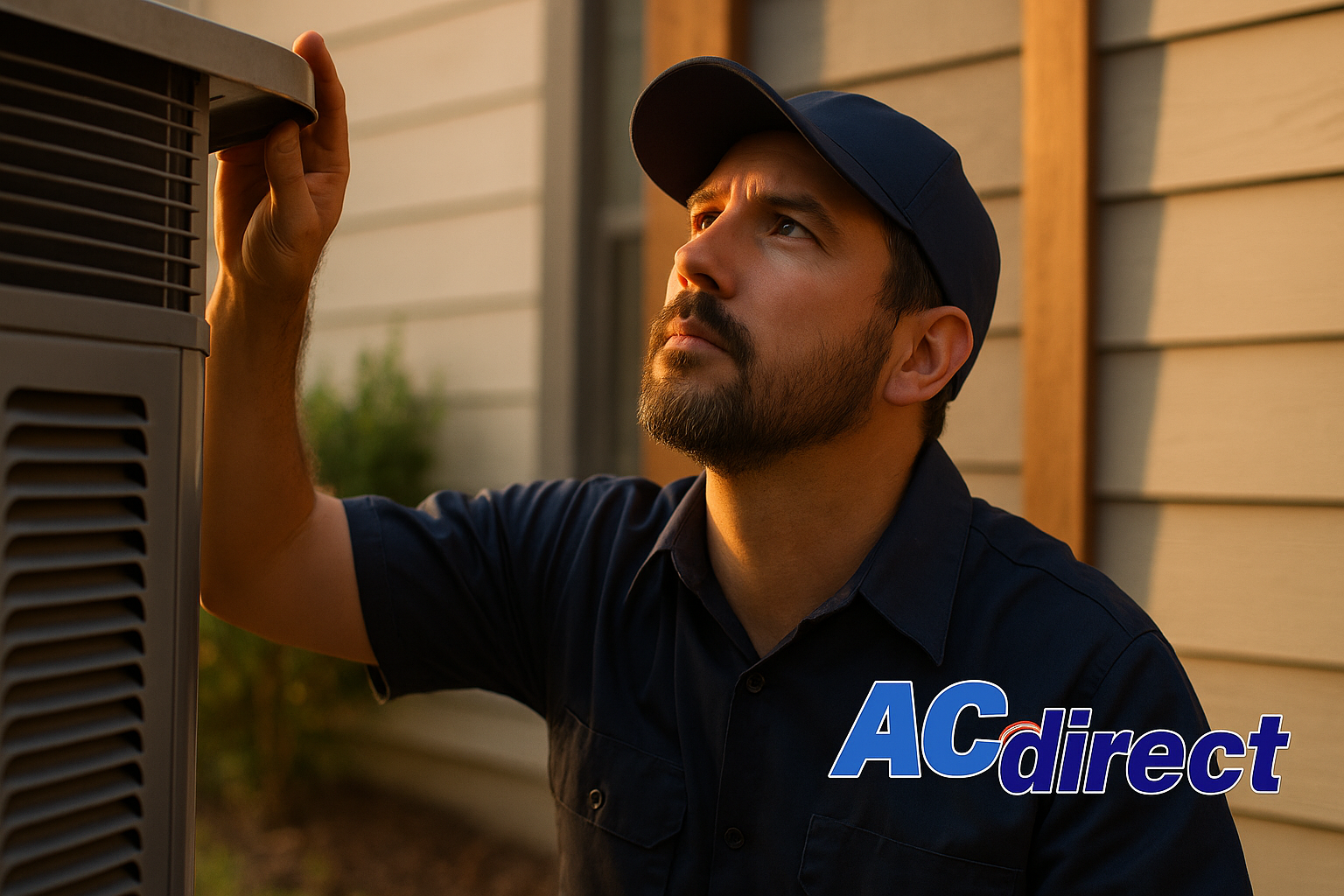
HVAC Web Marketing Strategies for Contractors | AC Direct VIP
Listen, in today’s market, relying solely on word-of-mouth or outdated directory listings isn’t just inefficient—it’s a liability. Your HVAC business, no matter how skilled your technicians or how competitive your pricing for hvac equipment wholesale, needs a robust online presence. The simple truth is, when a homeowner’s AC quits in July or their furnace dies in January, their first move isn’t to flip through the phone book; it’s to grab their smartphone and search. If you’re not showing up, you’re losing business to your competitors who are. It’s that straightforward.
At AC Direct VIP, we understand the HVAC industry inside and out. We know the seasonal rushes, the emergency calls, and the importance of a reliable reputation. Our approach to web marketing isn’t about fancy jargon or fleeting trends; it’s about delivering tangible results that put more calls on your dispatch board and more money in your pocket. We focus on strategies that are proven to work for HVAC contractors, helping you stand out in a crowded digital landscape and capture the leads you need to grow.
This isn’t about just having a website; it’s about having a digital ecosystem that actively attracts, engages, and converts potential customers. From ensuring your business appears at the top of local search results to crafting compelling ad campaigns that target homeowners in distress, we cover every angle. If you’re serious about scaling your HVAC operation, understanding and implementing these web marketing strategies isn’t optional—it’s essential.
Key Highlights of Effective HVAC Web Marketing
- Dominate Local Search: Ensure your business is the first one customers see when they need HVAC services in their area.
- Generate Qualified Leads: Attract homeowners actively searching for your services, not just random browsers.
- Build a Strong Online Reputation: Leverage reviews and social proof to establish trust and credibility.
- Maximize Your Marketing Budget: Get a clear return on investment (ROI) by targeting the right audience with the right message.
- Stay Ahead of the Competition: Implement cutting-edge strategies that keep your business at the forefront of the industry.
- Future-Proof Your Business: Adapt to evolving digital trends to maintain long-term growth and stability.
The Importance of Web Marketing for HVAC Businesses
Let’s cut to the chase. The internet has fundamentally changed how people find services, especially emergency or necessity-based services like HVAC repair and installation. Gone are the days when a big ad in the Yellow Pages guaranteed visibility. Today, nearly 90% of consumers use online search to find local businesses. If your HVAC company isn’t easily discoverable online, you’re essentially invisible to a vast majority of potential customers. This isn’t just about convenience; it’s about survival and growth in a highly competitive market.
Think about the typical customer journey. Their AC breaks down. What do they do? They pull out their phone and type “AC repair near me” or “HVAC installation [your city]”. If your website, Google My Business listing, or local directory presence doesn’t show up prominently in those search results, they’re going to call the company that does. It’s a simple, undeniable fact. Neglecting your online presence means handing business directly to your competitors.
Furthermore, web marketing allows for a level of precision and measurability that traditional methods simply cannot match. You can target specific demographics, geographic areas, and even behavioral patterns with remarkable accuracy. You can track exactly how many leads each campaign generates, what your cost per lead is, and ultimately, your return on investment. This data-driven approach means you can optimize your marketing spend, ensuring every dollar works as hard as your technicians do.
Beyond lead generation, web marketing builds brand authority and trust. A professional, informative website, coupled with positive online reviews and an active social media presence, tells potential customers that you’re a reputable, reliable company. In an industry where trust is paramount, this online credibility can be the deciding factor between a customer choosing you or someone else. It’s not just about getting found; it’s about being chosen.
Essential SEO Strategies for HVAC Contractors
Search Engine Optimization (SEO) is not a magic bullet; it’s a marathon. But it’s a marathon you absolutely must run if you want sustainable, cost-effective lead generation. For HVAC contractors, SEO means ensuring your business ranks high on Google and other search engines when people in your service area are looking for HVAC services. This isn’t just about ranking for “HVAC”; it’s about ranking for highly specific, high-intent searches.
1. Local SEO Optimization: This is non-negotiable. Most HVAC searches are geographically specific.
- Google My Business (GMB): Claim, verify, and fully optimize your GMB profile. Include accurate business hours, services offered, photos, and a clear description. Encourage customer reviews and respond to every one. This is your digital storefront on Google Maps and local search results.
- NAP Consistency: Ensure your Name, Address, and Phone number (NAP) are identical across all online directories, your website, and social media. Inconsistencies confuse search engines and can hurt your rankings.
- Local Citations: Get listed in relevant local directories like Yelp, HomeAdvisor, Angi, and others. The more consistent listings you have, the stronger your local SEO signal.
2. Keyword Research: Don’t guess what people are searching for. Use tools to find out.
- Service-Specific Keywords: Think “furnace repair [city],” “AC installation [city/county],” “duct cleaning service near me.” Focus on long-tail keywords (3+ words) which often indicate higher purchase intent.
- Problem/Solution Keywords: “Why is my AC making noise?”, “Furnace not blowing hot air.” These capture people at the research stage, allowing you to educate them and establish authority.
3. On-Page SEO: This is about optimizing the content and structure of your website.
- Title Tags & Meta Descriptions: Craft compelling, keyword-rich titles and descriptions for each page. These appear in search results and entice users to click.
- Header Tags (H1, H2, H3): Structure your content with clear headings. Use your target keywords in these headings to signal relevance to search engines.
- High-Quality Content: Each service page should be detailed and informative, explaining the service, benefits, and why customers should choose you. Ensure your content addresses common customer questions and concerns.
- Image Optimization: Use descriptive alt tags for all images. This helps search engines understand your images and improves accessibility.
4. Off-Page SEO: Actions taken outside your website to improve its ranking.
- Backlinks: Earn links from other reputable websites in your industry or local community. These act as “votes of confidence” for your site. Consider partnerships with local real estate agents or home builders.
- Online Reviews: As mentioned, reviews are critical. They influence both search engine rankings and consumer trust.
5. Technical SEO: The backend stuff that ensures search engines can crawl and index your site effectively.
- Mobile-Friendliness: Your website MUST be responsive and look great on all devices. Google prioritizes mobile-first indexing.
- Site Speed: Slow websites frustrate users and are penalized by search engines. Optimize images, leverage browser caching, and consider a faster hosting provider.
- Secure Website (HTTPS): Ensure your site uses HTTPS. It’s a basic security measure and a ranking factor.
Mastering these SEO fundamentals is how you consistently show up when people are looking for hvac installation new market or any other critical HVAC service in your operational zones.
Effective Pay-Per-Click (PPC) Campaigns for HVAC
While SEO builds long-term organic visibility, Pay-Per-Click (PPC) advertising provides immediate, targeted exposure. When someone needs emergency HVAC service, they’re not going to scroll through pages of organic results; they’re going to click on the first few relevant ads they see. PPC allows you to jump to the front of the line, ensuring your business is visible precisely when potential customers are actively searching with high commercial intent.
1. Strategic Keyword Bidding:
- High-Intent Keywords: Focus on keywords that indicate immediate need, such as “AC repair,” “furnace replacement cost,” “emergency HVAC service [city].” These keywords typically have higher competition but deliver highly qualified leads.
- Negative Keywords: Just as important as positive keywords. Add terms like “free,” “DIY,” or “jobs” to prevent your ads from showing for irrelevant searches, saving you money.
2. Compelling Ad Copy: Your ad copy needs to stand out and clearly communicate your value proposition.
- Call to Action (CTA): Include strong CTAs like “Call Now for 24/7 Service,” “Get a Free Estimate,” or “Schedule Online.”
- Unique Selling Proposition (USP): Highlight what makes your business better. Do you offer 24/7 service? Same-day repairs? Guaranteed satisfaction? Financing options? Mention it.
- Geographic Specificity: Include your service area in the ad copy to immediately signal relevance to local searchers.
3. Optimized Landing Pages: This is where many HVAC contractors drop the ball. A great ad is wasted if it leads to a generic homepage.
- Relevance: Your landing page must be highly relevant to the ad the user clicked. If the ad is for “AC repair,” the landing page should be specifically about AC repair, not general HVAC services.
- Clear CTA: The landing page needs a prominent, easy-to-find call to action—a phone number to call, a form to fill out.
- Mobile-Friendly: Crucial. Most PPC clicks come from mobile devices. Your landing page must load quickly and be easy to navigate on a smartphone.
4. Geo-Targeting and Ad Scheduling:
- Target Specific Areas: Only show your ads to potential customers within your service area. This prevents wasted ad spend.
- Schedule Ads: If you only offer 24/7 emergency service, you might run ads around the clock. If your main goal is scheduled maintenance, you might focus on business hours.
5. Remarketing Campaigns:
- Re-engage Prospects: Target users who visited your website but didn’t convert. Show them tailored ads to bring them back and encourage them to complete the action. This is incredibly cost-effective because they already know your brand.
PPC, when managed correctly, is a powerful engine for immediate lead generation. It allows you to control your visibility and directly influence your call volume, providing a crucial complement to your long-term SEO efforts. For businesses looking for quality hvac units wholesale or national wholesale supply hvac, advertising can quickly connect them with contractors needing their services.
Social Media Marketing for HVAC Success
Social media for an HVAC company? You might be skeptical. “Do people really look for a furnace repairman on Facebook?” The answer is nuanced, but yes, they do. Social media isn’t primarily about direct lead generation for HVAC in the way PPC or SEO is, but it’s invaluable for building brand awareness, demonstrating expertise, fostering community trust, and managing your online reputation. It’s where you engage with your customers outside of an emergency, building relationships that lead to referrals and repeat business.
1. Choosing the Right Platforms:
- Facebook: Still the dominant platform for reaching homeowners. Use it for local community engagement, sharing tips, running contests, and promoting special offers.
- Instagram: Visual platform for sharing behind-the-scenes glimpses, photos of completed installations, team member spotlights, and quick video tips.
- LinkedIn: Useful for B2B relationships (e.g., with property managers, contractors) and recruiting talent. Less about direct customer engagement.
- Nextdoor: Absolutely critical for local HVAC businesses. It’s where neighbors ask for recommendations, making it a goldmine for referrals.
2. Content Strategy: Don’t just post for the sake of posting. Provide value.
- Educational Content: Share seasonal maintenance tips, explain energy efficiency benefits (perhaps linking to resources like the Iowa Economic Development Energy website for broad energy insights), common HVAC problems and solutions, or how to prolong the life of your system.
- Promotional Content: Announce special offers, seasonal tune-up deals, or financing options. Don’t let this dominate your feed; aim for an 80/20 rule (80% value, 20% promo).
- Behind-the-Scenes: Introduce your team, show a day in the life of a technician, or highlight your company culture. This builds trust and humanizes your brand.
- Customer Spotlights/Testimonials: Share positive reviews or feature happy customers (with their permission). Social proof is powerful.
- Community Engagement: Share local news, participate in local events, or sponsor a local sports team. Show you’re an active part of the community.
3. Paid Social Advertising:
- Highly Targeted Ads: Facebook and Instagram allow incredibly precise targeting based on demographics, interests, and even income levels. Use this to promote seasonal offers, financing, or specific services to the most relevant homeowners in your service area.
- Lead Generation Ads: Use Facebook’s lead ad forms to capture customer information directly within the platform, making it easy for interested prospects to connect.
4. Reputation Management:
- Monitor Mentions: Track what people are saying about your brand online.
- Respond Promptly: Address comments, questions, and especially complaints quickly and professionally. A public response to a negative comment shows you care and are committed to customer satisfaction.
Social media isn’t a silver bullet, but it’s a vital tool for building a reputable, recognizable brand that resonates with your local community. It complements your other digital marketing efforts by fostering loyalty and driving referrals.
Website Design & User Experience (UX) for HVAC Companies
Your website isn’t just an online brochure; it’s your most important digital asset. It’s your 24/7 salesperson, customer service representative, and lead generator all rolled into one. A poorly designed website, regardless of how much you spend on ptac & hvac wholesale supplies for your inventory, will actively drive customers away. Conversely, a well-designed site with excellent User Experience (UX) instills confidence, answers questions, and funnels visitors towards conversion.
1. Mobile-First Responsiveness:
- Essential for HVAC: As discussed, most emergency searches happen on mobile. Your site must adapt flawlessly to any screen size, load quickly, and be easy to navigate with a thumb. Anything less is unacceptable.
2. Clear Calls to Action (CTAs):
- Prominent & Persistent: Your phone number should be highly visible, preferably clickable, on every page. Use clear buttons for “Schedule Service,” “Get a Free Quote,” or “Request Emergency Service.”
- Above the Fold: Place your primary CTAs where users can see them without scrolling.
3. Intuitive Navigation:
- Simple & Logical: Users should be able to find what they’re looking for (e.g., “AC Repair,” “Furnace Installation,” “Maintenance Plans”) within a few clicks. Avoid overly complex menus.
- Dedicated Service Pages: Each core service you offer should have its own dedicated page with detailed information. This not only helps users but also boosts your SEO.
4. Fast Loading Speeds:
- Patience is Thin: Users expect websites to load almost instantly. Even a few seconds of delay can lead to high bounce rates. Optimize images, use efficient code, and ensure quality hosting.
5. Professional and Trustworthy Design:
- Clean & Modern Aesthetic: A cluttered, outdated website screams “unreliable.” Invest in a clean, professional design that reflects the quality of your services.
- High-Quality Images/Video: Use professional photos of your team, trucks, and actual work. Avoid generic stock photos. Consider a short, professional video introduction.
- Trust Signals: Prominently display certifications, licenses, awards, customer testimonials, and association memberships (e.g., ACCA, NATE).
6. Easy-to-Use Contact Forms:
- Minimal Fields: Only ask for essential information (Name, Email, Phone, Message). Too many fields can deter users.
- Confirmation & Follow-Up: Provide an immediate confirmation message and ensure your team follows up on form submissions promptly.
Your website is often the first impression a potential customer has of your business. Make it count. A well-designed, user-friendly site converts browsers into buyers and strengthens your overall brand perception.
Content Marketing Ideas for HVAC Lead Generation
Content marketing isn’t just for software companies or lifestyle bloggers. For HVAC contractors, it’s a powerful tool for attracting new leads, establishing authority, and nurturing customer relationships. By providing valuable information, you position your business as a trusted expert, not just another service provider. This approach supports your SEO efforts and gives you plenty of material for social media and email campaigns.
1. Blog Posts & Articles: This is the backbone of most content strategies.
- Seasonal Maintenance Guides: “Spring AC Tune-Up Checklist,” “Winter Furnace Preparation,” “Fall HVAC Maintenance Tips.”
- Problem/Solution Articles: “Why is My AC Blowing Warm Air?”, “Common Furnace Noises and What They Mean,” “How to Fix a Leaking AC Unit.”
- Energy Efficiency Tips: “Top 5 Ways to Lower Your Energy Bill,” “Understanding SEER Ratings and What They Mean for Your Home.”
- HVAC System Explanations: “What is a Heat Pump and How Does It Work?”, “The Pros and Cons of Ductless Mini-Splits.”
- Local Focus: “Best HVAC Systems for [Your City]’s Climate,” “Understanding Local Energy Rebates for HVAC Upgrades.”
2. Video Content: Highly engaging and great for demonstrating expertise.
- How-To Guides: “How to Change Your HVAC Filter,” “Thermostat Troubleshooting.”
- Meet the Team: Short videos introducing your technicians or office staff.
- Customer Testimonials: Video interviews with happy customers.
- Service Explanations: A quick visual walkthrough of what happens during an AC tune-up or furnace installation.
3. Infographics: Visually appealing and easily shareable.
- “Lifecycle of an HVAC System,” “Benefits of Regular Maintenance,” “Signs You Need a New Furnace.”
4. Lead Magnets (Downloadable Guides/E-books): Offer valuable content in exchange for an email address.
- “The Homeowner’s Guide to Energy-Efficient HVAC,” “Ultimate Guide to Indoor Air Quality,” “What to Expect During Your HVAC Installation.” These are excellent for building your email list, which can then be used for targeted campaigns by hvac email marketing specialists.
5. Case Studies: Highlight successful projects.
- “How We Helped [Client Name] Save 30% on Their Energy Bills with a New HVAC System.” Detail the problem, your solution, and the measurable results.
Consistent, high-quality content not only attracts organic traffic but also educates your audience, establishes your credibility, and helps convert interested visitors into paying customers. It’s a long-term play that pays dividends across all your digital marketing channels.
Measuring ROI in HVAC Web Marketing
Without clear metrics, your web marketing efforts are just shots in the dark. At AC Direct VIP, we believe in transparency and accountability. You need to know exactly what return you’re getting on your investment. Measuring ROI (Return on Investment) for your HVAC web marketing isn’t just about tracking clicks; it’s about connecting those clicks to actual customer calls, scheduled appointments, and completed jobs. This data empowers you to make informed decisions, optimize campaigns, and scale what works.
1. Key Metrics to Track:
- Website Traffic: How many visitors are coming to your site? Where are they coming from (organic search, PPC, social, direct)?
- Lead Volume: How many calls are you receiving? How many contact forms are being submitted?
- Conversion Rate: What percentage of your website visitors are becoming leads? What percentage of those leads are turning into paying customers?
- Cost Per Lead (CPL): How much does it cost you to acquire a single lead from each marketing channel (PPC, SEO, social)? This is crucial for budget allocation.
- Customer Acquisition Cost (CAC): The total cost to acquire a new customer, including all marketing and sales expenses.
- Average Customer Lifetime Value (LTV): How much revenue does a typical customer generate over their entire relationship with your business? This helps you understand how much you can afford to spend on CAC.
- Ranking Position: For SEO, tracking your position for key keywords tells you if your efforts are improving visibility.
2. Essential Tracking Tools:
- Google Analytics: Provides detailed insights into website traffic, user behavior, conversions, and more. Set up goals for form submissions, phone calls, and page views.
- Google My Business Insights: Shows how customers are finding your GMB listing, whether they called you, requested directions, or visited your website.
- Google Ads Reporting: For PPC, this is indispensable. It shows impressions, clicks, cost, conversions, and cost per conversion for each campaign, ad group, and keyword.
- Call Tracking Software: Crucial for HVAC. Use unique, trackable phone numbers for different marketing channels (website, PPC ads, GMB, print ads). This allows you to attribute calls directly to their source and even record calls for quality assurance and training.
- CRM (Customer Relationship Management) System: Integrates with your marketing efforts to track leads from initial contact through to sale and ongoing service. This allows you to link marketing spend directly to revenue.
3. The Importance of Ongoing Analysis and Optimization:
- Regular Reporting: Review your data weekly or monthly to identify trends, successes, and areas for improvement.
- A/B Testing: Continuously test different ad copy, landing page designs, and website CTAs to see what performs best.
- Budget Adjustment: Reallocate budget to the channels and campaigns that are delivering the highest ROI.
Measuring ROI isn’t just about spreadsheets; it’s about strategic growth. By understanding exactly what works and what doesn’t, you can refine your web marketing strategies, cut wasted spend, and ensure your HVAC business is generating a predictable stream of high-quality leads.
Final Thoughts
The digital landscape is not a static environment; it’s constantly evolving. What worked last year might not be as effective today. For your HVAC business to thrive, you need a proactive, adaptable, and data-driven web marketing strategy. This isn’t just about having a presence online; it’s about dominating your local market, building a trusted brand, and ensuring a steady flow of high-quality leads.
From the foundational elements of local SEO and an optimized website to the immediate impact of targeted PPC campaigns and the brand-building power of social media and content, every piece of the puzzle works together. Neglect one, and the whole system suffers. But when executed correctly, these strategies create a powerful lead-generation machine that outpaces your competition.
At AC Direct VIP, we don’t just implement tactics; we develop comprehensive, tailored strategies designed specifically for the HVAC industry. We understand the nuances of seasonal demand, emergency services, and the critical importance of local reputation. Partnering with us means gaining a dedicated team of hvac email marketing specialists and digital marketing experts who are invested in your success. Let’s work together to make your HVAC business the undeniable leader in your service area.
FAQ: HVAC Web Marketing
Q1: How long does it take to see results from HVAC web marketing?
A1: This varies significantly by strategy. PPC campaigns can deliver leads almost immediately, sometimes within days of launch. SEO, on the other hand, is a longer-term strategy, typically taking 3-6 months to show significant ranking improvements and organic traffic growth, and often longer for highly competitive keywords. Content marketing and social media also build momentum over time. We recommend a comprehensive approach that combines immediate lead generation (PPC) with long-term growth strategies (SEO, content) for sustained results.
Q2: What’s the most important web marketing strategy for an HVAC business?
A2: There isn’t one “most important” strategy; rather, it’s the synergy of multiple strategies that yields the best results. However, if forced to choose foundational elements, a fully optimized Google My Business profile for local search and a highly functional, mobile-responsive website are non-negotiable starting points. These two elements ensure you’re visible and capable of converting visitors once they find you. Beyond that, a mix of SEO and PPC typically provides the strongest return for HVAC contractors.
Q3: Can I handle my HVAC web marketing myself, or should I hire an agency?
A3: While you can certainly attempt some aspects of web marketing yourself, it’s a complex and time-consuming endeavor. Effective web marketing requires expertise in SEO, PPC, content creation, analytics, web design, and continuous adaptation to algorithm changes. Most HVAC contractors find that their time is best spent running their business and serving customers. Hiring an experienced agency like AC Direct VIP ensures your marketing is handled by professionals who understand the HVAC industry, allowing you to focus on what you do best while we drive leads to your business.
Q4: How much should an HVAC company budget for web marketing?
A4: Budgeting depends on your growth goals, your local competition, and your current market position. As a general guideline, many successful small to medium-sized businesses allocate 5-10% of their gross revenue to marketing. For HVAC, where competition can be fierce, it might lean towards the higher end, especially if you’re looking for rapid growth or are in a new service area. We work with clients to develop realistic budgets that align with their specific objectives and provide clear ROI tracking to ensure every dollar is well spent.