The Booming US HVAC Market: Trends, Opportunities, & Growth Strategies for 2024 and Beyond
The US HVAC market is a dynamic landscape, constantly evolving with technological advancements, regulatory changes, and shifting consumer demands. For HVAC contractors and business owners, staying ahead of these shifts isn’t just smart business, it’s essential for survival and growth. I’m Dave Watson, and I’m here to give you the unvarnished truth about what’s happening and how you can position your business for sustained success.
Key Highlights
- The US HVAC market is experiencing consistent growth, driven by residential and commercial construction, aging infrastructure, and a strong push for energy efficiency.
- Electrification, smart HVAC systems, and the increased adoption of heat pumps are major trends contractors must adapt to.
- Specialized services, a focus on preventative maintenance, and strategic digital marketing are key to seizing new opportunities.
- Packaged HVAC systems offer distinct advantages for certain installations, impacting product selection and service offerings.
- AC Direct VIP provides comprehensive marketing support to help contractors convert leads and optimize business operations within this competitive market.
Understanding the Current Landscape of the US HVAC Market
The US HVAC market is robust, characterized by steady growth driven by several factors. We’re seeing consistent demand from new construction across residential and commercial sectors, coupled with an ongoing need to replace or upgrade older systems. Infrastructure is aging, and the demand for comfortable, energy-efficient indoor environments isn’t slowing down. This creates a fertile ground for contractors who are prepared to meet these needs with quality service and modern solutions.
To keep up with this demand, contractors need reliable supply chains. Accessing hvac wholesale products efficiently helps keep projects on schedule and budgets in line. This market isn’t just about selling units; it’s about providing solutions that enhance comfort, reduce energy consumption, and improve indoor environmental quality for homes and businesses across the country. Your clients are looking for partners who understand their long-term needs, not just a quick fix.
Key Drivers Fueling HVAC Market Growth in the United States
Several powerful forces are propelling the growth of the US HVAC market. Understanding these drivers allows you to align your services and marketing efforts effectively. First, consider the impact of climate change. With hotter summers and unpredictable weather patterns, the demand for reliable cooling and heating systems has intensified. Homeowners and business owners alike are more conscious of maintaining comfortable indoor temperatures year-round, which directly translates to increased service and installation requests.
Secondly, stringent energy efficiency regulations are pushing the market towards higher-SEER equipment and innovative solutions. Government incentives and evolving building codes encourage the adoption of more efficient systems, like heat pumps and variable-speed units. This isn’t just about compliance; it’s about cost savings for the end-user, a key selling point you should emphasize. As an HVAC contractor, being knowledgeable about these regulations and the available rebates positions you as an expert and a valuable resource for your clients.
Construction – both residential and commercial – remains a significant driver. While fluctuations occur, the overall trend in many regions is upward, creating demand for new installations. Furthermore, an aging housing stock means countless older HVAC systems are reaching the end of their lifespan, requiring replacement. This replacement market is a consistent revenue stream, especially for those contractors focused on maintenance agreements that often lead to system upgrades. HVAC market insights confirm that replacement cycles form a substantial part of annual revenue.
Finally, indoor environmental quality is no longer an afterthought. Post-pandemic, people are more aware of the air they breathe. While AC Direct VIP does not sell air filters, the broader interest in healthier indoor spaces means clients are more open to investing in humidity control, ventilation systems, and advanced purification technologies that integrate with their HVAC units. This offers a chance to upgrade your service offerings and provide more comprehensive solutions beyond basic heating and cooling.
Emerging Trends Shaping the Future of US HVAC
The future of the US HVAC market isn’t just about incremental improvements; it’s about significant shifts. Smart HVAC technology and the Internet of Things (IoT) are at the forefront. Clients want systems they can control remotely, systems that learn their habits, and systems that integrate seamlessly with other smart home or building devices. This means offering Wi-Fi enabled thermostats, zoning solutions, and systems with diagnostic capabilities that can alert you to potential issues before they become major breakdowns.
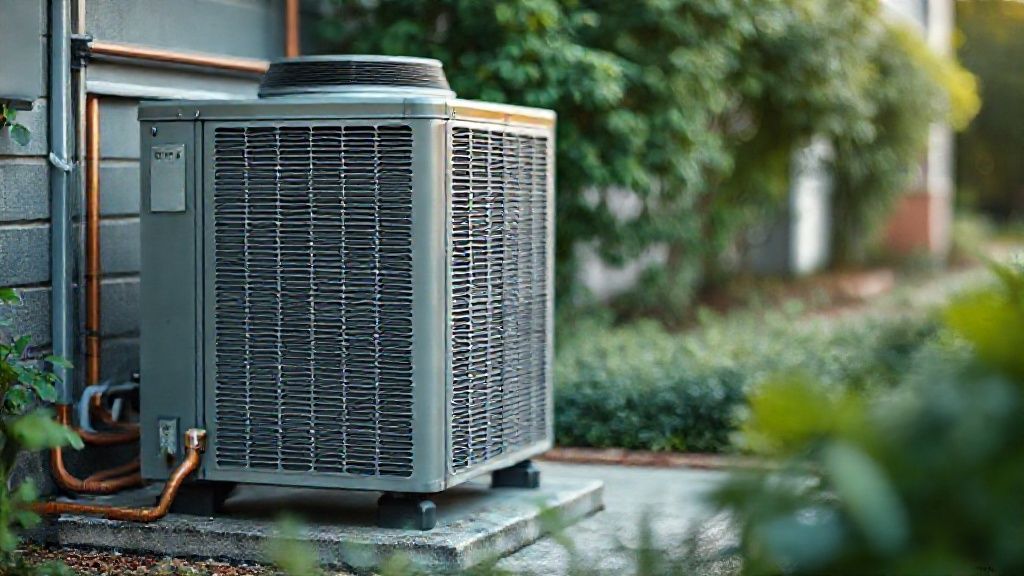
Electrification is another powerful trend. There’s a strong push – driven by environmental concerns and government incentives – to move away from fossil fuels for heating. This means a rapid increase in heat pump adoption, even in colder climates where they historically weren’t as common. As contractors, you need to be experts in heat pump technology, installation, and service. This includes understanding the specific requirements for different types of heat pumps, such as air-source, ground-source, and mini-splits.
Sustainability and energy efficiency will continue to be paramount. Clients are increasingly looking for ways to reduce their carbon footprint and save on utility bills. This involves not just high-efficiency equipment but also proper system design, installation, and maintenance. Contractors who can offer energy audits, recommend system optimizations, and articulate the long-term benefits of energy-efficient investments will have a distinct advantage. This also means being prepared for stricter refrigerant regulations and the transition to newer, lower Global Warming Potential (GWP) refrigerants.
Addressing Challenges & Seizing Opportunities in the HVAC Sector
Every booming market comes with its share of challenges. The US HVAC market is no exception. Labor shortages remain a significant hurdle. Finding and retaining skilled technicians is tough, and it directly impacts your capacity to take on new projects and service existing clients. Investing in training, offering competitive wages, and fostering a positive work environment are crucial for attracting talent. Consider partnerships with vocational schools or offering apprenticeship programs to build your own pipeline of skilled workers.
Supply chain disruptions, while somewhat eased from peak pandemic levels, still pose a threat. Material costs can be unpredictable, and lead times for certain equipment can vary. Developing strong relationships with multiple suppliers and having a robust inventory management system can help mitigate these issues. For marketing hvac services, transparency with clients about potential delays and proactive communication is key to managing expectations and maintaining trust.
Despite these challenges, opportunities abound. Specializing in high-efficiency installations or smart home integrations can differentiate your business. Offering comprehensive maintenance plans ensures recurring revenue and builds customer loyalty. These plans are often the gateway to future system upgrades and provide a stable base for your business. For example, promoting regular tune-ups for packaged HVAC systems can extend their lifespan and ensure optimal performance, which homeowners appreciate.
The demand for packaged HVAC systems, in particular, presents specific opportunities. These all-in-one units provide both heating and cooling from a single cabinet, making them ideal for homes with limited indoor space, like those with slab foundations or no attic/crawlspace access. They are also popular in multi-floor homes and commercial buildings due to their simplified installation and reduced outdoor noise. If your target market includes these types of properties, understanding the nuances of packaged units – from zoning capabilities to efficiency – is vital. While retrofits can sometimes be challenging with older ductwork, this challenge becomes an opportunity to offer comprehensive ductwork inspections and upgrades, adding value to your service.
Residential vs. Commercial HVAC: Market Segment Analysis
The US HVAC market is broadly divided into residential and commercial segments, each with unique characteristics and opportunities. In the residential sector, the focus is heavily on comfort, energy efficiency, and increasingly, smart home integration. Homeowners want reliable systems that are quiet, cost-effective to run, and easy to control. The replacement market is substantial here, as older homes consistently need new or upgraded systems. A strong hvac marketing strategy for residential clients will emphasize reliability, energy savings, and modern conveniences.
Packaged HVAC systems are particularly effective in certain residential applications. For multi-floor homes, especially those built on slab foundations, or properties with limited attic or crawlspace access, a packaged unit can be a practical and efficient solution. These units provide whole-home coverage and can be compatible with zoning dampers, though advanced zoning might require additional components. Their all-in-one design often leads to reduced outdoor noise compared to split configurations, which is a major benefit for homeowners concerned about their outdoor living spaces.
The commercial HVAC market operates on a different scale. Businesses require robust, dependable systems that can handle larger loads, maintain precise temperature and humidity levels, and often integrate with complex building management systems. The purchasing cycle is typically longer, with more stakeholders involved. Here, contractors need expertise in specialized equipment, system design, and regulatory compliance for commercial properties. Energy efficiency is critical for commercial clients due to higher operating costs, and reliability directly impacts business operations.
For commercial spaces, packaged units are also a common choice, particularly for smaller commercial buildings or as rooftop units. Their straightforward installation and maintenance can appeal to business owners looking for minimal disruption. However, regardless of the segment, contractors need to remember that the efficiency of any HVAC system, including packaged units, heavily relies on proper insulation and meticulously sealed ductwork. This is an important upsell or add-on service that ensures client satisfaction and system performance.
Technological Innovations Impacting the US HVAC Industry
Innovation is not just a buzzword; it’s the engine driving the modern US HVAC market. Contractors who embrace new technologies are better positioned for future success. Heat pump technology, as I mentioned, is rapidly advancing, offering greater efficiency in varying climates. Variable refrigerant flow (VRF) systems are gaining traction, especially in commercial applications, for their ability to provide simultaneous heating and cooling to different zones with high efficiency.
Intelligent controls and automation are becoming standard. This includes advanced thermostats, building management systems (BMS), and remote monitoring capabilities. These technologies not only improve efficiency and comfort but also provide valuable data for preventative maintenance and system diagnostics. Offering these “smart” solutions can differentiate your business from competitors still relying on older, simpler systems. Digital marketing hvac companies can leverage these technological advancements in their promotional materials, highlighting the benefits to customers.
Let’s talk more about packaged HVAC systems within this context of innovation. While the concept of an all-in-one unit isn’t new, modern packaged systems are integrating advanced components that make them more efficient and versatile. They now often feature variable-speed compressors, enhanced coil designs, and smart controls that optimize performance. These units are designed for quick installation, which is a significant advantage in both new construction and certain retrofit scenarios where space or access is limited.
For contractors, understanding the latest in packaged system technology is crucial. This includes knowing their compatibility with modern zoning solutions and how to maximize their efficiency through proper sizing and ductwork integration. Offering these advanced packaged units, especially when they fit a client’s specific structural constraints or efficiency goals, positions you as a forward-thinking provider. Remember, the challenge of retrofitting older ductwork for these systems can be framed as an opportunity to offer a complete system upgrade, improving overall home or building performance and generating additional revenue.
How AC Direct VIP Supports HVAC Businesses in the US Market
I know what it takes to succeed in this industry, and I’ve built AC Direct VIP to give contractors like you the edge you need. The US HVAC market is competitive, and simply being good at your trade isn’t enough anymore. You need a consistent flow of quality leads and a strategy to convert them into loyal customers. That’s where we come in. We specialize in hvac marketing tips that are proven to work, not just theories.
We focus on hvac web marketing strategies tailored specifically for our industry. This means optimizing your online presence, ensuring you rank high in local searches, and building a professional website that converts visitors into inquiries. We handle the complexities of search engine optimization (SEO), pay-per-click (PPC) advertising, and social media marketing so you can focus on what you do best: servicing clients.
Our approach goes beyond just generating clicks. We help you develop compelling value propositions that resonate with your target audience, whether they are residential homeowners looking for a quiet, efficient packaged unit or commercial property managers needing reliable service for their rooftop systems. We provide marketing ideas for hvac companies that are actionable and deliver measurable results, ensuring every marketing dollar you spend is an investment, not an expense.
We understand the specific challenges of the commercial hvac market as well. Our strategies are designed to help you attract the right commercial clients, showcase your expertise in specialized systems, and build long-term relationships. From crafting targeted email campaigns to optimizing your Google Business Profile for local service calls, AC Direct VIP is your partner in growth. We’re not just a marketing agency; we’re an extension of your team, dedicated to improving your bottom line.
Forecasting the US HVAC Market: Projections and Outlook
Looking ahead, the US HVAC market is projected to continue its upward trajectory. The key drivers we’ve discussed – population growth, construction, efficiency mandates, and climate considerations – are not going away. In fact, many are intensifying. Expect a sustained demand for replacements and upgrades, particularly as more incentives become available for energy-efficient systems.
The electrification trend will gain further momentum. Contractors should plan for an increased demand for heat pump installations and services. This means training your teams, stocking appropriate inventory, and updating your sales pitch to highlight the long-term cost savings and environmental benefits of these systems. As the market for us hvac services market size 2025 continues to grow, so will the opportunities for those prepared to meet demand.
Technological integration will deepen. Smart home ecosystems will become more common, and HVAC systems will be expected to be integral parts of them. This means you should be prepared to install, service, and troubleshoot systems that are connected, automated, and provide remote diagnostics. Investing in continuing education for your technicians in these areas will be critical.
Finally, expect an ongoing focus on indoor environmental quality. While AC Direct VIP doesn’t sell air filters, the broader interest in healthier indoor air and comfortable conditions will create opportunities for selling ancillary products and services such as humidifiers, dehumidifiers, and advanced ventilation systems. Position your business as a complete solution provider for indoor comfort and health, not just a system installer. The future of the US HVAC market is bright for those who adapt, innovate, and strategically market their expertise.
What Are the Primary Growth Drivers for the US HVAC Market?
The main drivers include new residential and commercial construction, the ongoing need to replace aging HVAC infrastructure, increasing consumer demand for energy-efficient systems, stricter environmental regulations, and a heightened awareness of indoor air quality. Climate change also plays a significant role, driving demand for reliable heating and cooling solutions.
How Are Technological Innovations Changing the HVAC Industry?
Technological innovations are leading to the widespread adoption of smart HVAC systems, IoT integration, and advanced controls that offer remote monitoring and improved efficiency. There’s also a significant shift towards electrification, with heat pumps becoming a dominant technology. Packaged HVAC systems, for instance, are evolving with variable-speed components and enhanced controls, making them more versatile and efficient for specific applications like multi-floor homes or limited-access installations.
What Challenges Do HVAC Contractors Face in the Current Market?
HVAC contractors commonly face challenges such as labor shortages, which impact service capacity and project timelines. Supply chain disruptions and fluctuating material costs can also create operational hurdles. Additionally, keeping up with rapid technological advancements and evolving regulatory standards requires continuous investment in training and adaptation.
What Opportunities Exist for HVAC Contractors in the US Market?
Significant opportunities lie in specializing in high-efficiency equipment, such as advanced heat pumps and smart home integrated systems. Offering comprehensive preventative maintenance plans provides stable recurring revenue. Focusing on specific market segments, like multi-floor homes or commercial buildings requiring packaged units, and providing expert service in those niches can also lead to substantial growth. Providing thorough ductwork inspections and upgrades – especially during packaged unit retrofits – is another avenue for adding value and revenue.
How Can Packaged HVAC Systems Impact a Contractor’s Business?
Packaged HVAC systems offer specific advantages for contractors by simplifying installations in new constructions with slab foundations or in retrofits where attic or crawlspace access is limited. They provide whole-home heating and cooling from a single unit, often with reduced outdoor noise, which is appealing to many clients. Understanding their compatibility with zoning and the importance of well-sealed ductwork allows contractors to offer tailored, efficient solutions and upsell related services, improving project profitability and client satisfaction.
Final Thoughts
The US HVAC market is not static. It’s moving, growing, and demanding more from contractors every single day. You can choose to be carried along by the currents, or you can actively steer your business toward the most profitable opportunities. My advice is to embrace the changes. Invest in training your team on the latest technologies, particularly heat pumps and smart systems. Understand the nuanced applications of products like packaged HVAC units, and market those benefits effectively.
Most importantly, don’t let your marketing fall behind. A superior service means nothing if potential clients can’t find you. AC Direct VIP is here to ensure you have the marketing strategies for hvac success that convert leads and grow your business. The future of the US HVAC market belongs to the proactive and the prepared. Make sure you’re one of them.