The Expansive Reach of the HVAC Market: What You Need to Know
As an HVAC business owner, understanding the broader landscape of our industry is not just academic; it’s a strategic imperative. The global HVAC market is a powerhouse, continually expanding and adapting to new demands, technologies, and environmental considerations. For those of us running operations, staying informed about the market’s size, growth drivers, and future projections is essential for making sound business decisions, allocating resources effectively, and crafting potent marketing strategies.
I’m here to provide you with a clear, direct breakdown of the HVAC industry’s current standing and where it’s headed. This isn’t about guesswork; it’s about equipping you with data-driven insights so you can position your company for sustained success within the dynamic hvac market. Knowing these trends allows you to anticipate customer needs, optimize your service offerings, and refine your approach to customer acquisition.
Key Highlights
- The global HVAC market is experiencing robust growth, driven by environmental shifts and technological advancements.
- Key growth segments include residential, commercial, and industrial, each with unique drivers and opportunities.
- Technological innovations like smart systems and energy-efficient solutions are redefining industry standards.
- Regional variations in climate, urbanization, and regulations significantly impact market expansion.
- Strategic adaptation to these trends is crucial for HVAC businesses to maintain and upgrade their competitive edge.
Understanding the Global HVAC Market Size: Current Landscape
Let’s talk numbers, because that’s where the rubber meets the road. The global HVAC market is not just large; it’s vast and consistently growing. Industry reports consistently value the market in the hundreds of billions of dollars annually, with projections showing a clear upward trajectory for years to come. This isn’t a stagnant pond; it’s a rapidly moving river with new currents appearing all the time. This growth is fueled by a confluence of factors, from escalating global temperatures to increasing urbanization and a heightened focus on indoor air quality and energy efficiency across residential, commercial, and industrial sectors.
The sheer size of this market means there’s ample room for growth for well-positioned HVAC contractors. However, it also means competition is real, and staying relevant requires more than just showing up. It demands a keen understanding of market dynamics, an adaptive business model, and a marketing strategy that genuinely connects with your target clientele. Ignoring the big picture of the hvac market size is like trying to drive blindfolded; you might get somewhere, but it won’t be efficient, and it certainly won’t be safe.
Key Factors Driving HVAC Market Growth
Several powerful forces are pushing the HVAC market forward. First and foremost is climate change. As global temperatures continue to rise, the demand for effective cooling solutions becomes non-negotiable, not just a luxury. This directly translates to increased sales and service opportunities for cooling systems, including air conditioners and heat pumps.
Urbanization and population growth also play a significant role. More people living in denser urban environments means more residential buildings, more commercial complexes, and more infrastructure requiring sophisticated climate control systems. New construction directly creates demand, and as existing buildings age, they require system replacements, upgrades, and more frequent maintenance. Furthermore, evolving building codes and government regulations increasingly mandate energy-efficient HVAC systems, which often means replacing older, less efficient units with modern, high-performance equipment. This legislative push creates a built-in demand for advanced systems and services.
Lastly, rising disposable incomes in many regions allow homeowners and businesses to invest in better, more comfortable, and more efficient HVAC solutions. They’re not just looking for something that works; they’re looking for systems that offer improved comfort, lower operating costs, and smart features. This willingness to invest in quality drives demand for higher-end equipment and specialized services.
HVAC Market Segmentation: Residential, Commercial, and Industrial
To truly grasp the hvac market size, we must break it down into its core components: residential, commercial, and industrial. Each segment operates with distinct characteristics and presents unique opportunities for HVAC businesses.
The **residential segment** is characterized by direct consumer sales and service. This includes single-family homes, multi-family dwellings, and apartments. Growth here is primarily driven by new housing starts, home renovation trends, and the replacement cycle of existing HVAC units. Homeowners are increasingly interested in energy efficiency, smart home integration, and solutions that offer superior indoor comfort. This segment demands strong customer service, transparent communication, and efficient scheduling.
The **commercial segment** encompasses offices, retail spaces, hotels, schools, and healthcare facilities. These clients often prioritize system reliability, energy performance, and the comfort of occupants and customers. The demand is often tied to commercial construction booms, retrofitting older buildings for efficiency, and specialized requirements such as those found in hospitals or data centers. Commercial work typically involves larger, more complex systems and contractual service agreements, demanding a different level of technical expertise and project management.
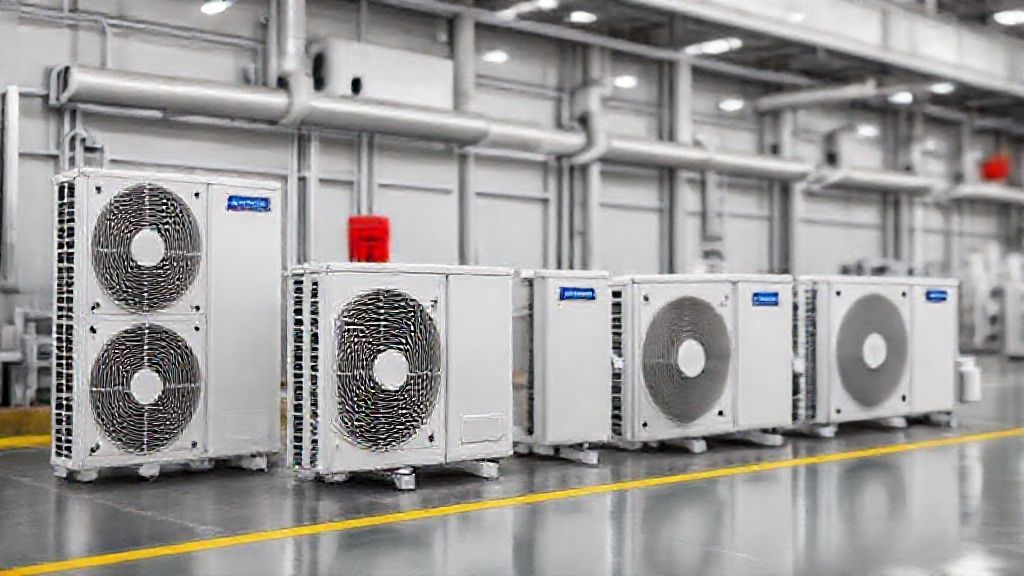
The **industrial segment** serves factories, manufacturing plants, warehouses, and other large-scale operations. Here, HVAC systems are critical not just for human comfort but often for process control, equipment protection, and maintaining specific environmental conditions for sensitive materials or machinery. Reliability, robust design, and precise control are paramount. This work often involves heavy-duty equipment, specialized ventilation, and complex installations, requiring highly specialized engineering and technical capabilities. Understanding these segment differences allows you to tailor your services, marketing messages, and even your business structure to best serve your chosen market.
Technological Innovations Shaping the HVAC Industry
The HVAC industry is far from static; it’s constantly evolving, largely driven by technological advancements aimed at improving efficiency, control, and environmental impact. Smart HVAC systems, often integrated with IoT (Internet of Things) devices, are becoming standard. These systems allow for remote monitoring, diagnostic capabilities, and predictive maintenance, meaning your technicians can often identify and address issues before they become major breakdowns. This proactive approach saves your clients money and upgrades your service reputation.
The rise of heat pump technology is another game-changer. Heat pumps offer both heating and cooling in a single, highly efficient unit, reducing reliance on fossil fuels. As energy efficiency regulations tighten and consumer awareness of environmental impact grows, heat pumps are seeing widespread adoption across residential and commercial applications. Variable Refrigerant Flow (VRF) systems are also gaining traction, particularly in commercial settings, due to their ability to provide simultaneous heating and cooling to different zones and their superior energy performance.
Improved refrigerants with lower global warming potential are constantly being developed and phased in, requiring contractors to stay current on new regulations and handling procedures. Furthermore, advanced zone control systems allow for precise temperature management in different areas of a building, optimizing comfort and minimizing energy waste. This is especially relevant for packaged HVAC systems, which provide heating and cooling in one unit and are effective when attic or crawlspace access is limited, offering whole-home coverage and reduced outdoor noise. While retrofitting older ductwork for these systems can be challenging, their compatibility with zoning dampers makes them an attractive option for efficiency-conscious customers, provided insulation and sealed ductwork are properly addressed. These innovations aren’t just selling points; they are shaping the very core of what we offer as HVAC professionals.
Geographical Analysis: Regional HVAC Market Trends
The global hvac market size isn’t uniform; it varies significantly by region, influenced by local climates, economic development, and regulatory frameworks. North America, for instance, is a mature market, driven primarily by replacement demand, energy efficiency mandates, and smart home integration. The U.S. and Canada see high demand for both heating and cooling, with a strong emphasis on upgraded systems.
Europe presents a complex market with diverse climates and strong environmental regulations. The push for decarbonization and the widespread adoption of heat pumps are major trends here. Efficiency standards are often stricter, and government incentives for greener technologies are more prevalent, influencing both product offerings and consumer choices.
Asia-Pacific is currently the fastest-growing region in the HVAC market. Rapid urbanization, increasing disposable incomes, and industrial expansion in countries like China and India are fueling explosive demand for both residential and commercial HVAC systems. While growth is robust, the market is also highly competitive, often driven by price sensitivity and a rapid adoption of new, often affordable, technologies.
Other regions, such as the Middle East and Africa, are experiencing significant growth due to extreme climates and infrastructure development. Latin America also shows steady growth, primarily driven by residential and commercial construction. Understanding these regional nuances allows HVAC businesses to identify potential expansion opportunities or refine their local hvac marketing strategy to resonate with specific regional demands.
Future Outlook: Projections for the HVAC Market
Looking ahead, the hvac market size is projected to continue its robust expansion. Analysts forecast a steady Compound Annual Growth Rate (CAGR) for the foreseeable future, pushing the market value to even greater heights. This sustained growth is underpinned by the factors we’ve already discussed: persistent climate challenges, ongoing urbanization, and a relentless drive for energy efficiency.
The future will likely see even greater integration of artificial intelligence and machine learning for predictive maintenance and optimized system performance. This means systems will become even “smarter,” capable of self-diagnosing and even self-repairing minor issues, potentially shifting the focus of service calls towards more complex repairs, upgrades, and preventative maintenance contracts rather than reactive emergency calls. Furthermore, sustainable HVAC solutions, including advancements in geothermal and solar-powered systems, will gain more traction as environmental concerns become paramount. For HVAC contractors, this future means a continuous need to adapt, to invest in training for new technologies, and to refine your service offerings to meet these evolving demands. It’s an exciting time to be in this industry, but it’s also a time that rewards forward-thinking and adaptability.
Implications for HVAC Businesses & Marketing Strategies
What does all this mean for your HVAC business on the ground? It means opportunity, but also the necessity for strategic adaptation. The growing hvac market size doesn’t guarantee success; it simply provides the playing field. To truly capitalize, you must align your services with the prevailing trends.
First, focus on energy-efficient solutions. Consumers and businesses are increasingly motivated by long-term cost savings and environmental impact. Promoting high-efficiency units, heat pumps, and smart thermostats should be central to your offerings and your hvac marketing tips. Second, invest in training for new technologies. If your technicians aren’t proficient in installing and servicing smart systems, VRF, or the latest refrigerants, you’re missing out on a significant segment of the market. This also means upgrading your diagnostic tools and service capabilities.
Third, consider specializing or expanding into niche markets. While comprehensive service is good, becoming an expert in, say, commercial VRF systems or residential geothermal solutions can set you apart. Fourth, your hvac web marketing needs to reflect these modern capabilities. Your website, social media, and local SEO efforts should highlight your expertise in smart technology, energy savings, and sustainable options. Finally, emphasize preventative maintenance plans. With more complex systems, regular maintenance becomes even more crucial for longevity and efficiency, offering a stable revenue stream for your business and peace of mind for your customers.
Capitalizing on HVAC Market Opportunities with AC Direct VIP
The expanding hvac market size presents a clear opportunity for growth, but only if you’re prepared to seize it. This means not just having the technical expertise, but also the business acumen and, critically, a robust marketing approach that gets your services in front of the right customers. At AC Direct VIP, my goal is to provide you with the resources and insights to do exactly that. We understand the nuances of the HVAC industry and the specific challenges you face as a business owner.
From optimizing your online presence to crafting compelling sales funnels, we focus on strategies that are designed to convert leads into loyal customers. It’s about more than just getting clicks; it’s about getting contracts. As the market continues to evolve, your marketing hvac efforts must evolve with it. Don’t leave your growth to chance. Equip your business with the knowledge and tools to not just survive but thrive in this dynamic and profitable industry.
What Factors Will Most Impact the HVAC Market in the Next Five Years?
In the next five years, the HVAC market will primarily be impacted by the accelerating demand for energy-efficient solutions driven by climate change and stricter regulations. This includes the widespread adoption of heat pump technology and smart HVAC systems that integrate with IoT for enhanced control and diagnostics. Urbanization and ongoing construction, particularly in developing regions, will continue to fuel new installations, while the aging infrastructure in mature markets will necessitate significant replacement and upgrade cycles. The increasing cost of energy and growing consumer awareness of environmental impact will also push for greener, more sustainable HVAC options.
How Can Small to Mid-Sized HVAC Businesses Compete with Larger Corporations?
Small to mid-sized HVAC businesses can effectively compete by focusing on specialized niches, providing exceptional customer service, and leveraging their local presence. Specializing in areas like smart home HVAC integration, geothermal systems, or commercial VRF installations allows them to differentiate from larger, more generalized competitors. Building strong local relationships through community involvement and word-of-mouth referrals is invaluable. Additionally, adopting modern, targeted digital marketing strategies, such as local SEO and personalized online advertising, can help them reach their specific customer base more efficiently than broad, national campaigns.
Is the Residential or Commercial HVAC Market Segment Showing Faster Growth?
While both segments are growing, the commercial HVAC market generally exhibits a slightly faster growth rate due to rapid urbanization, increasing industrialization, and significant infrastructure development, especially in emerging economies. Commercial projects often involve larger installations and more complex systems, contributing to higher market value. However, the residential segment also shows strong, steady growth, particularly with the emphasis on home comfort, smart home technology adoption, and the continuous need for system replacements and upgrades in existing housing stock. The relative growth can also fluctuate based on regional economic conditions and construction booms.
How Important Are Smart HVAC Technologies for Future Business Growth?
Smart HVAC technologies are becoming critically important for future business growth. They represent the leading edge of innovation, offering enhanced energy efficiency, remote control, predictive maintenance capabilities, and improved user convenience. Businesses that can expertly install, service, and market these systems will be better positioned to meet evolving customer expectations and regulatory demands. Furthermore, these technologies often lead to more lucrative service contracts due to their complexity and the value they add in terms of operational savings and extended equipment life. Ignoring smart tech risks obsolescence and losing a significant competitive advantage.
Final Thoughts
The hvac market size is undeniably robust and continues to expand, presenting significant opportunities for savvy contractors. However, success isn’t handed out; it’s earned through a combination of technical excellence, business foresight, and effective marketing. Staying current on technological advancements, understanding regional nuances, and adapting your services to meet the evolving demands for efficiency and smart solutions are no longer optional—they are imperative. By embracing these shifts and strategically positioning your business, you can not only secure your place but also unlock substantial growth in the years to come. The future is bright for those who are prepared.