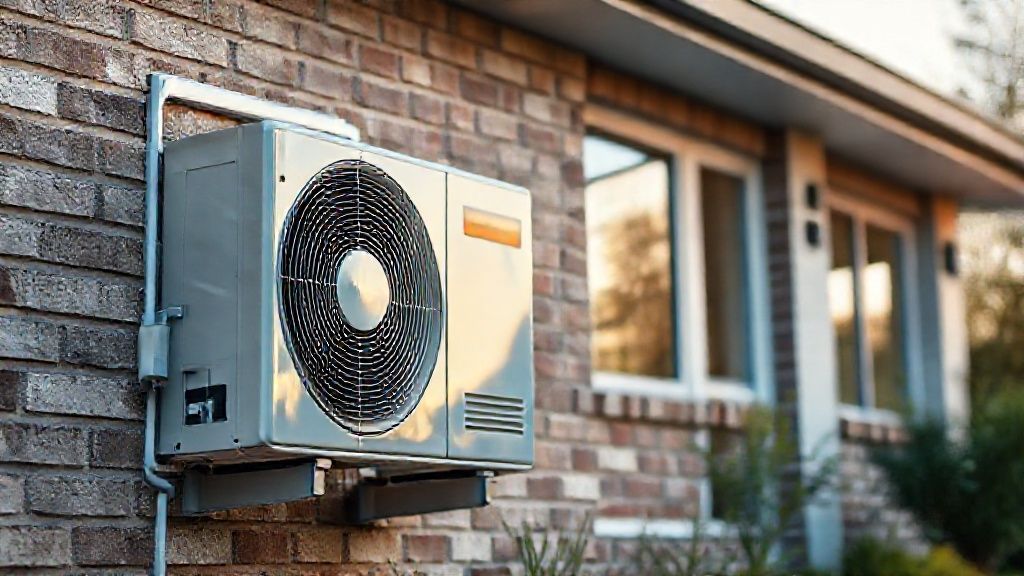
Here’s your article on HVAC Equipment Market Trends.
HVAC Equipment Market Trends: Insights for HVAC Contractors
The HVAC equipment market is in constant flux. New technologies emerge, regulations shift, and consumer demands evolve. For HVAC contractors, staying informed about these trends is not just beneficial; it’s essential for survival and success. I’m going to give you the details on what’s happening and how you can prepare your business.
Key Highlights:
- Energy Efficiency: The push for higher efficiency is driving innovation in equipment design and contractor service offerings.
- Smart Technology: Connected HVAC systems are becoming standard, requiring contractors to have expertise in installation, integration, and troubleshooting.
- Supply Chain: Disruptions continue to impact availability and pricing, making inventory management and supplier relationships more critical than ever.
- Regulations: Ever-changing rules are reshaping the types of equipment that can be installed and serviced, mandating ongoing training and compliance efforts.
- Consumer Preferences: Homeowners are more informed and demanding, seeking customized solutions that meet their specific needs and budgets.
Current State of the HVAC Equipment Market
The HVAC equipment market is currently a mix of opportunity and challenge. Demand remains strong, fueled by new construction, replacement of aging systems, and a growing awareness of indoor air quality. However, supply chain disruptions and rising material costs are squeezing profit margins. Contractors need to be strategic in their pricing, inventory management, and service offerings to remain competitive.
The need for HVAC services isn’t going anywhere. People will always need heating and cooling. Your job is to make sure that you can reliably offer the best service while staying profitable.
Key Market Drivers and Restraints
Several factors are driving the HVAC equipment market forward. The increasing demand for energy-efficient systems is a major driver, as homeowners and businesses seek to reduce their energy consumption and lower utility bills. Government incentives and rebates for energy-efficient equipment are further accelerating this trend. Another driver is the growth of the construction industry, particularly in developing countries. Rising disposable incomes and urbanization are also contributing to increased demand for HVAC systems.
However, the market also faces some restraints. High initial costs of advanced HVAC systems can be a barrier for some consumers. Supply chain disruptions, as we’ve discussed, continue to be a challenge. Economic uncertainty can also dampen demand, as consumers postpone or delay equipment upgrades. How to Form an LLC for Your HVAC Business: A Step-by-Step Guide
Emerging HVAC Technologies and Their Impact
Emerging HVAC technologies are transforming the industry. Variable refrigerant flow (VRF) systems are gaining popularity for their energy efficiency and ability to provide customized heating and cooling to different zones within a building. Heat pump technology is advancing rapidly, offering more efficient and cost-effective heating and cooling solutions, even in colder climates. Smart thermostats and connected HVAC systems are becoming increasingly common, allowing homeowners to control their systems remotely and optimize energy usage. These technologies require contractors to have specialized knowledge and training to install, service, and maintain them properly. Make sure your team is ready to handle these changes.
Supply Chain Challenges and Mitigation Strategies
Supply chain disruptions have been a persistent challenge for the HVAC equipment market in recent years. Bottlenecks in manufacturing, transportation delays, and shortages of raw materials have led to longer lead times and increased costs for many HVAC components. Contractors can mitigate these challenges by planning their orders well in advance, building strong relationships with suppliers, and exploring alternative suppliers to reduce their reliance on any single source. Maintaining adequate inventory levels can also help contractors weather supply chain disruptions and meet customer demand promptly. hvac filters wholesale
Regional Market Analysis: Opportunities and Challenges
The HVAC equipment market varies significantly by region. In North America and Europe, the focus is on energy efficiency, indoor air quality, and smart HVAC systems. In developing countries, the demand is driven by new construction and rising incomes. Each region presents unique opportunities and challenges for HVAC contractors. Contractors need to understand the specific market dynamics in their region to tailor their service offerings and marketing strategies accordingly.
Understanding the local market is key to success. What works in one area might not work in another. Pay attention to the specific needs and preferences of your customers in your region.
Impact of Regulations and Standards on Equipment Choices
Government regulations and industry standards play a significant role in shaping the HVAC equipment market. Regulations regarding energy efficiency standards, refrigerant usage, and emissions directly influence the types of equipment that are manufactured and sold. For example, the phasing out of certain refrigerants with high global warming potential is driving the adoption of more environmentally friendly alternatives. Contractors need to stay informed about these regulations to ensure compliance and offer compliant equipment options to customers. How to Start an HVAC Business in Indiana: A Step-by-Step Guide
Forecasting Future HVAC Equipment Market Trends
Looking ahead, the HVAC equipment market is expected to continue to grow, driven by the factors we’ve discussed. The trend toward energy efficiency and smart technology will likely accelerate, with more stringent regulations and increasing consumer demand. The market will also see more innovation in equipment design, with manufacturers developing more efficient, reliable, and user-friendly systems. Contractors who stay ahead of these trends and adapt their business accordingly will be well-positioned for success.
Strategies for HVAC Contractors to Adapt and Thrive
To adapt and thrive in the evolving HVAC equipment market, contractors should focus on the following strategies:
- Invest in Training: Provide ongoing training for your technicians on new technologies and equipment.
- Build Strong Supplier Relationships: Develop strong relationships with multiple suppliers to ensure a reliable supply of equipment and parts. hvac parts wholesale online
- Embrace Technology: Adopt technology solutions to streamline your operations, improve customer service, and enhance marketing efforts. how to market my hvac business online
- Focus on Customer Service: Provide excellent customer service to build trust and loyalty.
- Diversify Service Offerings: Offer a range of services, including installation, maintenance, repair, and indoor air quality solutions, to meet the diverse needs of your customers.
The Role of Energy Efficiency in HVAC Equipment Market
Energy efficiency is a central theme in the HVAC equipment market. Consumers are increasingly demanding energy-efficient systems to reduce their energy consumption and lower their utility bills. Government incentives and rebates for energy-efficient equipment are further driving this trend. Contractors who offer energy-efficient solutions can differentiate themselves from the competition and attract more customers. Understanding energy efficiency ratings and the benefits of different energy-efficient technologies is crucial for contractors.
Consumer Preferences and Their Influence on Equipment Selection
Consumer preferences play a significant role in equipment selection. Homeowners are becoming more informed and demanding, seeking customized solutions that meet their specific needs and budgets. Factors such as energy efficiency, indoor air quality, noise levels, and smart features all influence their equipment choices. Contractors need to understand these preferences and offer a range of options to meet the diverse needs of their customers. Effective communication and education are essential for helping customers make informed decisions.
Final Thoughts
The HVAC equipment market is dynamic and constantly evolving. By staying informed about the latest trends, embracing new technologies, and focusing on customer service, HVAC contractors can adapt and thrive in this competitive environment. hvac r wholesale supplier The companies that stay ahead of the curve will be the ones that succeed in the long run. Also, remember that companies like Vistra Corp are vital to the energy supply chain and HVAC.
FAQ
What are the major trends influencing the HVAC equipment market in 2024?
Key trends include the increasing adoption of energy-efficient systems (like heat pumps), the growth of smart HVAC technology, and ongoing supply chain disruptions. Geopolitical events and environmental policies are also having a significant impact.
How are supply chain issues affecting the availability and pricing of HVAC equipment?
Supply chain bottlenecks are leading to longer lead times and increased costs for many HVAC components. Contractors should plan orders well in advance and explore alternative suppliers to mitigate these challenges.
What role does government regulation play in shaping the HVAC equipment market?
Regulations regarding energy efficiency standards, refrigerant usage, and emissions directly influence the types of equipment that are manufactured and sold. Contractors need to stay informed about these regulations to ensure compliance and offer compliant equipment options to customers.
What are some of the emerging HVAC technologies contractors should be aware of?
Emerging technologies include variable refrigerant flow (VRF) systems, advanced filtration technologies for improved indoor air quality, and connected thermostats that can be controlled remotely. Heat pump technology continues to advance providing more efficient heating and cooling options.
How can HVAC contractors adapt to the changing market conditions and stay competitive?
Contractors should focus on training their technicians on new technologies, building strong relationships with suppliers, and marketing the benefits of energy-efficient and smart HVAC systems to customers. Diversifying service offerings is also crucial.