HVAC Equipment Market Size: Growth, Trends & Opportunities for Contractors
The HVAC industry is not just a collection of local businesses; it’s a critical component of the global infrastructure, constantly evolving. For any HVAC contractor looking to secure their future, understanding the broader market dynamics is non-negotiable. We’re talking about the global HVAC equipment market size – its current valuation, projected growth, and the underlying trends driving this expansion. This isn’t academic theory; it’s intelligence you need to make informed decisions about your business, your investments, and your marketing strategy.
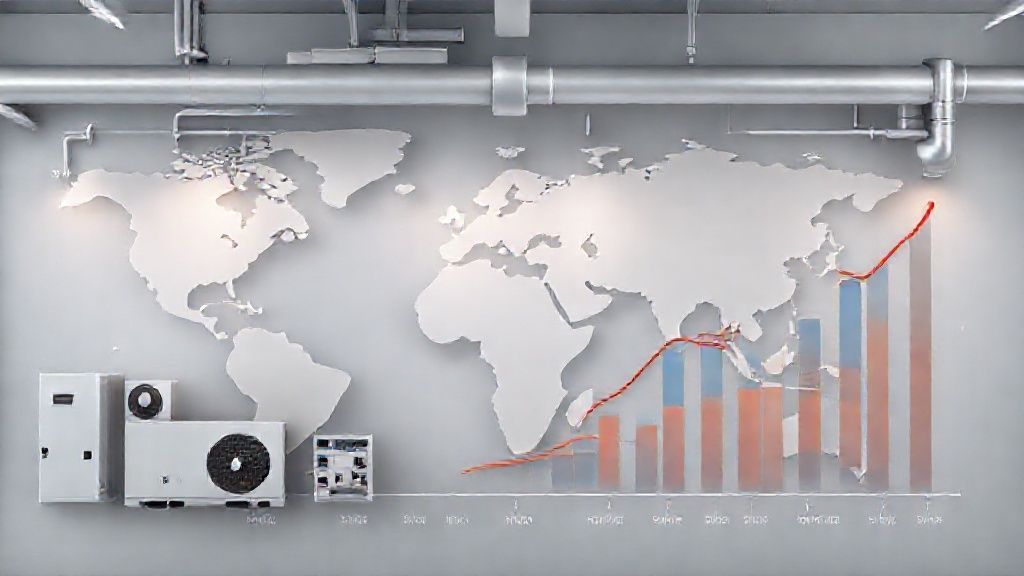
The numbers speak for themselves. The HVAC equipment market is a multi-billion dollar sector, consistently demonstrating robust growth. Recent analyses indicate that the global HVAC equipment market, valued at hundreds of billions, is projected to expand at a Compound Annual Growth Rate (CAGR) exceeding 6% over the next decade. This isn’t merely a statistic; it signifies a massive influx of opportunity, but also intensified competition and the imperative to adapt.
As a contractor, you need to know where these opportunities lie. Are you prepared for the shift towards energy-efficient systems? Do you understand the impact of urbanization on demand? Are you leveraging emerging technologies to stay ahead? Ignoring these macro trends is akin to driving blind. This report will break down the essential components of the HVAC equipment market, providing you with a clear, actionable perspective on how to navigate this evolving landscape and position your business for sustained success.
Key Highlights
- Significant Market Growth: The global HVAC equipment market is experiencing substantial growth, projected to continue for the foreseeable future, driven by various macro-economic and environmental factors.
- Technological Evolution: Smart HVAC systems, heat pumps, VRF technology, and advancements in refrigerants are reshaping the industry, demanding new skills and service offerings from contractors.
- Energy Efficiency Mandates: Stringent regulatory standards and a global push for sustainability are accelerating the adoption of high-efficiency equipment, creating both compliance challenges and market opportunities.
- Regional Disparities: While global growth is strong, specific regional dynamics in North America, Europe, and Asia-Pacific dictate unique market needs and strategic approaches for contractors.
- Challenges & Opportunities: Contractors face hurdles like labor shortages and supply chain disruptions but can capitalize on specialization, technology adoption, and effective marketing to thrive.
- Strategic Planning Imperative: Leveraging market data is crucial for optimizing business operations, from inventory management and technician training to targeted marketing campaigns.
- Empowering Contractors: Platforms like AC Direct VIP provide the marketing tools and insights necessary for hvac contractors: take back control of your marketing and capitalize on market growth.
Understanding the Global HVAC Equipment Market Landscape
The global HVAC equipment market is a colossal ecosystem encompassing a wide array of products and services, from traditional air conditioners and furnaces to sophisticated ventilation systems and heat pumps. This market isn’t static; it’s a dynamic entity driven by a confluence of factors including population growth, urbanization, industrialization, and evolving consumer preferences. Its sheer scale means that even minor shifts can have significant ripple effects, creating both profound challenges and unprecedented opportunities for businesses at every level of the supply chain, particularly for local contractors.
Current estimates place the market value in the hundreds of billions of dollars, with consistent projections for robust growth. Analysts forecast that this expansion will be fueled by increasing demand for thermal comfort across residential, commercial, and industrial sectors, alongside a growing imperative for energy efficiency and environmental sustainability. For you, the contractor, this translates into a steadily expanding pool of potential clients and a diverse range of projects. However, it also demands a deeper understanding of the specific segments driving this growth. Are you positioned to capture the demand for new installations, or is your focus primarily on maintenance and replacement? The global landscape dictates that a “one-size-fits-all” approach is no longer viable. Success hinges on precise targeting and strategic adaptation to these overarching market trends.
Key Drivers of HVAC Market Growth and Expansion
Several powerful forces are converging to propel the HVAC equipment market forward. Understanding these drivers is fundamental to forecasting demand and aligning your services effectively.
First, **urbanization and population growth** are undeniable catalysts. As more people migrate to cities and the global population continues to expand, the demand for residential and commercial buildings escalates, directly translating into a need for new HVAC installations and upgrades. Densely populated areas inherently require robust climate control solutions, from apartment complexes to sprawling office buildings. This trend alone ensures a baseline demand for new equipment.
Second, **climate change and extreme weather patterns** are making reliable HVAC systems less of a luxury and more of a necessity. Record-breaking heatwaves and colder winters necessitate efficient heating and cooling solutions, driving both new purchases and accelerated replacement cycles for older, less efficient units. Consumers and businesses are increasingly prioritizing comfort and safety in the face of unpredictable environmental conditions.
Third, **energy efficiency mandates and governmental regulations** are shaping product development and consumer choice. Governments worldwide are pushing for stricter energy performance standards (e.g., SEER2 ratings), aiming to reduce energy consumption and carbon emissions. This regulatory push means that older, less efficient equipment must eventually be replaced, creating a continuous market for advanced, compliant systems. Contractors who understand and can articulate the benefits of these high-efficiency units will gain a competitive edge.
Fourth, **rising disposable incomes and improved living standards** in developing regions contribute significantly to market expansion. As economic conditions improve, more households and businesses can afford to invest in HVAC systems for comfort and productivity.
Lastly, **the construction boom** in many parts of the world, particularly in emerging economies, directly fuels demand for HVAC equipment. New commercial complexes, data centers, healthcare facilities, and residential developments all require extensive HVAC infrastructure. This creates a strong foundational demand for wholesale hvac equipment and related services.
Emerging Technologies Shaping the Future of HVAC
Innovation is not just a buzzword in HVAC; it’s a relentless force reshaping the industry. For contractors, staying abreast of these technological advancements is crucial, as they define future service opportunities and client expectations.
The rise of **smart HVAC systems**, leveraging the Internet of Things (IoT) and Artificial Intelligence (AI), is transforming how buildings are heated and cooled. These systems offer unparalleled control, predictive maintenance capabilities, and optimized energy usage. Homeowners and commercial property managers are increasingly seeking smart thermostats, zoning systems, and integrated building management platforms. This creates a demand for contractors proficient in installation, configuration, and troubleshooting of networked HVAC solutions.
**Geothermal and heat pump technologies** are experiencing a resurgence, driven by electrification trends and a global push for decarbonization. Heat pumps, in particular, are becoming the preferred choice for both heating and cooling in many regions due to their superior energy efficiency and lower carbon footprint compared to traditional fossil fuel systems. This represents a significant growth area, requiring specialized training and installation expertise.
**Variable Refrigerant Flow (VRF) systems** continue to gain traction, especially in commercial applications. VRF technology allows for precise zoning and simultaneous heating and cooling in different areas of a building, offering immense flexibility and energy savings. Understanding and installing VRF systems opens doors to larger, more complex commercial projects.
Furthermore, ongoing advancements in **refrigerant technology** are critical. The phasedown of HFCs and the transition to low-GWP (Global Warming Potential) alternatives are impacting equipment design, servicing procedures, and regulatory compliance. Contractors must be well-versed in handling these new refrigerants, ensuring safe and compliant operations.
These emerging technologies are not just theoretical; they are becoming standard in modern construction and essential for upgrades. They require continuous learning, investment in new tools (including hvac tools wholesale from trusted suppliers), and a willingness to adapt your service offerings. Those who embrace these changes will be best positioned to capitalize on the evolving market.
Regional Spotlights: HVAC Market Dynamics Across the Globe
While the global HVAC market exhibits overall growth, specific regional dynamics profoundly influence local demands and business strategies. Understanding these nuances is critical for any contractor looking beyond their immediate service area or simply wishing to comprehend broader industry trends.
In **North America**, the HVAC market is largely characterized by a significant replacement component. A substantial portion of existing infrastructure is aging, driving demand for upgrades to more energy-efficient and technologically advanced systems. The push for smart homes and commercial building automation is particularly strong here, alongside a growing interest in heat pump technology. Contractors in this region must focus on high-efficiency installations, smart home integration, and robust service agreements to capture market share. Regulatory changes, particularly concerning refrigerants and energy efficiency standards, are also a constant factor, impacting everything from goodman hvac wholesale inventory to installation practices.
**Europe** demonstrates a strong emphasis on sustainability and stringent environmental regulations. The market here is heavily influenced by directives promoting energy efficiency, renewable energy sources, and reduced carbon emissions. This translates into a high demand for heat pumps, geothermal systems, and highly efficient ventilation solutions. Contractors operating in Europe must be experts in green technologies and navigate complex subsidy programs and building codes.
The **Asia-Pacific (APAC) region** is the engine of global HVAC market growth, primarily driven by rapid urbanization, massive infrastructure development, and a burgeoning middle class. Countries like China and India are experiencing unprecedented construction booms, leading to immense demand for new installations in both residential and commercial sectors. While cost-effectiveness remains a key consideration, there’s a growing appetite for advanced systems as living standards improve. This region presents vast opportunities for suppliers of wholesale hvac equipment and for contractors capable of handling large-scale projects.
Other regions, such as **Latin America and the Middle East & Africa (MEA)**, also show significant growth potential. Increasing urbanization, commercial development, and rising temperatures are spurring demand for cooling solutions, often paired with a growing awareness of energy efficiency. These markets often represent a blend of new construction and a nascent replacement market, offering diverse opportunities.
For contractors, these regional differences mean that market intelligence is paramount. What works in Florida may not apply directly to projects in Germany. Staying informed about regional policy, economic development, and cultural preferences will allow you to tailor your offerings and sourcing strategies, whether you’re dealing with specific brands like american standard hvac wholesale or general hvac wholesale prices.
Challenges and Opportunities for HVAC Contractors in a Growing Market
A growing market, while inherently promising, also presents its unique set of challenges and, consequently, vast opportunities for those prepared to seize them.
Challenges:
- Labor Shortage: One of the most pressing issues is the scarcity of skilled technicians. The demand for qualified HVAC professionals often outstrips supply, leading to increased labor costs and difficulties in scaling operations. This is a critical bottleneck that can hamper growth even in a booming market.
- Supply Chain Disruptions: Global events and logistical complexities continue to impact the availability and pricing of equipment and components. Contractors frequently face extended lead times and volatile pricing for items ranging from goodman hvac wholesale units to specialized parts. This necessitates proactive inventory management and strong supplier relationships.
- Increasing Competition: A growing market naturally attracts more players. Both established firms and new entrants are vying for market share, making differentiation through service quality, specialization, and effective marketing more critical than ever.
- Regulatory Compliance: Evolving energy efficiency standards, refrigerant regulations, and workplace safety guidelines (such as adherence to OSHA Construction Standards) require continuous training and compliance efforts, adding complexity and cost to operations.
- Capital Investment: Keeping up with emerging technologies (e.g., specialized tools for heat pumps) and maintaining a robust fleet requires significant capital investment, which can be a barrier for smaller businesses.
Opportunities:
- Specialization: The demand for specific services like geothermal installations, VRF systems, or smart home integrations allows contractors to differentiate themselves and command premium pricing. Becoming an expert in a niche market can create a significant competitive advantage.
- Service and Maintenance Contracts: As equipment becomes more complex, comprehensive service and maintenance agreements are increasingly valuable. These contracts provide recurring revenue, foster customer loyalty, and offer predictable income streams.
- Leveraging Technology: Beyond smart HVAC, contractors can use technology for operational efficiency – CRM systems, scheduling software, diagnostic tools, and digital marketing platforms can streamline operations and enhance customer experience.
- Energy Efficiency Upgrades: The push for energy savings is a massive opportunity. Educating clients on the long-term benefits of high-efficiency systems, including those from brands like american standard hvac wholesale, can drive significant upgrade sales.
- Effective Marketing: In a competitive landscape, smart, data-driven marketing is not optional. Reaching the right customers with the right message is paramount for growth.
Leveraging Market Data for Strategic Business Planning
Understanding the broader HVAC equipment market size and its trends is not an academic exercise; it’s a strategic imperative. This data, when properly analyzed, becomes the foundation for robust business planning, enabling contractors to make proactive, rather than reactive, decisions.
Firstly, **optimizing your marketing strategy** is paramount. By understanding regional growth drivers and technological shifts, you can refine your target audience. If heat pumps are booming, your marketing should reflect that, showcasing your expertise in installation and servicing. If new construction is driving growth, your messaging might shift to builders and developers. Market data helps you craft compelling calls to action and tailor your advertising, including targeted hvac direct mail marketing campaigns, to resonate with current demand. This ensures your marketing spend is efficient and effective, reaching those most likely to convert.
Secondly, **inventory management and supplier relationships** become more sophisticated. Knowing which segments are growing, and which technologies are gaining traction, informs your purchasing decisions. Are you stocking the right types of wholesale hvac equipment? Are you aware of potential supply chain issues for critical components? Understanding hvac wholesale prices and forecasting demand helps you negotiate better deals, reduce carrying costs, and ensure you have the necessary equipment and parts when customers need them.
Thirdly, **workforce planning and skill development** can be proactively managed. If smart HVAC or geothermal is the future, investing in training for your technicians today ensures you have the expertise to meet tomorrow’s demand. This includes training on new refrigerants, advanced diagnostic tools (sourced from hvac tools wholesale suppliers), and complex system integrations. A skilled workforce is your greatest asset in a technologically evolving market.
Fourth, **service diversification** can be identified. Are there untapped niches in your service area that align with broader market trends? Perhaps offering indoor air quality solutions or specializing in commercial chiller systems could open new revenue streams. Market data illuminates these opportunities, allowing you to expand your offerings strategically.
Finally, **financial forecasting and investment decisions** are enhanced. Whether you’re considering expanding your fleet, investing in new technology, or hiring more staff, market projections provide a solid basis for evaluating potential returns and risks. This allows you to allocate capital wisely, positioning your business for sustainable growth within the dynamic HVAC landscape.
The Role of AC Direct VIP in Empowering HVAC Contractors
Navigating the complex and rapidly expanding HVAC equipment market requires more than just technical expertise; it demands a strategic partner focused on your business growth. This is precisely where AC Direct VIP comes into play. We understand that in a market characterized by intense competition and constant technological shifts, contractors need more than just general advice – they need actionable, data-driven solutions that directly impact their bottom line.
AC Direct VIP’s core mission is to empower hvac contractors: take back control of your marketing. We recognize that while you are experts in installing, repairing, and maintaining HVAC systems, marketing often falls by the wayside or is handled ineffectively. In a market worth hundreds of billions, simply relying on word-of-mouth is no longer sufficient. You need a systematic, repeatable approach to attract and retain high-value customers.
Our approach is rooted in providing you with sophisticated, yet easy-to-implement, marketing strategies that leverage the very market insights we’ve discussed. We help you translate global and regional trends into local marketing success. For instance, if data indicates a surge in demand for energy-efficient heat pumps in your specific zip codes, we equip you with targeted campaigns designed to capture that demand.
One of our foundational services, hvac direct mail marketing, is a prime example of how we bridge the gap between market data and tangible results. While digital marketing has its place, direct mail offers unparalleled tangibility and high conversion rates when executed strategically. We don’t just send out flyers; we develop highly targeted campaigns based on demographic data, property types, and specific needs identified by market research. This ensures your message lands directly in the hands of potential customers who are most likely to need your services, whether it’s for new installations, system upgrades, or routine maintenance.
Beyond direct mail, AC Direct VIP provides a comprehensive suite of marketing tools and expertise tailored specifically for the HVAC industry. We help you create compelling offers, build strong brand recognition, and establish a consistent communication flow with your customer base. Our goal is to free you from the complexities of marketing, allowing you to focus on what you do best: delivering exceptional HVAC services. By partnering with AC Direct VIP, you gain not just a service provider, but a strategic ally dedicated to ensuring your business not only survives but thrives amidst the dynamic growth of the HVAC equipment market.
Final Thoughts
The global HVAC equipment market is undergoing a period of profound growth and transformation. For HVAC contractors, this isn’t just a distant industry report; it’s a blueprint for your future success. The imperative is clear: stay informed, embrace innovation, and adapt your business strategies to align with these evolving trends. Ignoring the shifts towards energy efficiency, smart technology, and changing regional demands is a recipe for stagnation.
The opportunities are immense, but so is the competition. Success will hinge on your ability to not only deliver top-tier technical service but also to strategically position your business, market effectively, and continuously upskill your team. Leverage the data available, understand your local market within the global context, and don’t hesitate to specialize where demand dictates.
Ultimately, the power to thrive in this dynamic landscape lies in proactive planning and execution. Partners like AC Direct VIP exist to provide you with the marketing intelligence and tools necessary to navigate this complex environment, ensuring that your business is not just another participant, but a leader in your service area. The market is growing; ensure your business grows with it, and ahead of it.
FAQ
Q1: How large is the global HVAC equipment market currently?
The global HVAC equipment market is valued in the hundreds of billions of dollars. Specific figures vary by research firm, but it consistently ranks as a multi-billion dollar industry with strong growth projections.
Q2: What is the projected growth rate for the HVAC equipment market?
Most market analyses project a Compound Annual Growth Rate (CAGR) exceeding 6% over the next decade, indicating robust and sustained expansion.
Q3: Which factors are primarily driving the growth of the HVAC market?
Key drivers include rapid urbanization, population growth, increasing demand for energy-efficient systems, stricter environmental regulations, climate change necessitating better climate control, and a global boom in residential and commercial construction.
Q4: What are the biggest technological trends impacting HVAC contractors?
Emerging technologies include smart HVAC systems (IoT, AI), the widespread adoption of heat pumps and geothermal systems, Variable Refrigerant Flow (VRF) technology, and the transition to lower Global Warming Potential (GWP) refrigerants. Contractors need to invest in training and tools for these areas.
Q5: How can HVAC contractors benefit from understanding market size and trends?
Understanding market size and trends allows contractors to optimize their marketing strategies, manage inventory more effectively, plan for workforce development and training, identify opportunities for service specialization, and make more informed financial investment decisions. It helps in proactively capturing demand rather than reacting to it.