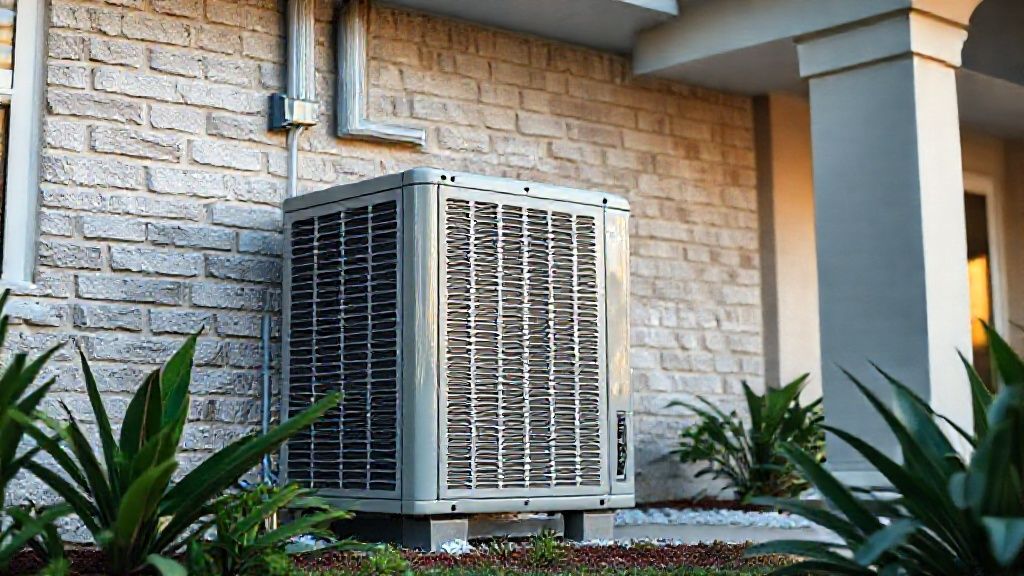
So, you want to learn how to start an HVAC business? Good for you. It’s a solid trade with high demand, but success isn’t automatic. You need a plan, the right tools, and a commitment to doing things the right way. I’m going to walk you through the key steps to get your HVAC business off the ground.
1. Develop a Solid Business Plan
Before you turn a single screw, you need a business plan. This isn’t just some academic exercise; it’s your roadmap. Outline your goals, target market, services offered, pricing strategy, and financial projections. Know your competition and how you’ll stand out. A well-thought-out plan will guide your decisions and help you secure funding if needed. It will also help you define your hvac local marketing provider focus. A solid business plan also helps to solidify your hvac local marketing service by clarifying how you will operate and what makes you different.
2. Secure Funding and Capital
Starting any business requires capital. Calculate your startup costs carefully, including equipment, vehicles, insurance, licensing, and initial marketing expenses. Explore funding options such as small business loans, lines of credit, or even personal investment. Having enough capital is crucial for managing cash flow in the early stages. Look into local banks and credit unions for the best rates and terms. Don’t forget to ask about any small business grants that might be available in your area.
3. Obtain Necessary Licenses and Permits
HVAC work requires specific licenses and permits, which vary by state and locality. Typically, you’ll need an HVAC contractor license, a business license, and EPA certifications for handling refrigerants. Research the requirements in your area and ensure you comply with all regulations. Operating without the proper credentials can lead to hefty fines and legal trouble. Contact your local licensing board and EPA office to get the specifics for your region.
4. Choose a Business Structure
Decide on the legal structure of your business: sole proprietorship, partnership, LLC, or corporation. Each structure has different implications for liability, taxation, and administrative requirements. An LLC (Limited Liability Company) is often a good choice for HVAC businesses, providing liability protection without the complexities of a corporation. Consult with a legal professional to determine the best structure for your specific needs.
5. Register Your Business Name
Select a memorable and professional business name, then register it with your state or local government. Ensure the name isn’t already in use and consider trademarking it to protect your brand. Your business name will be a key part of your identity and marketing efforts, so choose wisely. Also, secure a domain name that matches your business name for your website.
6. Obtain Insurance
Insurance is non-negotiable. You need general liability insurance to protect against accidents and injuries, workers’ compensation insurance if you have employees, and commercial auto insurance for your work vehicles. Professional liability insurance (also known as errors and omissions insurance) is also a smart idea. Shop around for the best rates and coverage. Insurance protects your business from potentially devastating financial losses.
7. Establish Supplier Relationships
Building relationships with reliable wholesale hvac distributors near me is essential. You need access to quality equipment, parts, and materials at competitive prices. Research different suppliers and negotiate favorable terms. Consider joining industry associations to network with suppliers and access group discounts. Having a solid supply chain ensures you can fulfill customer orders promptly and efficiently. If you specialize, be sure you have access to wholesale hvac ductwork as needed for your projects. Don’t forget to look into wholesale hvac equipment online for those routine supply orders. Sawnee EMC is a good point of contact for understanding electrical requirements.
8. Invest in Essential Tools and Equipment
HVAC work requires specialized tools and equipment, including refrigerant recovery machines, vacuum pumps, leak detectors, and various hand tools. Invest in quality equipment that will last and perform reliably. Consider leasing options to reduce upfront costs. Regularly maintain your tools to ensure they are in good working order. Safety equipment, such as gloves, goggles, and respirators, is also crucial.
9. Hire Qualified Technicians and Staff
Your team is your greatest asset. Hire qualified HVAC technicians with the necessary certifications and experience. Conduct thorough background checks and verify their credentials. Provide ongoing training to keep their skills up-to-date. Also, invest in customer service training for all staff members. A skilled and professional team will enhance your reputation and drive customer satisfaction.
10. Implement Effective Marketing Strategies
Marketing is how you get the word out. Create a professional website showcasing your services and expertise. Use search engine optimization (SEO) to improve your online visibility. Run targeted online advertising campaigns (Google Ads, social media). Leverage local directories and build a strong online presence. Offer promotions and discounts to attract new customers. Don’t underestimate the power of word-of-mouth referrals. That’s why hvac local seo marketing is so critical to success. Also, think about offering a discount to get a new customer to try your hvac local marketing service.
11. Focus on Customer Service
Customer service is paramount in the HVAC industry. Provide prompt, reliable, and courteous service. Respond quickly to inquiries and address customer concerns effectively. Go the extra mile to exceed expectations. Positive customer experiences lead to repeat business and referrals. Implement a system for collecting customer feedback and use it to improve your services. Remember, a happy customer is your best advertisement.
12. Implement Efficient Business Operations
Streamline your business operations to maximize efficiency and profitability. Use software to manage scheduling, invoicing, and customer relationships. Track your expenses and monitor your financial performance closely. Implement quality control procedures to ensure consistent service. Continuously look for ways to improve your processes and reduce costs. Efficient operations will free up your time to focus on growth.
Final Thoughts
Starting an HVAC business requires hard work, dedication, and a strategic approach. By following these steps, you can increase your chances of success and build a thriving business. Remember to stay adaptable, continuously learn, and always put the customer first. Good luck!
FAQ Section
What are the essential licenses and permits needed to start an HVAC business?
The specific licenses and permits vary by state and locality, but generally you’ll need an HVAC contractor license, a business license, and potentially EPA certifications for handling refrigerants. Check with your local and state authorities for specific requirements.
How much capital is required to start an HVAC business?
The amount of capital needed depends on the scope of your business. Costs include licensing fees, insurance, equipment purchases, vehicle expenses, marketing, and initial operating expenses. A detailed business plan will help you estimate your startup costs accurately.
What type of insurance should an HVAC business carry?
Essential insurance coverage includes general liability insurance, workers’ compensation insurance (if you have employees), commercial auto insurance, and professional liability insurance (also known as errors and omissions insurance).
What are some effective marketing strategies for an HVAC business?
Effective marketing strategies include creating a professional website, using search engine optimization (SEO), running online advertising campaigns (Google Ads, social media), leveraging local directories, building a strong online presence, and offering promotions and discounts. Word-of-mouth referrals are also crucial.
How important is customer service in the HVAC industry?
Customer service is paramount. The HVAC industry relies heavily on trust and reputation. Providing excellent customer service, prompt responses, and reliable work will lead to repeat business and positive referrals.