Advanced HVAC Controls Market: Trends and Opportunities for HVAC Contractors
The advanced wholesale hvac controls market is rapidly evolving, presenting significant opportunities for HVAC contractors who are ready to adapt and expand their service offerings. This article will explore the key trends driving this growth, the technologies shaping the future of HVAC, and how you can position your business to capitalize on this expanding market.
Key Highlights:
- The market is being fueled by increasing demand for energy efficiency and the integration of IoT technologies.
- New technologies like smart thermostats, zone control systems, and building automation are changing the landscape.
- HVAC contractors can benefit from offering installation, maintenance, and retrofitting services for these systems.
- Success requires training and expertise in these advanced technologies.
- Looking ahead, AI and predictive maintenance will play a crucial role in HVAC control.
The Rise of Advanced HVAC Controls
Traditional HVAC systems often operate with limited feedback and control, resulting in energy waste and inconsistent comfort. Advanced HVAC controls address these shortcomings by incorporating sensors, microprocessors, and communication technologies to optimize system performance in real-time. These systems can monitor temperature, humidity, occupancy, and other factors to adjust heating and cooling output, ensuring efficient operation and a comfortable indoor environment. The trend toward more sophisticated control systems is undeniable, driven by both consumer demand and regulatory pressures.
Key Market Drivers: Energy Efficiency and IoT
Two major factors are propelling the advanced HVAC controls market forward: the growing emphasis on energy efficiency and the proliferation of Internet of Things (IoT) devices. Energy efficiency is no longer just a buzzword; it’s a critical concern for homeowners, businesses, and governments alike. Rising energy costs and increasing awareness of environmental impact are driving demand for systems that minimize energy consumption. Advanced controls play a key role by optimizing HVAC operation based on actual needs, reducing waste and lowering utility bills. This links strongly to What Type of Business is HVAC? Understanding the HVAC Industry.
The rise of IoT has further accelerated the adoption of advanced HVAC controls. IoT enables seamless communication between devices, allowing HVAC systems to be integrated with other building systems, such as lighting, security, and energy management. This integration enables centralized control and automation, creating smarter, more efficient buildings. Smart thermostats, for example, allow homeowners to remotely monitor and adjust their HVAC systems from their smartphones, providing unprecedented control and convenience.
Emerging Technologies in HVAC Control Systems
Several innovative technologies are transforming the landscape of HVAC control systems. Here are a few key examples:
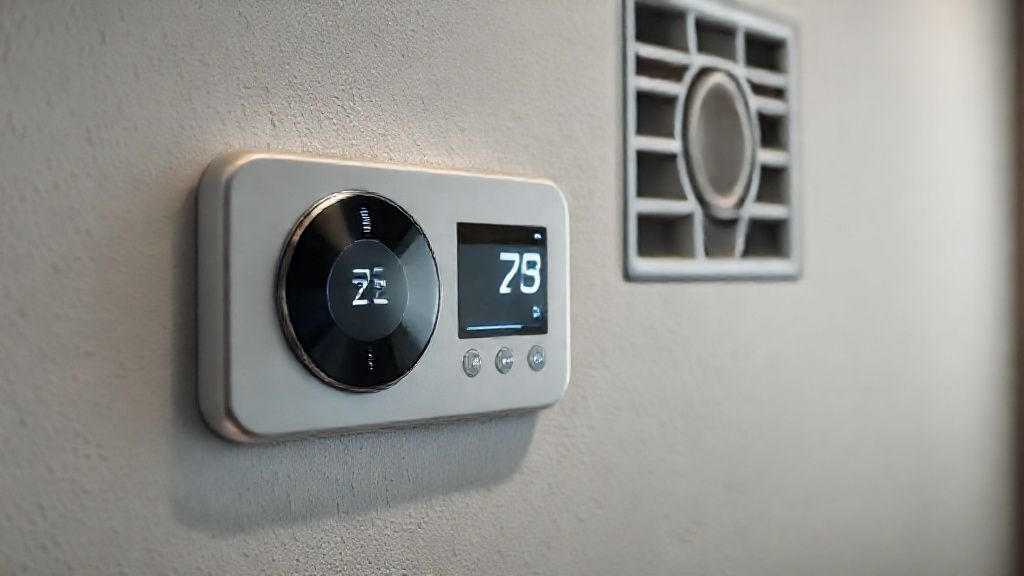
- Smart Thermostats: These devices learn user preferences and automatically adjust temperature settings to optimize comfort and energy savings.
- Zone Control Systems: These systems allow independent temperature control in different areas of a building, enabling targeted heating and cooling for improved comfort and efficiency.
- Building Automation Systems (BAS): BAS integrate HVAC systems with other building systems, such as lighting, security, and access control, to create a holistic management platform. AHRI Certification can play a role here in ensuring proper integration and performance.
- Variable Frequency Drives (VFDs): VFDs control the speed of motors in HVAC equipment, allowing for precise adjustment of airflow and cooling capacity based on real-time needs.
- Wireless Sensors: Wireless sensors provide real-time data on temperature, humidity, occupancy, and other factors, enabling more accurate and responsive control.
Opportunities for HVAC Contractors: Installation, Maintenance, and Retrofitting
The advanced HVAC controls market presents numerous opportunities for HVAC contractors who are willing to invest in the necessary training and equipment. Here are some key areas to focus on:
Installation
As demand for advanced control systems grows, so too will the need for qualified installers. Contractors who can demonstrate expertise in installing smart thermostats, zone control systems, and building automation systems will be well-positioned to capture a significant share of this market. This is where you can grow your business using concepts from How to Effectively Advertise Your HVAC Business: Strategies for Growth.
Maintenance
Advanced HVAC control systems require regular maintenance to ensure optimal performance. Contractors can offer preventative maintenance services, such as sensor calibration, software updates, and system diagnostics, to keep these systems running smoothly and efficiently. Consider also the importance of wholesale hvac supplies for maintaining these systems.
Retrofitting
Many existing buildings can benefit from retrofitting with advanced HVAC controls. Contractors can offer retrofit services to upgrade older systems with smart thermostats, zone control systems, and other technologies to improve energy efficiency and comfort. Retrofitting can provide a significant return on investment for building owners by reducing energy consumption and lowering utility bills.
Navigating the Challenges: Training and Expertise
While the advanced HVAC controls market offers significant opportunities, it also presents some challenges. One of the biggest challenges is the need for specialized training and expertise. Advanced control systems are more complex than traditional systems, requiring contractors to have a thorough understanding of electronics, networking, and software programming. To succeed in this market, contractors must invest in ongoing training and education to stay up-to-date with the latest technologies and best practices. You might consider How to Start an HVAC Business in Virginia: A Comprehensive Guide as a possible location to start.
Several resources are available to help contractors acquire the necessary skills and knowledge. Manufacturers of advanced control systems often offer training programs on their products. Industry associations, such as the Air Conditioning Contractors of America (ACCA), also provide training and certification programs. Online courses and webinars are another convenient way to learn about advanced HVAC controls.
Case Studies: Successful Implementation of Advanced Controls
To illustrate the benefits of advanced HVAC controls, consider the following case studies:
- A commercial office building in Chicago retrofitted its HVAC system with a building automation system (BAS). The BAS integrated the HVAC system with lighting and security systems, allowing for centralized control and automation. As a result, the building reduced its energy consumption by 20% and lowered its utility bills by $50,000 per year.
- A homeowner in Phoenix installed a smart thermostat that learned her temperature preferences and automatically adjusted the HVAC system accordingly. The smart thermostat also provided remote access and control via her smartphone. As a result, the homeowner reduced her energy consumption by 15% and saved $300 per year on her utility bills.
- A school district in California implemented a zone control system in its classrooms. The zone control system allowed teachers to independently control the temperature in their classrooms, creating a more comfortable learning environment. The school district also saved money on energy costs by only heating and cooling the classrooms that were in use.
Future Trends: AI and Predictive Maintenance
Looking ahead, artificial intelligence (AI) and predictive maintenance are poised to play an increasingly important role in the advanced HVAC controls market. AI can be used to analyze large amounts of data from sensors and other sources to optimize HVAC system performance in real-time. For example, AI can predict when a piece of equipment is likely to fail and schedule maintenance proactively, preventing costly breakdowns. Predictive maintenance can also identify inefficiencies in the system and recommend adjustments to improve energy efficiency. You can think about this when you buy hvac units wholesale.
As AI technology continues to advance, it will likely become an integral part of advanced HVAC control systems. Contractors who are familiar with AI and machine learning will be well-positioned to offer cutting-edge solutions to their customers.
Resources for Learning More About Advanced HVAC Controls
To stay up-to-date with the latest developments in the advanced HVAC controls market, consider the following resources:
- Industry Associations: ACCA, ASHRAE, and other industry associations offer training, certification, and networking opportunities.
- Manufacturers’ Training Programs: Many manufacturers of advanced control systems offer training programs on their products.
- Online Courses and Webinars: Several online platforms offer courses and webinars on advanced HVAC controls.
- Industry Publications: Trade magazines and websites provide news and insights on the latest trends and technologies.
Partnering with AC Direct VIP for Advanced Control Solutions
AC Direct VIP can be a valuable partner for HVAC contractors looking to expand their offerings in the advanced HVAC controls market. We offer a wide selection of high-quality control systems from leading manufacturers, along with expert technical support and training resources. By partnering with AC Direct VIP, you can gain a competitive edge and provide your customers with the best possible solutions.
Final Thoughts
The advanced HVAC controls market is a rapidly growing field with immense potential for HVAC contractors. By embracing new technologies, investing in training, and forming strategic partnerships, you can position your business for long-term success in this exciting and evolving industry. Don’t get left behind; start exploring the opportunities in advanced HVAC controls today.
FAQ: Advanced HVAC Controls
What are advanced HVAC controls?
Advanced HVAC controls utilize sophisticated technologies like sensors, algorithms, and connectivity to optimize heating, ventilation, and air conditioning system performance. They offer improved energy efficiency, comfort, and control compared to traditional systems.
What are the benefits of advanced HVAC controls for homeowners and businesses?
Advanced HVAC controls offer numerous benefits including reduced energy consumption and utility bills, improved indoor air quality, enhanced comfort and temperature regulation, remote access and control via mobile devices, and predictive maintenance capabilities to prevent costly breakdowns.
What types of training are available for HVAC contractors to learn about advanced controls?
Several training resources are available, including manufacturer-led training programs, online courses, and industry certifications focused on building automation systems, smart thermostats, and integrated control strategies. AC Direct VIP also offers resources and potential training opportunities.
How can HVAC contractors market advanced HVAC control systems to their customers?
Contractors can emphasize the energy savings, improved comfort, and convenience benefits of advanced controls. Showcasing case studies, offering free energy audits, and partnering with smart home technology providers can also be effective marketing strategies.
What are some common challenges when installing or servicing advanced HVAC control systems?
Common challenges include complex wiring and configuration, compatibility issues between different components, ensuring proper sensor placement, and providing ongoing technical support to customers. Proper training and access to reliable technical resources are crucial for overcoming these challenges.