Here’s what you need to know about running a successful HVAC business. It’s more than just fixing AC units; it’s about understanding the market, managing operations, and keeping up with the latest trends.
Key Highlights for HVAC Contractors
- Core Services: Installation, maintenance, and repair of heating, ventilation, and air conditioning systems.
- Business Operations: Efficient scheduling, inventory control, CRM, and effective marketing are crucial.
- Industry Challenges: Seasonal demands, competition, and the need for skilled technicians are ongoing hurdles.
- Growth Strategies: Expanding services, targeting niche markets, and building strong customer relationships.
- Future Trends: Smart HVAC systems, energy-efficient tech, and improved air quality solutions are on the rise.
Core Services Offered by HVAC Businesses
At the heart of any HVAC business is the range of services it offers. These services generally fall into three main categories: installation, maintenance, and repair. Installation involves setting up new HVAC systems in residential or commercial buildings. This requires expertise in selecting the right equipment, sizing it appropriately for the space, and ensuring it’s installed according to local codes and regulations. As an HVAC contractor, you should also Can You Start an HVAC Business Without a License? Requirements & Regulations.
Maintenance is about keeping existing systems running smoothly. This includes routine check-ups, cleaning, and replacing worn parts. Regular maintenance not only extends the lifespan of HVAC equipment but also improves its efficiency, saving customers money on their energy bills. Offering maintenance contracts can provide a steady stream of revenue for your business.
Repair services are needed when HVAC systems break down. This can range from simple fixes, like replacing a faulty thermostat, to more complex repairs, like fixing a compressor or a heat exchanger. Quick, reliable repair service is essential for building a good reputation and gaining repeat customers.
Beyond these core services, many HVAC businesses also offer specialized services such as duct cleaning, indoor air quality assessments, and the installation of smart thermostats and zoning systems. Diversifying your service offerings can help you attract a wider range of customers and increase your revenue potential.
Essential Business Operations for HVAC Companies
Running a successful HVAC business requires more than just technical expertise. It also demands efficient business operations. One of the most important aspects is scheduling. You need a system that allows you to manage appointments, dispatch technicians, and track job progress efficiently. This may involve using specialized software or a dedicated scheduling team.
Inventory management is another critical area. You need to keep track of your stock of parts and equipment to ensure you have what you need when you need it. This can prevent delays and keep your technicians productive. Consider implementing an inventory management system that integrates with your accounting and scheduling software.
Customer relationship management (CRM) is also essential. A good CRM system helps you manage customer data, track interactions, and provide personalized service. This can improve customer satisfaction and lead to repeat business. CRM software can also help you manage leads and track your marketing efforts.
Accurate accounting is crucial for understanding your business’s financial performance. You need to track your income, expenses, and cash flow to make informed decisions. Consider using accounting software or hiring a bookkeeper to help you manage your finances. When you are choosing suppliers, remember to hvac wholesale distributor.
Finally, marketing is essential for attracting new customers. You need a solid marketing strategy that includes online and offline tactics. This may involve creating a website, running online ads, sending out direct mail, and participating in local events. Also consider investing in HVAC SEO Marketing Companies: Grow Your Business Online.
Key Challenges and Opportunities in the HVAC Industry
The HVAC industry presents both challenges and opportunities for contractors. One of the biggest challenges is the seasonal nature of the business. Demand for heating and cooling services tends to peak during the summer and winter months, with slower periods in the spring and fall. This can make it difficult to maintain a steady flow of revenue throughout the year. To address this, consider offering maintenance contracts or promoting off-season services, such as duct cleaning or indoor air quality assessments.
Competition is another significant challenge. The HVAC industry is highly competitive, with many contractors vying for the same customers. To stand out from the competition, you need to differentiate yourself by offering superior service, competitive pricing, or specialized expertise. Building a strong brand and reputation can also help you attract and retain customers.
Finding and retaining skilled technicians is another ongoing challenge. The HVAC industry requires specialized knowledge and skills, and qualified technicians are in high demand. To attract and retain top talent, you need to offer competitive wages, benefits, and opportunities for training and advancement. Investing in your employees can also improve their morale and productivity.
Despite these challenges, the HVAC industry also offers many opportunities for growth. One of the biggest opportunities is the increasing demand for energy-efficient HVAC systems. As energy costs rise and consumers become more environmentally conscious, they are increasingly looking for ways to reduce their energy consumption. By offering energy-efficient HVAC systems and promoting their benefits, you can attract a growing segment of the market. Consider referencing Tacoma Power for local energy guidelines.
Another opportunity is the growing demand for indoor air quality solutions. As people spend more time indoors, they are becoming more aware of the importance of indoor air quality. By offering services such as air duct cleaning, air purification, and humidification, you can help your customers improve their indoor air quality and protect their health.
Growth Strategies for HVAC Businesses
To grow your HVAC business, you need a strategic plan that focuses on expanding your services, targeting niche markets, and building strong customer relationships. One way to expand your services is to offer additional HVAC-related services, such as duct cleaning, indoor air quality assessments, or smart home integration.
Another strategy is to target niche markets. For example, you could specialize in green HVAC solutions, such as solar-powered HVAC systems or geothermal heat pumps. Or you could focus on serving specific types of customers, such as high-end homeowners or small business owners. Niche marketing allows you to focus your resources and expertise on a specific segment of the market, which can make it easier to attract and retain customers. And remember to review the hvac wholesale direct reviews before making any commitments.
Building strong customer relationships is also essential for growth. This involves providing excellent service, communicating effectively, and going the extra mile to meet your customers’ needs. Consider implementing a customer loyalty program to reward repeat customers. You can also ask for referrals and testimonials to help spread the word about your business.
Developing partnerships with builders and other related trades can also help you grow your business. By partnering with builders, you can get in on new construction projects and gain access to a steady stream of customers. You can also partner with plumbers, electricians, and other contractors to offer a comprehensive range of home services.
Finally, investing in marketing and advertising is crucial for growth. You need to promote your business through various channels, such as online advertising, social media, direct mail, and local events. Consider working with a marketing agency that specializes in the HVAC industry to develop a comprehensive marketing plan.
The Future of HVAC: Trends and Technologies
The HVAC industry is constantly evolving, with new technologies and trends emerging all the time. To stay competitive, you need to stay abreast of these developments and adapt your business accordingly. One of the most significant trends is the rise of smart HVAC systems. These systems use sensors, data analytics, and cloud connectivity to optimize performance and energy efficiency.
Smart thermostats, for example, can learn your heating and cooling preferences and automatically adjust the temperature to maximize comfort and minimize energy consumption. Smart HVAC systems can also detect problems early on and alert you to potential issues before they become major repairs. Offering smart HVAC systems can help you attract tech-savvy customers who are looking for the latest and greatest in home automation.
Another important trend is the increasing demand for energy-efficient technologies. As energy costs rise and environmental concerns grow, consumers are increasingly looking for ways to reduce their carbon footprint. Energy-efficient HVAC systems, such as heat pumps and high-efficiency furnaces, can significantly reduce energy consumption and save homeowners money on their utility bills.
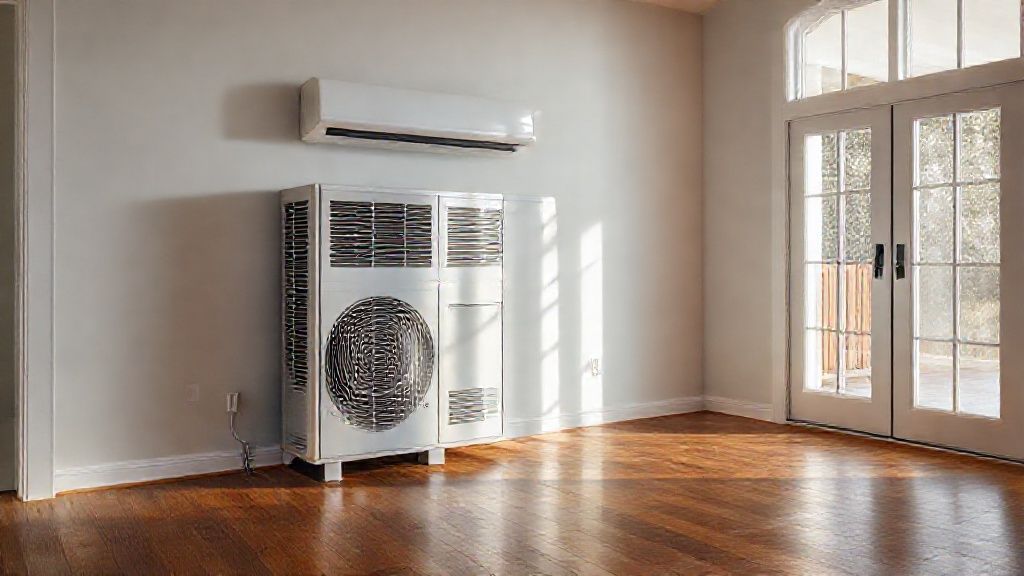
Ductless mini-split systems are also gaining in popularity. These systems are ideal for homes without ductwork or for adding heating and cooling to specific rooms. Ductless mini-split systems are energy-efficient, quiet, and easy to install, making them a popular choice for homeowners who want to improve their comfort without undertaking a major renovation.
Improved indoor air quality solutions are also becoming increasingly important. As people spend more time indoors, they are more concerned about the air they breathe. Air purifiers, humidifiers, and dehumidifiers can help improve indoor air quality and reduce the risk of respiratory problems. Offering these solutions can help you attract customers who are concerned about their health and well-being.
Finally, the use of data analytics for predictive maintenance is on the rise. By analyzing data from HVAC systems, you can identify potential problems before they occur and schedule maintenance proactively. This can prevent breakdowns, extend the lifespan of equipment, and improve customer satisfaction. HVAC Marketing Strategies: Proven Tactics for Contractor Growth includes understanding the role data plays.
Final Thoughts
Running a successful HVAC business requires a combination of technical expertise, business acumen, and a commitment to customer service. By focusing on providing high-quality services, managing your business efficiently, and staying abreast of the latest trends and technologies, you can build a thriving business that meets the needs of your customers and contributes to a more sustainable future. Remember to adjust your marketing for hvac wholesale distributors list.
FAQ Section
What are the core services offered by an HVAC business?
HVAC businesses typically offer installation, maintenance, and repair services for heating, ventilation, and air conditioning systems. This includes furnaces, air conditioners, heat pumps, ductwork, and indoor air quality solutions.
What are the most important business operations for a successful HVAC company?
Essential business operations include effective scheduling, inventory management, customer relationship management (CRM), accurate accounting, and robust marketing strategies. These elements ensure efficiency, profitability, and customer satisfaction.
What are some common challenges HVAC businesses face?
HVAC businesses often encounter challenges like seasonal demand fluctuations, competition from other contractors, difficulty finding and retaining skilled technicians, and keeping up with the latest industry technologies and regulations.
How can an HVAC business grow and expand its operations?
Growth strategies for HVAC businesses include expanding service offerings, targeting niche markets (e.g., green HVAC solutions), investing in marketing and advertising, building strong customer relationships through loyalty programs, and developing partnerships with builders and other related trades.
What are some emerging trends and technologies shaping the future of the HVAC industry?
Emerging trends include smart HVAC systems, energy-efficient technologies, ductless mini-split systems, improved indoor air quality solutions, and the use of data analytics for predictive maintenance. Staying abreast of these trends is crucial for maintaining a competitive edge.