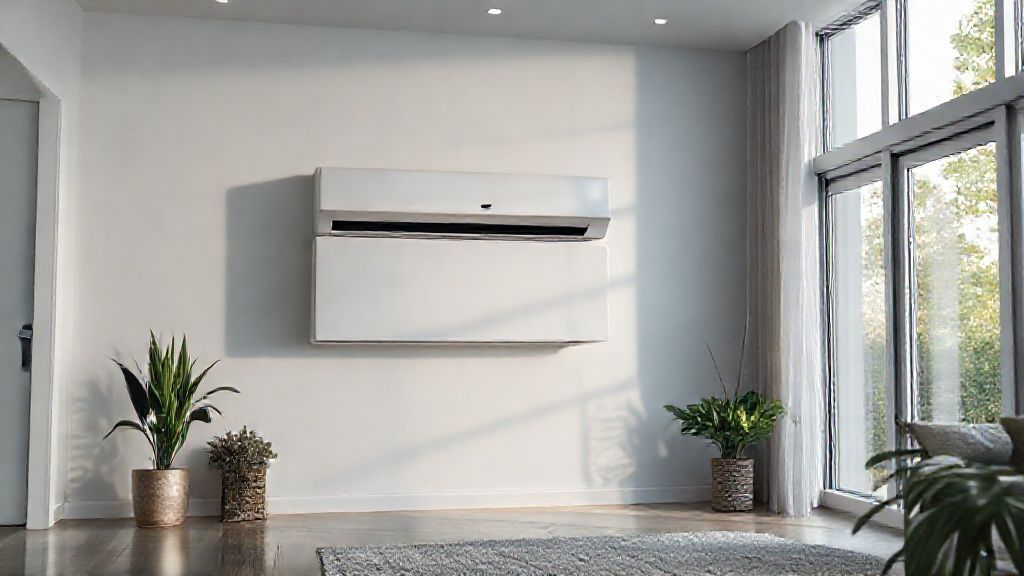
HVAC Systems Market Trends: Opportunities for HVAC Contractors
The HVAC systems market is constantly evolving, driven by technological advancements, changing regulations, and shifting consumer preferences. For HVAC contractors, staying informed about these trends is crucial for business growth and success. This article provides a comprehensive overview of the current market landscape, emerging trends, and actionable strategies to help you capitalize on new opportunities.
Key Highlights:
- Market Growth: Understand the key drivers and restraints influencing the HVAC systems How to Value Your HVAC Business: A Comprehensive Guide for Contractors.
- Technological Advancements: Explore the latest innovations in HVAC technology and their impact on the market.
- Regulatory Landscape: Learn how regulations and energy efficiency standards are shaping the industry.
- Contractor Opportunities: Identify specific opportunities for HVAC contractors in a changing market.
- Strategic Planning: Develop strategies to capitalize on market trends and gain a competitive edge.
Current State of the HVAC Systems Market
The HVAC systems market is currently experiencing steady growth, fueled by a combination of factors. Rising disposable incomes in developing countries are driving demand for HVAC solutions. Increased urbanization and the construction of new residential and commercial buildings are also contributing to market expansion. Consumers are also more aware of energy-efficient solutions hvac wholesale supply. This awareness is increasing demand for more advanced systems.
Key Market Drivers and Restraints
Market Drivers:
- Rising Disposable Incomes: Increased purchasing power in emerging markets is driving demand for HVAC systems.
- Increasing Urbanization: The growth of cities and the construction of new buildings require HVAC solutions.
- Growing Awareness of Energy Efficiency: Consumers are increasingly seeking energy-efficient systems to reduce utility bills and environmental impact.
- Government Regulations: Regulations promoting energy-efficient buildings and equipment are driving market growth.
Market Restraints:
- Fluctuating Raw Material Prices: Price volatility in materials like steel, copper, and aluminum can impact manufacturing costs and market prices.
- Stringent Environmental Regulations: Regulations on refrigerants and energy efficiency can increase the cost of compliance for manufacturers and contractors.
- Increasing Competition: The market is becoming more competitive, with both domestic and international players vying for market share.
Emerging Trends in HVAC Technology
Technological advancements are rapidly transforming the HVAC industry. Here are some of the most significant emerging trends:
Heat Pumps:
Heat pumps are gaining popularity as energy-efficient alternatives to traditional furnaces and air conditioners. They offer both heating and cooling capabilities, making them a versatile solution for various climates. Contractors who understand heat pump technology have a distinct advantage.
Smart Thermostats:
Smart thermostats are becoming increasingly common in homes and businesses. They offer features such as remote control, energy monitoring, and automated scheduling, helping consumers optimize their energy consumption and comfort levels. It is critical to stay on top of the tech in the hvac wholesale near me.
Variable Refrigerant Flow (VRF) Systems:
VRF systems offer precise temperature control and energy efficiency, making them ideal for commercial buildings and multi-zone residential applications. They allow for simultaneous heating and cooling in different zones, providing customized comfort and energy savings.
Internet of Things (IoT) Integration:
The integration of IoT technology into HVAC systems enables remote monitoring, diagnostics, and control. This allows for proactive maintenance, improved energy efficiency, and enhanced system performance. This tech continues to evolve, so it is essential to stay current with training.
Impact of Regulations and Energy Efficiency Standards
Government regulations and energy efficiency standards play a significant role in shaping the HVAC systems market. These regulations aim to reduce energy consumption, lower greenhouse gas emissions, and promote the adoption of more environmentally friendly technologies.
For example, regulations such as the ASHRAE Standards set minimum energy efficiency standards for HVAC equipment. These standards require manufacturers to develop and contractors to install more efficient systems. Similarly, refrigerant phase-out regulations are driving the adoption of alternative refrigerants with lower global warming potentials.
Opportunities for HVAC Contractors in a Changing Market
The evolving HVAC systems market presents numerous opportunities for HVAC contractors who are willing to adapt and innovate. Here are some specific areas where you can capitalize on market trends:
Installation of Energy-Efficient Systems:
As demand for energy-efficient HVAC systems increases, contractors who specialize in the installation of heat pumps, high-efficiency furnaces, and smart thermostats will be in high demand. Investing in training and certification programs can help you gain expertise in these areas.
Maintenance and Repair of Advanced Systems:
Advanced HVAC systems require specialized maintenance and repair services. Contractors who have the skills and knowledge to service VRF systems, smart thermostats, and IoT-enabled equipment will have a competitive advantage. Make sure your team gets regular, updated training.
Retrofitting and Upgrading Existing Systems:
Many older buildings have outdated HVAC systems that are inefficient and costly to operate. Offering retrofitting and upgrading services can help building owners improve energy efficiency, reduce operating costs, and enhance indoor air quality. You can also show them the long-term savings in utility costs, making it easier for them to say yes.
Providing Smart Home Integration Services:
As more homes and businesses adopt smart home technology, there is a growing demand for HVAC contractors who can integrate HVAC systems with other smart devices and platforms. Offering smart home integration services can help you attract new customers and increase revenue. You can partner with a local electrician, too.
Strategies for Capitalizing on Market Trends
To effectively capitalize on market trends, HVAC contractors need to develop and implement strategic plans. Here are some key strategies to consider:
Stay Informed:
Continuously monitor industry news, attend trade shows, and participate in training programs to stay informed about the latest trends and technologies. The more you know, the better prepared you will be to handle upcoming trends.
Invest in Training:
Provide ongoing training for your technicians to ensure they have the skills and knowledge to install, maintain, and repair advanced HVAC systems. Training is a solid investment in your company’s future.
Offer Innovative Solutions:
Differentiate your business by offering innovative solutions that meet the evolving needs of your customers. This could include energy-efficient systems, smart home integration services, or customized maintenance plans. Listen to your customers to learn what’s important to them.
Build Strategic Partnerships:
Collaborate with other businesses, such as builders, electricians, and home automation specialists, to expand your reach and offer comprehensive solutions to your customers. Also, building a good relationship with your local bush wholesalers hvac helps ensure you have the right inventory when you need it.
Focus on Customer Service:
Provide excellent customer service to build trust and loyalty. Happy customers are more likely to recommend your business to others and become repeat customers. Make sure your team knows how important customer service is.
Market Outlook and Future Projections
The HVAC systems market is expected to continue growing in the coming years, driven by factors such as increasing urbanization, rising disposable incomes, and growing awareness of energy efficiency. Technological advancements and government regulations will also play a significant role in shaping the market. This means that HVAC contractors who are prepared to adapt and innovate will have ample opportunities for growth and success.
Pay attention to the direction the industry is headed in your area to make the best decisions for your business. Be aware of the latest marketing advice to help you stand out in the crowded field of hvac marketing firm.
Resources for Staying Informed
Staying informed about the latest trends and developments in the HVAC systems market is essential for HVAC contractors. Here are some valuable resources to help you stay up-to-date:
- Industry Associations: Join industry associations such as ACCA (Air Conditioning Contractors of America) and ASHRAE Standards to access valuable resources, training programs, and networking opportunities.
- Trade Publications: Subscribe to trade publications such as ACHR News and Contracting Business to stay informed about industry news, trends, and best practices.
- Online Resources: Utilize online resources such as industry websites, blogs, and forums to access information and connect with other professionals.
- Trade Shows and Conferences: Attend trade shows and conferences such as the AHR Expo to see the latest products and technologies and learn from industry experts.
Final Thoughts
The HVAC systems market is dynamic and constantly evolving. By staying informed about market trends, investing in training, and offering innovative solutions, HVAC contractors can position themselves for long-term success. Embrace the opportunities presented by a changing market and build a thriving business that meets the evolving needs of your customers.
Before you start, it’s important to understand all the steps involved in How to Start an HVAC Business in Colorado: A Step-by-Step Guide. Knowing how to plan ahead can set you up for success.
FAQ
What are the major factors driving growth in the HVAC systems market?
Key drivers include rising disposable incomes, increasing urbanization, growing awareness of energy efficiency, and government regulations promoting energy-efficient systems.
What are some of the biggest challenges facing the HVAC systems market?
Challenges include fluctuating raw material prices, stringent environmental regulations, and increasing competition from international players.
How are government regulations impacting the HVAC systems market?
Regulations such as energy efficiency standards and refrigerant phase-outs are pushing manufacturers to develop and contractors to install more efficient and environmentally friendly systems.
What types of HVAC systems are experiencing the most growth?
Heat pumps, smart thermostats, and VRF/VRV systems are experiencing significant growth due to their energy efficiency, advanced features, and ability to provide customized comfort.
How can HVAC contractors benefit from these market trends?
By staying informed about the latest trends, investing in training, and offering innovative solutions, HVAC contractors can attract new customers, increase revenue, and build a competitive advantage.