HVAC Control System Market Trends and Opportunities for HVAC Contractors
The HVAC (heating, ventilation, and air conditioning) control system market is undergoing rapid transformation, driven by technological advancements and increasing demand for energy-efficient solutions. As an HVAC contractor, understanding these trends is crucial for staying competitive and capitalizing on new opportunities. This article provides a detailed overview of the HVAC control system market, highlighting key drivers, emerging technologies, regional dynamics, and strategies for success.
- Market Growth: The HVAC control system market is experiencing substantial growth due to rising energy costs and stringent environmental regulations.
- Technological Advancements: IoT integration, smart thermostats, and advanced sensors are revolutionizing HVAC control systems.
- Opportunities for Contractors: HVAC contractors can expand their service offerings to include installation, maintenance, and optimization of advanced control systems.
- Challenges: Contractors must stay updated with the latest technologies and address cybersecurity concerns to succeed in this evolving market.
Overview of the HVAC Control System Market
The HVAC control system market encompasses a wide range of products and services designed to optimize the performance and energy efficiency of HVAC systems. These systems regulate temperature, humidity, airflow, and air quality, ensuring comfortable and healthy indoor environments. The market includes components such as thermostats, sensors, dampers, actuators, and central controllers.
The increasing focus on energy conservation and the integration of smart technologies are driving the demand for advanced HVAC control systems. Buildings account for a significant portion of global energy consumption, and efficient HVAC systems are essential for reducing this impact. Additionally, government incentives and rebates for energy-efficient upgrades further stimulate market growth. Check out the DSIRE Incentives Database for more information on government incentives.
Key Market Drivers and Restraints
Market Drivers
- Rising Energy Costs: As energy prices continue to climb, businesses and homeowners are seeking ways to reduce their energy consumption and lower their utility bills.
- Stringent Environmental Regulations: Governments worldwide are implementing stricter regulations to reduce greenhouse gas emissions and promote energy efficiency.
- Increasing Demand for Smart Buildings: The growing adoption of smart building technologies, including smart thermostats and automated control systems, is driving market growth.
- Technological Advancements: Innovations in sensor technology, wireless communication, and data analytics are enabling more sophisticated and efficient HVAC control systems.
Market Restraints
- High Initial Costs: The upfront investment required for advanced HVAC control systems can be a barrier for some customers.
- Complexity of Installation and Maintenance: Installing and maintaining these systems requires specialized skills and expertise, which can be a challenge for some contractors.
- Cybersecurity Concerns: The integration of IoT devices raises concerns about data security and vulnerability to cyberattacks.
Emerging Technologies in HVAC Controls
Several emerging technologies are transforming the HVAC control system market. These include:
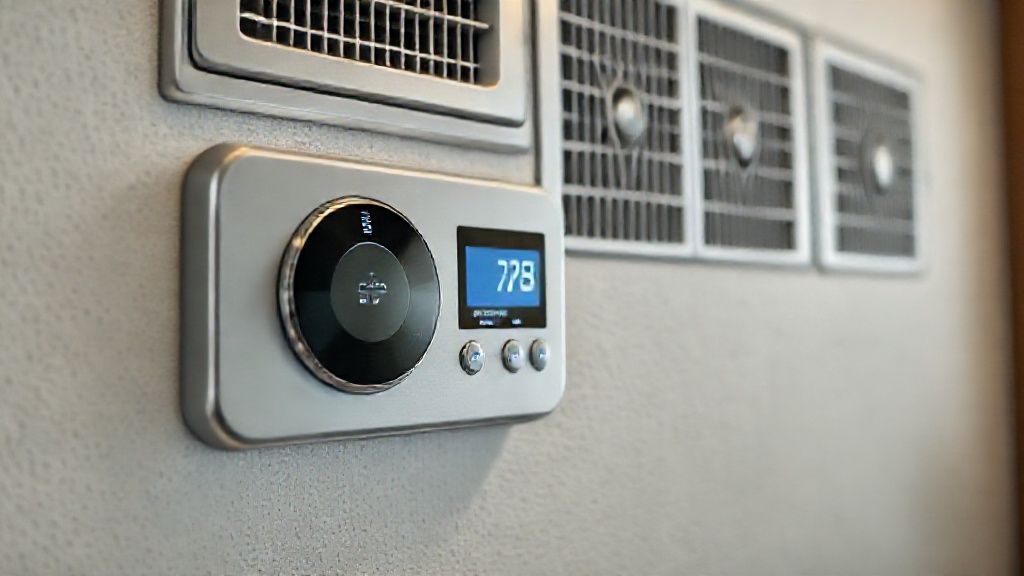
- Smart Thermostats: Smart thermostats offer features such as programmable schedules, remote access, energy usage tracking, and learning capabilities. They can automatically adjust temperature settings based on occupancy patterns and weather conditions, optimizing energy efficiency and comfort.
- Advanced Sensors: Advanced sensors can monitor a wide range of parameters, including temperature, humidity, CO2 levels, and air quality. This data can be used to optimize HVAC system performance and ensure healthy indoor environments.
- Zoning Systems: Zoning systems allow for independent temperature control in different areas of a building. This improves comfort, reduces energy waste, and caters to individual preferences.
- Predictive Maintenance: Predictive maintenance uses data analytics to identify potential equipment failures before they occur. This allows for proactive maintenance, reducing downtime and extending the lifespan of HVAC systems.
Impact of IoT and Smart Home Integration
The Internet of Things (IoT) is having a profound impact on the HVAC control system market. IoT enables remote monitoring, control, and data analysis of HVAC systems, leading to increased energy efficiency, predictive maintenance, and improved user comfort.
Smart home integration allows homeowners to control their HVAC systems from their smartphones or other devices. They can adjust temperature settings, set schedules, and monitor energy usage remotely. This level of control provides convenience and allows homeowners to optimize their energy consumption based on their individual needs and preferences.
However, the integration of IoT devices also raises cybersecurity concerns. HVAC contractors must implement robust security measures to protect their customers’ data and prevent unauthorized access to their systems.
Market Segmentation by Product Type
The HVAC control system market can be segmented by product type, including:
- Thermostats: Thermostats are the most common type of HVAC control system. They regulate temperature by turning the heating or cooling system on and off.
- Sensors: Sensors monitor various parameters, such as temperature, humidity, and air quality. This data is used to optimize HVAC system performance.
- Dampers: Dampers control airflow within the HVAC system. They can be used to regulate temperature in different zones of a building.
- Actuators: Actuators are used to control the position of dampers and valves. They are typically controlled by a central controller.
- Central Controllers: Central controllers are the brains of the HVAC control system. They collect data from sensors and use it to control the operation of the HVAC system.
Regional Market Analysis
The HVAC control system market varies significantly by region, influenced by factors such as climate, building codes, and economic conditions. North America and Europe are the largest markets, driven by stringent energy efficiency standards and increasing demand for smart building technologies.
The Asia-Pacific region is experiencing rapid growth due to increasing urbanization and industrialization. China and India are key markets, driven by government initiatives to promote energy conservation and improve air quality. Latin America and the Middle East are also experiencing growth, driven by increasing construction activity and rising energy costs.
Competitive Landscape
The HVAC control system market is highly competitive, with a mix of large multinational corporations and smaller regional players. Key players include:
- Honeywell International Inc.
- Siemens AG
- Johnson Controls International PLC
- Schneider Electric SE
- Emerson Electric Co.
These companies offer a wide range of HVAC control systems and related services. Competition is based on factors such as product quality, price, innovation, and customer service.
Opportunities for HVAC Contractors
The growing HVAC control system market presents numerous opportunities for HVAC contractors. These include:
- Installation Services: Contractors can offer installation services for advanced HVAC control systems, including smart thermostats, zoning systems, and building automation systems.
- Maintenance and Repair Services: Advanced control systems require specialized maintenance and repair services. Contractors can provide these services to ensure optimal performance and longevity of the systems.
- Energy Audits and Consulting: Contractors can conduct energy audits to identify opportunities for improving energy efficiency and recommend appropriate control system upgrades.
- System Optimization: Contractors can optimize the performance of existing HVAC control systems to maximize energy savings and improve comfort.
HVAC contractors looking for an hvac marketing agency near me should focus on those with specific experience in the HVAC field.
Challenges and Mitigation Strategies
While the HVAC control system market offers significant opportunities, contractors also face several challenges. These include:
- Keeping Up with Technology: The rapid pace of technological change requires contractors to continuously update their knowledge and skills.
- Attracting and Retaining Skilled Technicians: The demand for skilled technicians is high, and contractors must offer competitive wages and benefits to attract and retain talent.
- Managing Cybersecurity Risks: The integration of IoT devices raises cybersecurity concerns, and contractors must implement robust security measures to protect their customers’ data.
To mitigate these challenges, contractors should:
- Invest in training and certification programs for their technicians.
- Develop partnerships with technology providers to stay up-to-date with the latest advancements.
- Implement robust cybersecurity protocols to protect their customers’ data.
When considering wholesale outlet hvac supply, be sure to prioritize suppliers with strong technical support.
Future Trends and Predictions
The HVAC control system market is expected to continue to grow in the coming years, driven by increasing demand for energy-efficient solutions and the ongoing integration of smart technologies. Key trends to watch include:
- Increased Adoption of AI and Machine Learning: AI and machine learning will be used to optimize HVAC system performance and predict maintenance needs.
- Greater Integration with Renewable Energy Sources: HVAC control systems will be integrated with renewable energy sources, such as solar panels, to further reduce energy consumption.
- Focus on Indoor Air Quality: HVAC control systems will play an increasingly important role in monitoring and improving indoor air quality.
- Growing Demand for Wireless and Cloud-Based Solutions: Wireless and cloud-based solutions will provide greater flexibility and scalability for HVAC control systems.
When it comes to wholesale warehouse hvac, it’s essential to prioritize suppliers that offer comprehensive training on new technologies.
If you’re weighing the options of wholesale trane hvac systems, consider the long-term service and support capabilities of the supplier.
For more insights, explore HVAC Parts Markup: How to Price for Profit and Growth to enhance your pricing strategies and boost profitability.
Starting an HVAC business requires careful planning, as outlined in How to Start an HVAC Business in Virginia: A Comprehensive Guide for Contractors.
Final Thoughts
The HVAC control system market presents significant opportunities for HVAC contractors who are willing to adapt to the changing landscape. By staying up-to-date with the latest technologies, investing in training, and focusing on customer service, contractors can position themselves for success in this dynamic and growing market. The integration of smart technologies and the increasing focus on energy efficiency will continue to drive demand for advanced HVAC control systems, creating new opportunities for contractors to expand their service offerings and grow their businesses.
FAQ
What are the key components of an HVAC control system?
An HVAC control system typically includes a thermostat, sensors, dampers, actuators, and a central controller. These components work together to regulate temperature, airflow, and system operation.
How does IoT impact HVAC control systems?
IoT enables remote monitoring, control, and data analysis of HVAC systems. This allows for increased energy efficiency, predictive maintenance, and improved user comfort.
What are the benefits of smart thermostats?
Smart thermostats offer features like programmable schedules, remote access, energy usage tracking, and learning capabilities. They can significantly reduce energy consumption and improve comfort.
What are the advantages of zoning systems in HVAC?
Zoning systems allow for independent temperature control in different areas of a building. This improves comfort, reduces energy waste, and caters to individual preferences.
How can HVAC contractors benefit from the growing HVAC control system market?
HVAC contractors can expand their services to include installation, maintenance, and repair of advanced HVAC control systems. They can also offer energy audits and consulting services to help customers optimize their energy usage.