HVAC Market Size in the US: Trends, Growth, and Opportunities for Contractors
The US HVAC (Heating, Ventilation, and Air Conditioning) market is a dynamic sector, heavily influenced by economic conditions, technological advancements, and regulatory changes. For HVAC contractors, understanding the hvac market is crucial for making informed business decisions, identifying growth opportunities, and staying competitive.
Key Highlights:
- Current Market Size: The US HVAC market is a multi-billion dollar industry, with consistent growth year over year.
- Growth Drivers: Increasing construction, rising incomes, and demand for energy-efficient systems fuel the market.
- Regulatory Impact: Government regulations push for more efficient and environmentally friendly HVAC solutions.
- Opportunities for Contractors: Specialization in energy efficiency, maintenance services, and smart HVAC systems offer significant potential.
- Future Trends: Expect continued growth driven by technology and a focus on sustainability.
Current HVAC Market Size and Valuation in the US
The HVAC market in the United States is substantial and continues to expand. It’s important to stay up-to-date on this information. Contractors need to be aware of the current hvac market to understand the scale of the industry and the potential for their businesses. This knowledge allows for better strategic planning and resource allocation.
Key Growth Drivers in the US HVAC Market
Several factors contribute to the growth of the HVAC market:
- Construction Activity: New residential and commercial construction projects drive demand for HVAC systems. As more buildings are constructed, the need for heating, ventilation, and air conditioning increases proportionally.
- Rising Disposable Incomes: Higher incomes enable consumers to invest in better, more efficient HVAC systems. They are more willing to upgrade older units and invest in advanced features like smart thermostats and zoning systems.
- Demand for Energy-Efficient Systems: With rising energy costs and growing environmental awareness, consumers and businesses seek energy-efficient HVAC solutions. This demand drives the adoption of high-efficiency furnaces, air conditioners, and heat pumps.
- Aging Infrastructure: The need to replace aging HVAC systems in existing buildings supports a significant portion of the market. Older systems are often less efficient and more prone to breakdowns, prompting upgrades to newer, more reliable models.
Impact of Regulations and Standards on Market Growth
Government regulations and industry standards play a crucial role in shaping the HVAC market. Regulations often mandate minimum energy efficiency levels, pushing manufacturers to develop more efficient products. For instance, the phasing out of certain refrigerants due to environmental concerns forces the adoption of alternative, more eco-friendly options. Contractors must stay informed about these changes to ensure they offer compliant and up-to-date solutions.
Opportunities for HVAC Contractors in a Growing Market
The expanding HVAC market presents numerous opportunities for contractors:
- Specialization in Energy-Efficient System Installations: Contractors who specialize in installing high-efficiency HVAC systems can attract customers looking to save on energy costs. Offering expertise in products like heat pumps, geothermal systems, and high-efficiency furnaces can be a strong selling point.
- Providing Maintenance and Repair Services: Regular maintenance and timely repairs are essential for the longevity of HVAC systems. Contractors can build a steady revenue stream by offering maintenance contracts and prompt repair services.
- Targeting Specific Regional Markets: Different regions have varying climates and demands for HVAC systems. Contractors can focus on specific areas with high growth potential or unique needs.
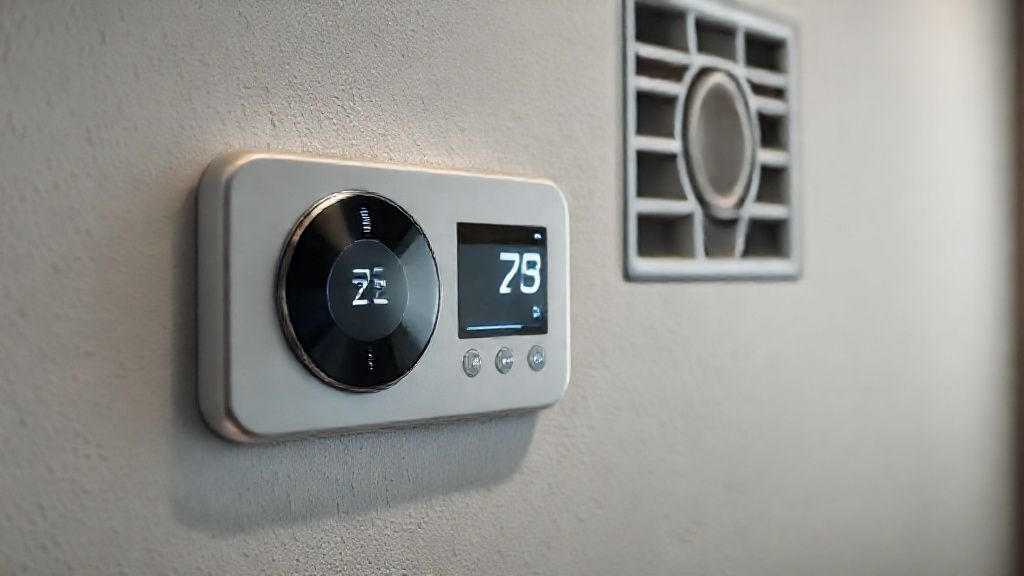
- Adopting New Technologies: Smart HVAC systems, which include features like remote monitoring and automated adjustments, are gaining popularity. Contractors who embrace these technologies can offer advanced solutions that appeal to tech-savvy customers.
Regional Market Analysis: Key Areas for Growth
The HVAC market varies significantly across different regions of the US. Areas with rapid population growth, such as the Sun Belt states (Florida, Texas, Arizona), often see increased demand for HVAC systems in new residential construction. Regions with older housing stock, like the Northeast, present opportunities for replacement and upgrade projects. Understanding these regional dynamics allows contractors to focus their marketing and service efforts where they are most likely to succeed.
Technological Advancements and Their Influence on the Market
Technological advancements are transforming the HVAC industry. Smart thermostats, zoning systems, and advanced filtration technologies are becoming increasingly common. These innovations offer improved energy efficiency, comfort, and indoor air quality. Contractors who stay ahead of these trends can provide cutting-edge solutions that differentiate them from competitors. Keeping up with the hvac marketing strategy is essential for sustained growth.
Challenges and Threats Facing HVAC Contractors
Despite the growth potential, HVAC contractors face several challenges:
- Competition: The HVAC market can be highly competitive, especially in densely populated areas. Contractors need to differentiate themselves through superior service, specialized expertise, or competitive pricing.
- Skilled Labor Shortage: Finding and retaining qualified technicians is an ongoing challenge. Investing in training and offering competitive wages and benefits are crucial for attracting and keeping skilled employees.
- Rising Material Costs: Fluctuations in the cost of materials, such as copper and steel, can impact profitability. Contractors need to manage their supply chains effectively and consider hedging strategies to mitigate price risks.
- Regulatory Compliance: Keeping up with changing regulations and ensuring compliance can be complex and time-consuming. Contractors must invest in training and resources to stay informed and avoid penalties.
Strategies for Capitalizing on Market Growth
To capitalize on the growing HVAC market, contractors should consider the following strategies:
- Develop a Strong Online Presence: A professional website and active social media accounts are essential for reaching potential customers. Online marketing, including search engine optimization (SEO) and pay-per-click (PPC) advertising, can help attract new leads.
- Focus on Customer Service: Excellent customer service is a key differentiator. Providing prompt, reliable, and friendly service can lead to repeat business and positive referrals.
- Offer Financing Options: Many customers appreciate the option to finance new HVAC systems. Partnering with financing providers can make it easier for customers to afford upgrades and repairs.
- Stay Updated on Industry Trends: Attend trade shows, read industry publications, and participate in professional organizations to stay informed about the latest technologies, regulations, and best practices. Consider HVAC Business Certifications: A Comprehensive Guide for Contractors.
- Build Relationships with Suppliers: Strong relationships with hvac wholesale companies can ensure access to quality products and competitive pricing. Consider hvac parts wholesale online or hvac r wholesale supplier.
Future Outlook: Predictions for the US HVAC Market
The US HVAC market is expected to continue growing in the coming years, driven by factors such as increasing construction activity, rising incomes, and a focus on energy efficiency. Technological advancements, such as smart HVAC systems and advanced refrigerants, will play an increasingly important role. Contractors who embrace these trends and adapt their businesses accordingly will be well-positioned for success.
Resources for Staying Informed on Market Trends
Staying informed about market trends and regulations is crucial for HVAC contractors. Here are some valuable resources:
- Industry Publications: Trade magazines and online publications provide updates on market trends, new technologies, and regulatory changes.
- Trade Shows: Attending trade shows offers opportunities to network with industry professionals, learn about new products, and stay updated on the latest trends.
- Professional Organizations: Joining professional organizations provides access to training, resources, and networking opportunities. Consider the Refrigeration Service Engineers Society.
- Government Websites: Government websites offer information on energy efficiency standards, refrigerant regulations, and other relevant policies.
Final Thoughts
The US HVAC market presents significant opportunities for contractors who are willing to adapt and innovate. By staying informed about market trends, embracing new technologies, and focusing on customer service, contractors can position themselves for long-term success in this dynamic industry. Understanding the market and adapting to the changes will allow for a strong path forward.
FAQ Section
What is the current estimated size of the HVAC market in the US?
The HVAC market in the US is currently estimated to be $40 Billion and is projected to grow to $50 Billion by 2028.
What are the main factors driving the growth of the HVAC market in the US?
Key growth drivers include increasing construction activity, rising disposable incomes, growing demand for energy-efficient systems, and stricter environmental regulations.
How are government regulations and standards impacting the HVAC market?
Government regulations, such as energy efficiency standards and refrigerant phase-outs, are driving demand for newer, more efficient HVAC systems and influencing market trends.
What are some of the biggest opportunities for HVAC contractors in the current market?
Opportunities include specializing in energy-efficient system installations, providing maintenance and repair services, targeting specific regional markets with high growth potential, and adopting new technologies like smart HVAC systems.
What resources are available for HVAC contractors to stay informed about market trends and regulations?
HVAC contractors can stay informed by subscribing to industry publications, attending trade shows, joining professional organizations, and monitoring government websites for regulatory updates.