How to Start an HVAC Business in Virginia: A Comprehensive Guide
So, you’re thinking about how to start an HVAC business in Virginia? Good for you. It’s a solid field with plenty of demand, especially if you know what you’re doing and run a tight ship. But don’t jump in without a plan. Here’s a no-nonsense guide to get you started on the right foot. This isn’t just about turning wrenches; it’s about building a sustainable business. And just a note, always stay up to date on changing regulations, as that is a must.
Key Highlights:
- Develop a Business Plan: Lay the foundation for your business with a comprehensive plan.
- Secure Licensing: Understand and obtain the required licenses and permits in Virginia.
- Get Insured: Protect your business with the necessary insurance coverage.
- Choose a Business Structure: Select and register the right business structure for your needs.
- Set Up Banking and Accounting: Establish solid financial practices from the start.
- Acquire Tools and Equipment: Invest in the essential tools for providing quality HVAC services.
- Market Your Business: Attract customers with effective marketing strategies.
- Comply with Regulations: Ensure adherence to Virginia HVAC codes and regulations.
- Provide Great Service: Prioritize customer satisfaction to build a loyal customer base.
- Stay Updated: Commit to ongoing professional development.
Initial Considerations Before Starting an HVAC Business in Virginia
Before you even think about tools or trucks, take a hard look at the market in Virginia. What areas are growing? Where’s the competition thickest? Are there niches you can exploit, like specializing in energy-efficient systems or serving a particular type of client? Knowing the landscape upfront will save you headaches later. Understanding What Type of Business is HVAC? Understanding the HVAC Industry is the first step. Then, know what you’re getting into and what makes you better than the next HVAC company.
Step 1: Develop a Solid Business Plan
A business plan isn’t just paperwork; it’s your roadmap. Include these essentials:
- Executive Summary: A brief overview of your business.
- Company Description: Detail your business’s mission, vision, and values.
- Market Analysis: Research your target market and competition.
- Service Offerings: List the HVAC services you plan to offer.
- Marketing and Sales Strategy: How you plan to attract and retain customers.
- Management Team: Information about your team’s expertise and roles.
- Financial Projections: Forecast your revenue, expenses, and profitability.
Be realistic with your projections. Banks and investors will scrutinize these numbers, and so should you. If you need help, seek out a business advisor. Getting a second opinion is always a good idea. Don’t forget to tailor your business plan to the specific climate and economic conditions of Virginia. Understanding how to navigate this helps greatly.
Step 2: Secure Necessary HVAC Licenses and Permits in Virginia
Virginia doesn’t mess around with licensing. You’ll need to go through the Department of Professional and Occupational Regulation (DPOR). Here’s the breakdown:
- Contractor’s License: This is typically required for HVAC work. The specific class of license depends on the scope of your projects.
- Examination: Prepare to pass an exam that tests your knowledge of HVAC systems, codes, and regulations.
- Experience: You’ll need to demonstrate a certain amount of experience in the field before you can qualify for a license.
- Local Permits: Check with local city and county governments for any additional permits required to operate your business in their area.
Don’t skip this step. Operating without the proper licenses can result in hefty fines and even legal trouble. Stay on top of renewals and any changes to licensing requirements.
Step 3: Obtain Insurance for Your HVAC Business
Insurance is non-negotiable. It protects you from potential disasters that could wipe out your business. Here’s what you need:
- General Liability Insurance: Covers damages or injuries to third parties.
- Workers’ Compensation Insurance: Required if you have employees, covering workplace injuries.
- Commercial Auto Insurance: Covers vehicles used for your business.
- Professional Liability Insurance (Errors and Omissions): Protects you against claims of negligence or mistakes in your work.
Shop around for the best rates and coverage. Consider bundling policies to save money. Don’t skimp on coverage to save a few bucks; it’s not worth the risk. Understanding the scope of your How to Effectively Advertise Your HVAC Business: Strategies for Growth is important.
Step 4: Choose a Business Structure and Register Your Business
Your business structure affects your liability, taxes, and administrative requirements. Here are the common options:
- Sole Proprietorship: Simple to set up, but you’re personally liable for business debts.
- Partnership: Similar to sole proprietorship, but with multiple owners.
- Limited Liability Company (LLC): Protects your personal assets from business debts and lawsuits.
- Corporation: More complex, but offers the most liability protection.
Consult with an attorney or accountant to determine the best structure for your situation. Once you’ve chosen, register your business with the Virginia State Corporation Commission.
Step 5: Set Up Your Business Banking and Accounting
Keep your personal and business finances separate. Open a dedicated business bank account. This simplifies accounting and provides a professional image. Also, implement a solid accounting system from day one. Whether you use accounting software or hire a bookkeeper, accurate financial records are crucial for managing cash flow, taxes, and business performance.
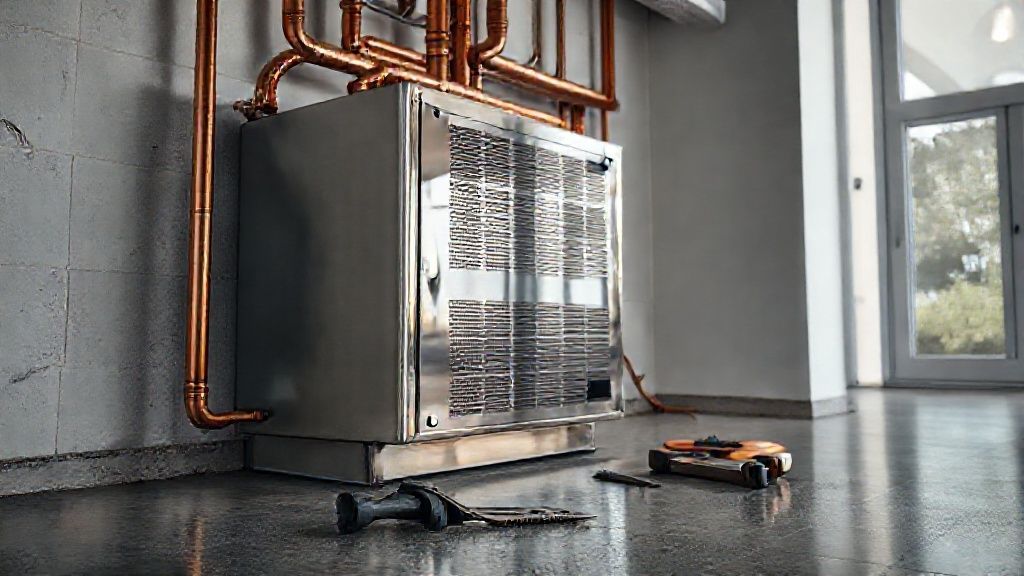
Step 6: Acquire Essential HVAC Tools and Equipment
You can’t fix AC units with your bare hands. Invest in quality tools and equipment. Here’s a starter list:
- Hand Tools: Wrenches, screwdrivers, pliers, etc.
- Testing Equipment: Multimeters, pressure gauges, refrigerant leak detectors.
- Refrigerant Recovery Machine: Essential for handling refrigerants safely and legally.
- Vacuum Pump: For evacuating air and moisture from HVAC systems.
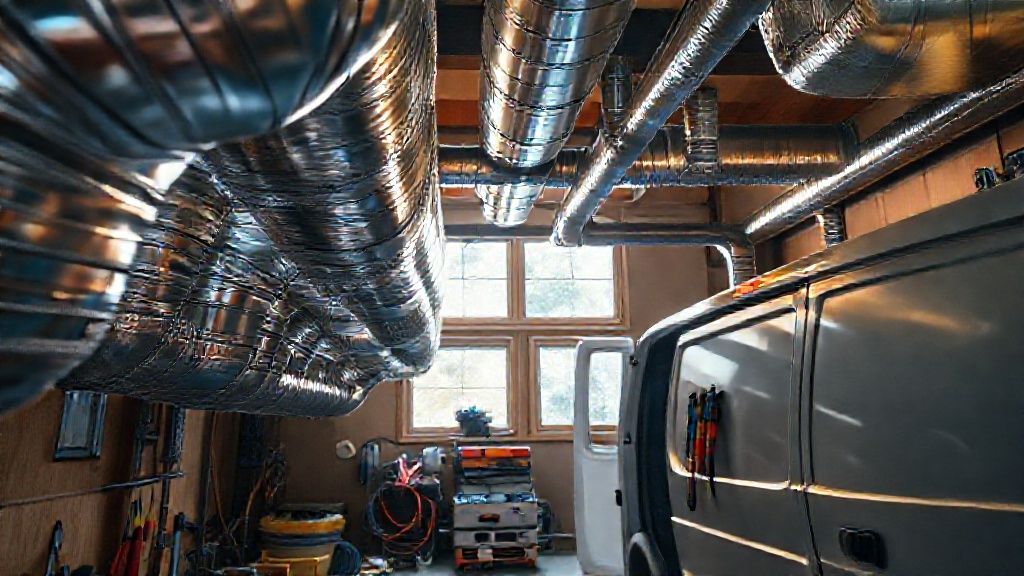
- Vehicle: A reliable van or truck to transport tools and equipment.
Consider buying used equipment to save money, but make sure it’s in good working condition. Lease equipment if you’re short on capital. As your business grows, you can upgrade to newer, more efficient tools.
Step 7: Market Your HVAC Business and Attract Customers
No customers, no business. You need a solid marketing plan. Here are some tactics to consider:
- Website: A professional website is essential. Include information about your services, service area, and contact information.
- Social Media: Use social media platforms to connect with potential customers and build your brand.
- Online Advertising: Run targeted ads on Google and social media.
- Search Engine Optimization (SEO): Optimize your website and online content to rank higher in search results.
- Discounts and Promotions: Offer special deals to attract new customers.
- Networking: Build relationships with builders, contractors, and real estate agents.
- Referral Program: Encourage existing customers to refer new business.
Track your marketing efforts to see what’s working and what’s not. Adjust your strategy as needed. Online presence is a must, especially using an hvac marketing firm.
Step 8: Comply with Virginia HVAC Codes and Regulations
Stay up-to-date with the Virginia Uniform Statewide Building Code (USBC). This code, maintained and updated, with guidelines from the International Code Council, outlines the regulations for HVAC systems. You can find information on the Virginia Department of Housing and Community Development (DHCD) website. Ignoring these codes can lead to fines, legal issues, and unhappy customers.
Attend training sessions and workshops to stay current on code changes. The International Code Council publishes a new version of the International Residential Code every three years and state and local jurisdictions adopt, modify, and enforce these codes.
Step 9: Provide Excellent Customer Service
Happy customers are your best marketing tool. Provide prompt, reliable, and courteous service. Go the extra mile to exceed their expectations. Solicit feedback and address any complaints promptly. Online reviews can make or break your business. Encourage satisfied customers to leave positive reviews on Google, Yelp, and other platforms.
Step 10: Focus on Continued Professional Development
The HVAC industry is constantly evolving. New technologies, refrigerants, and energy-efficient systems are always emerging. Invest in ongoing training and education to stay ahead of the curve. Attend industry conferences, workshops, and online courses. Certifications from organizations like HVAC Excellence can enhance your credibility and expertise. Knowing your trade inside and out will also help you grow the bryant hvac wholesale side of your business.
Final Thoughts
Starting an HVAC business in Virginia takes hard work, dedication, and a solid plan. But with the right approach, you can build a successful and rewarding business. Stay focused on providing excellent service, staying up-to-date with industry changes, and managing your business wisely. The amana hvac wholesale space is always changing, so be sure to be on top of it all!
FAQ Section
What are the primary licensing requirements to operate an HVAC business in Virginia?
In Virginia, you typically need a contractor’s license from the Department of Professional and Occupational Regulation (DPOR). Specific requirements vary depending on the type and scope of HVAC work you intend to perform. You may need to pass an exam and demonstrate experience.
What type of insurance is recommended for HVAC businesses in Virginia?
General liability insurance is essential to cover potential damages or injuries. Workers’ compensation insurance is required if you have employees. Commercial auto insurance is necessary for vehicles used for business purposes. Professional liability insurance (errors and omissions) is also recommended.
How do I create a business plan for my HVAC business in Virginia?
Your business plan should include an executive summary, company description, market analysis, service offerings, marketing and sales strategy, management team information, and financial projections. Consider using a template or consulting with a business advisor.
Where can I find information on Virginia HVAC codes and regulations?
The Virginia Uniform Statewide Building Code (USBC) provides specific regulations for HVAC systems. You can find this information on the Virginia Department of Housing and Community Development (DHCD) website. Stay updated on code changes to ensure compliance. As you grow you can explore topics like bryant hvac wholesalers to broaden your business.
What are some effective marketing strategies for an HVAC business in Virginia?
Consider strategies such as creating a website, using social media, online advertising (Google Ads), local SEO optimization, offering discounts and promotions, networking with builders and contractors, and developing a referral program.