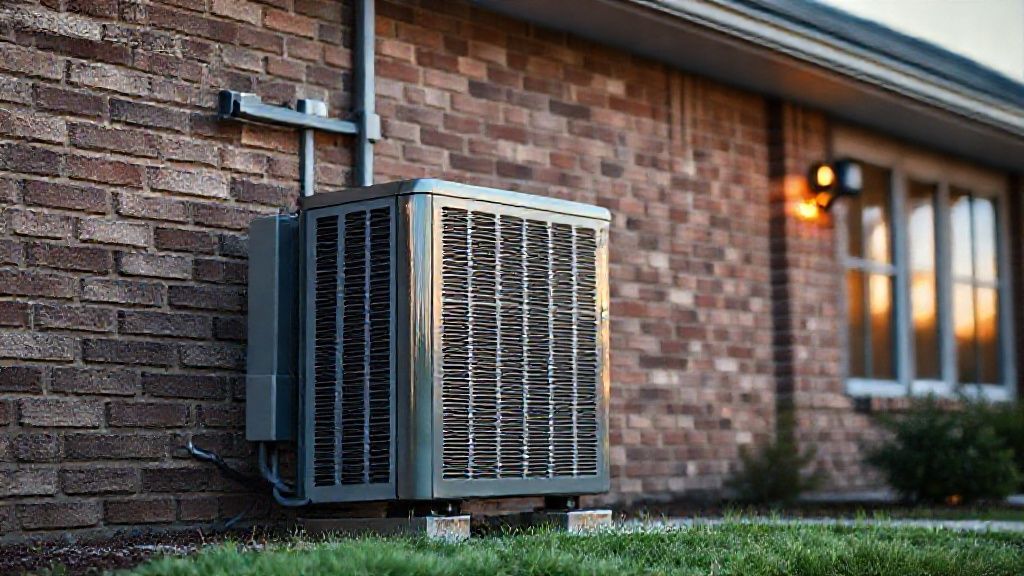
Here’s your guide to starting an HVAC business in Missouri. Missouri presents a solid opportunity for HVAC contractors. The state experiences both hot summers and cold winters, leading to a consistent demand for heating, ventilation, and air conditioning services. But before you jump in, it’s important to understand the specific requirements and strategies for success in this market.
Here are the key highlights to consider:
* Licensing and Regulations: Grasp the local licensing prerequisites and regulations in Missouri.
* Business Planning: Write a detailed business plan to guide your company’s direction.
* Funding and Insurance: Get the money you need to launch, and protect your business with the right insurance.
* Equipment: Secure essential equipment and tools for HVAC services.
* Marketing: Promote your HVAC business to gain customers in Missouri.
* Local Codes: Learn about local codes and permits for HVAC work.
* Hiring: Recruit and oversee qualified HVAC technicians.
* Compliance: Maintain compliance and safety to prevent legal issues.
* Growth: Use resources like AC Direct VIP to grow your business in Missouri.
## Missouri HVAC Business Requirements: Licensing and Regulations
The first step in How to Get More Customers for Your HVAC Business: Proven Strategies is understanding the licensing and regulatory landscape. Unlike some states, Missouri does not have a statewide HVAC license. Instead, licensing is typically handled at the local level, by cities and counties. This means the requirements can vary significantly depending on where you plan to operate.
To get started, contact the city or county government offices in the areas where you intend to work. Ask about specific licensing requirements for HVAC contractors. You’ll likely need to pass an exam covering HVAC principles, local codes, and safety practices. You may also need to provide proof of experience, such as documentation of work hours under a licensed contractor.
It’s important to note that even if a local jurisdiction doesn’t require a specific HVAC license, you’ll likely need a general business license to operate legally. Check with the Missouri Department of Revenue and your local city or county clerk’s office for more information on business licensing requirements.
### Understanding EPA Regulations
Regardless of local licensing, all HVAC contractors who handle refrigerants must comply with Environmental Protection Agency (EPA) regulations. Under Section 608 of the Clean Air Act, you must be certified to purchase, handle, and dispose of refrigerants safely. This requires passing an EPA-approved exam and obtaining a Section 608 certification. Failing to comply with these regulations can result in hefty fines and penalties.
## Developing a Solid Business Plan for Your HVAC Company
A detailed business plan is essential for the success of any new business, and an HVAC company is no exception. Your business plan serves as a roadmap, guiding your decisions and helping you secure funding. It should include the following key elements:
* Executive Summary: A brief overview of your business, its mission, and goals.
* Company Description: Details about your company’s structure, services offered, and target market.
* Market Analysis: An assessment of the HVAC market in your service area, including competitors, customer demographics, and market trends.
* Organization and Management: Information about your company’s management team, organizational structure, and key personnel.
* Service Line: A detailed description of the services you will offer, such as installation, repair, maintenance, and duct cleaning.
* Marketing and Sales Strategy: Your plan for attracting and retaining customers, including advertising, promotions, and customer service strategies.
* Financial Projections: Forecasts of your company’s revenue, expenses, and profitability over the next three to five years. This should include a break-even analysis, cash flow projections, and income statements.
* Funding Request (if applicable): If you’re seeking funding, include details about the amount of funding you need, how you plan to use it, and your repayment plan.
### Conducting Market Research
Before finalizing your business plan, conduct thorough market research to identify opportunities and challenges in your area. Look at factors such as population growth, average income levels, climate conditions, and the age of existing housing stock. This information will help you estimate demand for HVAC services and tailor your offerings to meet local needs.
## Securing Funding and Insurance for Your HVAC Business
Starting an HVAC business requires capital for equipment, vehicles, insurance, and initial marketing expenses. There are several funding options available, including:
* Small Business Loans: Banks and credit unions offer small business loans to help entrepreneurs finance their ventures.
* SBA Loans: The Small Business Administration (SBA) guarantees loans made by participating lenders, reducing the risk for lenders and making it easier for small businesses to qualify.
* Lines of Credit: A business line of credit provides you with access to funds that you can draw upon as needed.
* Personal Savings: Using your own savings to fund your business can reduce your reliance on external financing and give you more control over your company.
### Essential Insurance Coverage
Insurance is critical to protect your HVAC business from potential risks and liabilities. Here are some essential types of coverage to consider:
* General Liability Insurance: This covers bodily injury or property damage caused by your business operations.
* Workers’ Compensation Insurance: This is required if you have employees and covers medical expenses and lost wages for employees who are injured on the job.
* Commercial Auto Insurance: This covers vehicles used for business purposes, protecting you from liability in case of accidents.
* Professional Liability Insurance (Errors and Omissions Insurance): This protects you from claims of negligence or errors in your professional services.
## Essential Equipment and Tools for HVAC Contractors in Missouri
Having the right equipment and tools is crucial for providing efficient and reliable HVAC services. Here’s a list of essential items to consider:
* Refrigerant Recovery Machine: Required for safely removing and recovering refrigerants from HVAC systems.
* Vacuum Pump: Used to evacuate air and moisture from refrigerant lines before charging.
* Manifold Gauge Set: Used to measure pressure and temperature in HVAC systems.
* Leak Detector: Detects refrigerant leaks in HVAC systems.
* Combustion Analyzer: Measures the efficiency and safety of combustion appliances.
* Duct Leakage Tester: Measures air leakage in duct systems.
* Basic Hand Tools: Wrenches, screwdrivers, pliers, etc.
* Power Tools: Drills, saws, and other power tools for installation and repair work.
* Personal Protective Equipment (PPE): Safety glasses, gloves, respirators, and other PPE to protect yourself and your employees.
* Vehicle: A reliable van or truck to transport equipment and personnel to job sites.
### Sourcing Equipment and Supplies
You can purchase HVAC equipment and supplies from a variety of sources, including hvac cooling systems wholesalers, local hvac wholesalers near me, and online retailers. Consider the following factors when choosing a supplier:
* Price: Compare prices from multiple suppliers to ensure you’re getting a competitive rate.
* Quality: Choose high-quality equipment and supplies from reputable brands.
* Availability: Select a supplier that has the items you need in stock and can deliver them quickly.
* Customer Service: Choose a supplier with excellent customer service and technical support.
## Marketing Your HVAC Business to Attract Customers in Missouri
Marketing is essential for attracting customers and building a successful HVAC business. Here are some effective marketing strategies to consider:
* Website: Create a professional website that showcases your services, expertise, and customer testimonials.
* Search Engine Optimization (SEO): Optimize your website for search engines like Google to improve your visibility in search results. hvac contractor digital marketing agency can help.
* Online Advertising: Utilize online advertising platforms like Google Ads and social media ads to reach potential customers.
* Social Media Marketing: Create a presence on social media platforms like Facebook, Instagram, and LinkedIn to engage with customers and promote your services.
* Email Marketing: Build an email list and send out regular newsletters and promotions to stay top-of-mind with customers.
* Local Partnerships: Partner with local businesses, such as contractors and real estate agents, to generate referrals.
* Community Involvement: Participate in local community events and organizations to raise awareness of your business.
* Customer Referrals: Encourage satisfied customers to refer their friends and family to your business.
* Discounts and Promotions: Offer discounts and promotions to attract new customers and incentivize repeat business.
### Building an Online Reputation
In today’s digital age, online reviews and reputation play a significant role in influencing customer decisions. Encourage your customers to leave reviews on platforms like Google, Yelp, and Angie’s List. Respond to reviews promptly and professionally, addressing any concerns or complaints. A positive online reputation can help you attract new customers and build trust in your brand.
## Navigating Local Codes and Permits in Missouri
HVAC work is subject to local building codes and permit requirements, which vary depending on the city or county. Before starting any job, it’s important to check with the local building department to determine what permits are required. Failure to obtain the necessary permits can result in fines, delays, and even legal action.
Common types of HVAC permits include:
* Installation Permits: Required for installing new HVAC systems.
* Alteration Permits: Required for making significant changes to existing HVAC systems.
* Repair Permits: Required for certain types of HVAC repairs.
### Staying Up-to-Date with Code Changes
Building codes are constantly evolving, so it’s important to stay up-to-date with the latest changes. Attend industry conferences, read trade publications, and subscribe to newsletters from organizations like Northeast Energy Efficiency Partnerships to stay informed.
## Hiring and Managing HVAC Technicians in Missouri
As your business grows, you’ll likely need to hire HVAC technicians to help with the workload. Here are some tips for hiring and managing technicians:
* Recruiting: Post job openings on online job boards, attend job fairs, and network with local trade schools to find qualified candidates.
* Screening: Conduct thorough background checks and verify certifications and licenses before hiring.
* Training: Provide ongoing training to keep your technicians up-to-date with the latest technologies and best practices.
* Compensation: Offer competitive wages and benefits to attract and retain top talent.
* Motivation: Create a positive work environment and recognize and reward employees for their hard work.
### Complying with Labor Laws
Make sure you comply with all applicable labor laws, including minimum wage laws, overtime laws, and anti-discrimination laws. Consult with an employment law attorney to ensure you’re in compliance.
## Maintaining Compliance and Safety Standards
Compliance with safety standards is crucial for protecting your employees, customers, and business. Here are some key safety practices to follow:
* OSHA Compliance: Comply with all Occupational Safety and Health Administration (OSHA) regulations related to HVAC work.
* Proper Training: Provide your technicians with proper training on safety procedures and the use of safety equipment.
* Regular Inspections: Conduct regular inspections of your equipment and job sites to identify and address potential hazards.
* PPE: Ensure that your technicians wear appropriate personal protective equipment (PPE) at all times.
* Emergency Procedures: Develop and implement emergency procedures for responding to accidents and other incidents.
### Staying Compliant with Environmental Regulations
In addition to EPA regulations related to refrigerants, you must also comply with other environmental regulations, such as those related to waste disposal and air quality. Work with a qualified environmental consultant to ensure you’re in compliance.
## Leveraging AC Direct VIP for Business Growth in Missouri
AC Direct VIP offers a range of resources and benefits to help HVAC contractors grow their businesses. By being a member of AC Direct VIP, you can gain access to industry insights, business tools, and potential lead generation opportunities that can help you succeed in Missouri’s competitive HVAC market.
Final Thoughts
Starting an HVAC business in Missouri requires careful planning, attention to detail, and a commitment to providing high-quality service. By following the steps outlined in this guide, you can increase your chances of success and build a thriving business. Remember HVAC Business Profitability: Understanding the Numbers is tied to pricing.
## FAQ
### What are the licensing requirements for HVAC contractors in Missouri?
In Missouri, HVAC contractors typically need to be licensed by their local municipality or county. Requirements vary, so it’s essential to check with the specific jurisdiction where you plan to operate. Generally, this involves passing an exam, providing proof of experience, and obtaining necessary insurance.
### What kind of insurance does an HVAC business need in Missouri?
Essential insurance for an HVAC business includes general liability insurance, workers’ compensation insurance (if you have employees), and commercial auto insurance. Depending on your specific services, you may also need professional liability insurance.
### Where can I find information on local codes and permits for HVAC work in Missouri?
Contact your local city or county government’s building department or planning office. They can provide information on specific codes and permit requirements for HVAC installations and repairs in your area.
### How can AC Direct VIP help my HVAC business in Missouri?
AC Direct VIP offers a range of benefits for HVAC contractors, including access to industry news and code updates specific to your region, tools and templates for business management, and potential lead generation opportunities to help you grow your business in Missouri. Plus, we can help connect you to rebates, incentives and tax credits in your area.
### What are some effective marketing strategies for an HVAC business in Missouri?
Effective marketing strategies include creating a professional website, utilizing online advertising (e.g., Google Ads), implementing SEO (Search Engine Optimization) to improve search rankings, leveraging social media, and participating in local community events. Building a strong online reputation through customer reviews is also crucial.