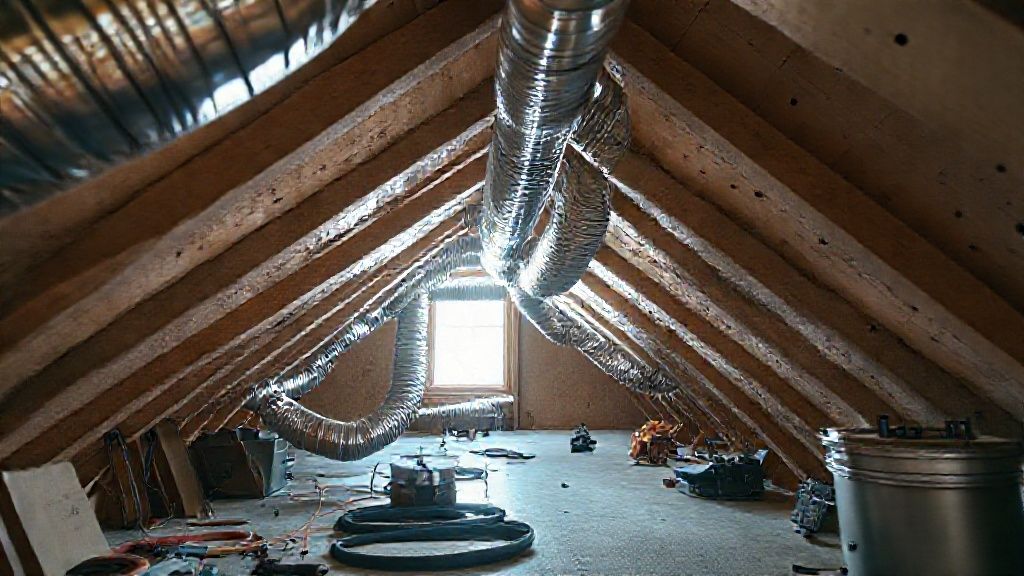
How to Start an HVAC Business in Indiana: A Step-by-Step Guide
So, you’re thinking about how to market my hvac business in Indiana? Good choice. Indiana’s climate means HVAC services are always in demand. But like any business, success depends on doing your homework and following a smart plan. This guide will walk you through the steps to get your HVAC business up and running the right way.
- Research: Know your market and competition.
- Plan: A solid business plan is non-negotiable.
- Funding: Secure the necessary capital.
- Licenses: Get all required Indiana HVAC licenses and permits.
- Structure: Choose the right business structure.
- Registration: Register with the Indiana Secretary of State.
- Insurance: Protect your business with the right coverage.
- Banking: Set up your business banking and accounting.
- Equipment: Invest in essential tools and equipment.
- Team: Hire and train qualified technicians.
- Marketing: Promote your services effectively.
- Compliance: Stay on top of HVAC codes and regulations.
1. Research the Indiana HVAC Market
Before you jump in, you need to understand the Indiana HVAC landscape. What areas are growing? What services are most in demand? Who are your main competitors? Understanding How to Get HVAC Business: Strategies for Growth is crucial. Look at demographics, new construction, and existing housing stock. Check out online directories and local business listings to identify potential competitors. Find out what they offer, their pricing, and their customer reviews. This research will help you identify opportunities and potential pitfalls.
2. Develop a Detailed Business Plan
A comprehensive business plan is your roadmap to success. It’s not just for securing funding; it helps you clarify your goals, strategies, and how you’ll achieve them. Here’s what your business plan should include:
- Executive Summary: A brief overview of your business.
- Company Description: Details about your business structure, mission, and vision.
- Market Analysis: Your research on the Indiana HVAC market.
- Service Offerings: A list of the HVAC services you’ll provide.
- Marketing and Sales Strategy: How you’ll attract and retain customers.
- Management Team: Information about you and your key employees.
- Financial Projections: Projected income statements, balance sheets, and cash flow statements.
- Funding Request (if applicable): The amount of funding you need and how you’ll use it.
3. Secure Funding for Your HVAC Startup
Starting an HVAC business requires capital. You’ll need funds for equipment, vehicles, insurance, marketing, and initial operating expenses. Here are some funding options to consider:
- Small Business Loans: Banks and credit unions offer loans specifically for small businesses.
- SBA Loans: The Small Business Administration (SBA) guarantees loans made by participating lenders.
- Lines of Credit: A flexible source of funding that you can draw on as needed.
- Grants: Research grants offered by government agencies and private organizations.
- Investors: Seek out investors who are willing to provide capital in exchange for equity in your business.
- Personal Savings: Using your own savings can reduce the amount of external funding you need.
4. Obtain Necessary Licenses and Permits in Indiana
Indiana requires HVAC contractors to be licensed. The specific requirements can vary by locality, so it’s essential to check with your local government. Generally, you’ll need a Mechanical Contractor License. To obtain this license, you’ll typically need to pass an exam and demonstrate relevant experience. Contact the Indiana Professional Licensing Agency for detailed information on licensing requirements and application procedures. Don’t forget to check for local permits needed in the cities and counties where you plan to work.
5. Choose a Business Structure (LLC, Sole Proprietorship, etc.)
The business structure you choose affects your liability, taxes, and administrative requirements. Here are some common options:
- Sole Proprietorship: Simple to set up, but you’re personally liable for business debts.
- Partnership: Similar to a sole proprietorship, but with multiple owners.
- Limited Liability Company (LLC): Provides liability protection, separating your personal assets from business debts. How to Form an LLC for Your HVAC Business: A Step-by-Step Guide can offer significant advantages.
- Corporation: More complex, but offers the greatest liability protection.
Consult with an attorney and accountant to determine the best structure for your business.
6. Register Your HVAC Business with the Indiana Secretary of State
If you choose a business structure other than a sole proprietorship or partnership, you’ll need to register your business with the Indiana Secretary of State. This involves filing articles of organization (for an LLC) or articles of incorporation (for a corporation). The process can typically be completed online through the Secretary of State’s website. Registration ensures your business is legally recognized in Indiana.
7. Obtain Business Insurance
Insurance is essential to protect your HVAC business from financial losses due to accidents, injuries, and other unforeseen events. Here are some essential types of business insurance:
- General Liability Insurance: Covers bodily injury and property damage caused by your business operations.
- Workers’ Compensation Insurance: Required if you have employees, it covers medical expenses and lost wages for employees injured on the job.
- Commercial Auto Insurance: Covers vehicles used for business purposes.
- Professional Liability Insurance (Errors and Omissions): Protects you against claims of negligence or errors in your professional services.
Shop around and compare quotes from different insurance providers to find the best coverage at a competitive price.
8. Set Up Your Business Banking and Accounting
Open a separate business bank account to keep your personal and business finances separate. This simplifies accounting and provides a clear record of your business transactions. Choose a bank that offers services tailored to small businesses, such as online banking, business credit cards, and merchant services. Set up an accounting system to track your income, expenses, and financial performance. Consider using accounting software or hiring a bookkeeper or accountant.
9. Invest in Essential Tools and Equipment
You’ll need a range of tools and equipment to provide HVAC services. Here are some essentials:
- Hand Tools: Wrenches, screwdrivers, pliers, etc.
- Power Tools: Drills, saws, etc.
- Refrigerant Recovery Machine: Essential for handling refrigerants safely and legally.
- Vacuum Pump: Used to evacuate air and moisture from HVAC systems.
- Manifold Gauge Set: Used to measure pressure in HVAC systems.
- Leak Detector: Used to identify refrigerant leaks.
- Combustion Analyzer: Used to test the efficiency of combustion appliances.
- Vehicle: A reliable van or truck to transport tools, equipment, and technicians.
Consider buying used equipment to save money, but make sure it’s in good working condition. You might find deals at day and night hvac wholesale, hvac wholesale near me, and hvac wholesale supply.
10. Hire and Train Qualified HVAC Technicians
Your technicians are the face of your business, so it’s essential to hire qualified and reliable individuals. Look for technicians with relevant certifications and experience. Provide ongoing training to keep your technicians up-to-date on the latest technologies and best practices. Invest in your employees, and they’ll invest in your business.
11. Market Your HVAC Business Effectively
Effective marketing is crucial for attracting and retaining customers. Here are some marketing strategies to consider:
- Website: A professional website is essential for showcasing your services and providing information to potential customers.
- Search Engine Optimization (SEO): Optimize your website to rank higher in search engine results.
- Online Advertising: Use platforms like Google Ads and social media to target potential customers.
- Social Media Marketing: Engage with customers on social media platforms like Facebook and Instagram.
- Email Marketing: Build an email list and send out newsletters and promotions.
- Local Partnerships: Partner with real estate agents, home builders, and other businesses that can refer customers to you.
- Customer Referrals: Encourage satisfied customers to refer their friends and family.
12. Comply with Indiana HVAC Codes and Regulations
Stay up-to-date on the latest Indiana HVAC codes and regulations. Compliance is essential for ensuring the safety and efficiency of HVAC systems. Regularly attend industry events and training sessions to stay informed. The Home Performance Coalition is a great source of information on best practices and compliance.
Final Thoughts
Starting an HVAC business in Indiana takes work, but with a solid plan and dedication, you can build a successful enterprise. Focus on providing quality service, building strong customer relationships, and staying on top of industry trends. Good luck!
FAQ Section
What licenses are required to start an HVAC business in Indiana?
In Indiana, you typically need a Mechanical Contractor License to operate an HVAC business. The specific requirements can vary by locality, so check with your local government.
What type of business insurance do I need as an HVAC contractor in Indiana?
Essential business insurance includes general liability, workers’ compensation (if you have employees), and commercial auto insurance. Consider professional liability (errors and omissions) insurance as well.
How do I register my HVAC business in Indiana?
You need to register your business with the Indiana Secretary of State. The process varies depending on your chosen business structure (LLC, corporation, etc.). You can typically complete this online.
What are the key considerations when developing a business plan for an HVAC startup in Indiana?
Your business plan should include market analysis, financial projections, marketing strategy, operational plan, and management structure. Tailor your plan to the specific HVAC market in Indiana.
Where can I find funding to start my HVAC business in Indiana?
Explore options such as small business loans, lines of credit, grants, and investors. Research programs offered by the Indiana Small Business Development Center (ISBDC).