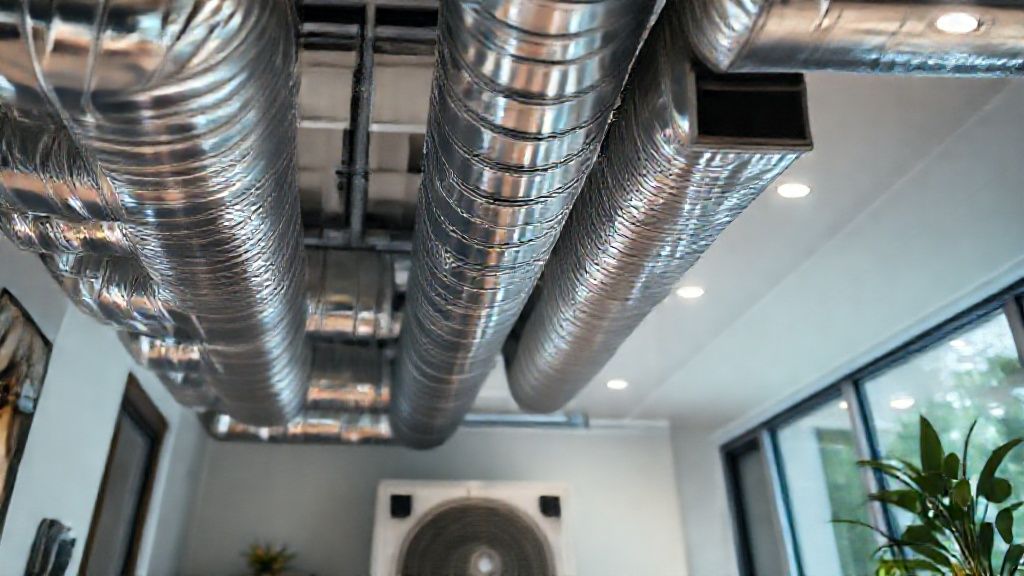
Here’s what it takes to own an HVAC business.
Owning an HVAC business can be a rewarding venture, but it requires careful planning and a solid understanding of the industry. It’s not just about understanding how air conditioners work; it’s about building a sustainable business. Here’s a breakdown of the critical aspects you need to consider before taking the leap. Is HVAC a Good Business to Start? Key Considerations for Aspiring Owners
- Licensing requirements and regulations
- Experience and training expectations
- Optimal business structures
- Financial planning and capital
- Essential business skills
Licensing Requirements for HVAC Business Owners
One of the first hurdles you’ll face is licensing. The requirements vary significantly by state and sometimes even by locality. In many jurisdictions, you can’t legally operate an HVAC business without a valid license. This often means either holding the license yourself or employing a licensed HVAC technician.
Even if you plan to focus on the business side and leave the technical work to your employees, you might still need to obtain a business license or a contractor’s license in your name. The Washington Utilities Commission regulates HVAC businesses within its jurisdiction, ensuring they meet specific standards for safety and service. Neglecting this can lead to fines, legal issues, and even the closure of your business.
It’s your responsibility to check with your state and local authorities to determine the exact licensing requirements for HVAC contractors and business owners. Don’t assume anything; do your homework.
Experience and Training Needed for HVAC Business Ownership
While you don’t necessarily need to be a master HVAC technician to own an HVAC company, a strong understanding of the industry is crucial. You need to speak the language, understand the technical challenges, and accurately estimate project costs.
Many successful HVAC business owners start as technicians themselves, gaining hands-on experience before transitioning to management. Others come from a business background and partner with experienced technicians.
Regardless of your background, you’ll need a solid grasp of business principles, including:
* Financial management
* Marketing
* Customer service
* Operations management
If you lack experience in these areas, consider taking business courses or seeking mentorship from experienced entrepreneurs.
Business Structures for HVAC Companies
The structure of your business has significant implications for liability, taxation, and administrative overhead. Common business structures for HVAC companies include:
* **Sole Proprietorship:** Simple to set up, but offers no personal liability protection.
* **Partnership:** Similar to a sole proprietorship, but involves two or more owners.
* **Limited Liability Company (LLC):** A popular choice for its liability protection and relatively simple structure.
* **Corporation:** More complex and costly to set up, but may be suitable for larger businesses seeking investment.
An LLC separates your personal assets from your business debts, offering protection if your company faces lawsuits or financial difficulties. Corporations, on the other hand, are often chosen by larger businesses with complex structures and a need to raise capital through investors.
Consulting with a legal professional can help you determine the most appropriate business structure for your specific needs and goals.
Financial Considerations for Starting an HVAC Business
Starting an HVAC business requires significant capital. You’ll need funds for:
* Equipment (tools, testing devices, etc.)
* Vehicles (service vans)
* Insurance (liability, workers’ compensation)
* Licensing and permits
* Marketing and advertising
* Initial operating expenses (rent, utilities, salaries)
HVAC hvac ductwork supplies wholesale can be a major expense. New contractors can save money by finding good suppliers.
Securing funding can be done through various means, including:
* Personal savings
* Loans (from banks or credit unions)
* Investors
* Small business grants
Develop a detailed business plan that includes projected income and expenses. This will not only help you secure funding but also provide a roadmap for your business’s financial success. Be realistic in your projections and factor in potential challenges, such as economic downturns or increased competition.
Key Skills for Successful HVAC Business Owners
Beyond technical knowledge and financial acumen, successful HVAC business owners possess a range of soft skills. These include:
* **Leadership:** The ability to motivate and manage employees.
* **Communication:** Clear and effective communication with customers, employees, and suppliers.
* **Customer Service:** Providing exceptional service to build customer loyalty.
* **Problem-Solving:** Addressing challenges and finding solutions efficiently.
* **Time Management:** Prioritizing tasks and managing time effectively.
* **Marketing:** Promoting your business and attracting new customers.
You don’t have to be perfect in every area. Recognize your strengths and weaknesses and build a team that complements your skill set.
hvac service marketing is a critical skill for finding new customers.
Legal and Regulatory Compliance for HVAC Businesses
Operating an HVAC business involves adhering to various legal and regulatory requirements. These may include:
* Environmental regulations (regarding refrigerant handling and disposal)
* Safety regulations (OSHA standards)
* Labor laws (wage and hour requirements)
* Contract laws (creating and enforcing contracts)
* Insurance requirements (liability and workers’ compensation)
Staying compliant with these regulations is not just a legal obligation; it’s also essential for protecting your business and your employees. Partner with legal and insurance professionals who can help you navigate these complexities. Regular training and updates for your employees are also crucial to ensure compliance.
Growth Strategies for HVAC Business Owners
Once your business is established, you’ll want to focus on growth. Here are some strategies to consider:
* **Expand your service offerings:** Consider adding services like hvac services new market maintenance contracts, or indoor air quality solutions.
* **Target new markets:** Explore opportunities in residential, commercial, or industrial sectors.
* **Invest in marketing:** Utilize online and offline marketing channels to reach new customers.
* **Build strategic partnerships:** Collaborate with builders, contractors, or property managers.
* **Embrace technology:** Implement software solutions to streamline operations and improve customer service.
HVAC hvac filters wholesale can be purchased in bulk for maintenance agreements.
Continuously evaluate your business performance and adapt your strategies to meet changing market conditions. Stay informed about industry trends and invest in training to keep your team up-to-date with the latest technologies.
Final Thoughts
Owning an HVAC business is a challenging but rewarding endeavor. By understanding the licensing requirements, gaining relevant experience, choosing the right business structure, securing adequate funding, developing essential skills, ensuring legal compliance, and implementing effective growth strategies, you can increase your chances of success in this competitive industry. It takes dedication, hard work, and a commitment to continuous learning, but the potential for growth and profitability is significant. HVAC hvac parts wholesale online can be another profit center if you market them effectively.
## FAQ Section
Do I need an HVAC license to own an HVAC business?
In many jurisdictions, you need to hold a valid HVAC license or employ a licensed HVAC technician to operate an HVAC business legally. Requirements vary by state and local regulations. Even if you aren’t performing the technical work yourself, you may need a business license or contractor’s license in your name.
What kind of experience is required to own an HVAC company?
While you don’t necessarily need to be a seasoned HVAC technician, a strong understanding of the industry is crucial. Business ownership experience, management skills, and financial literacy are also beneficial. Many successful owners come from a technical background and then develop their business acumen.
What are the best business structures for HVAC businesses?
Common business structures include sole proprietorships, partnerships, LLCs (Limited Liability Companies), and corporations. LLCs are popular for their liability protection, while corporations may be suitable for larger businesses seeking investment. Consult with a legal professional to determine the best structure for your specific needs.
What are the financial considerations for starting an HVAC business?
Starting an HVAC business requires capital for equipment, vehicles, insurance, licensing, marketing, and initial operating expenses. Secure funding through loans, personal investment, or investors. Develop a detailed business plan with projected income and expenses.
What are the key skills for running an HVAC business?
Successful HVAC business owners possess strong leadership, communication, customer service, financial management, and marketing skills. They also need the ability to adapt to changing market conditions and embrace new technologies.