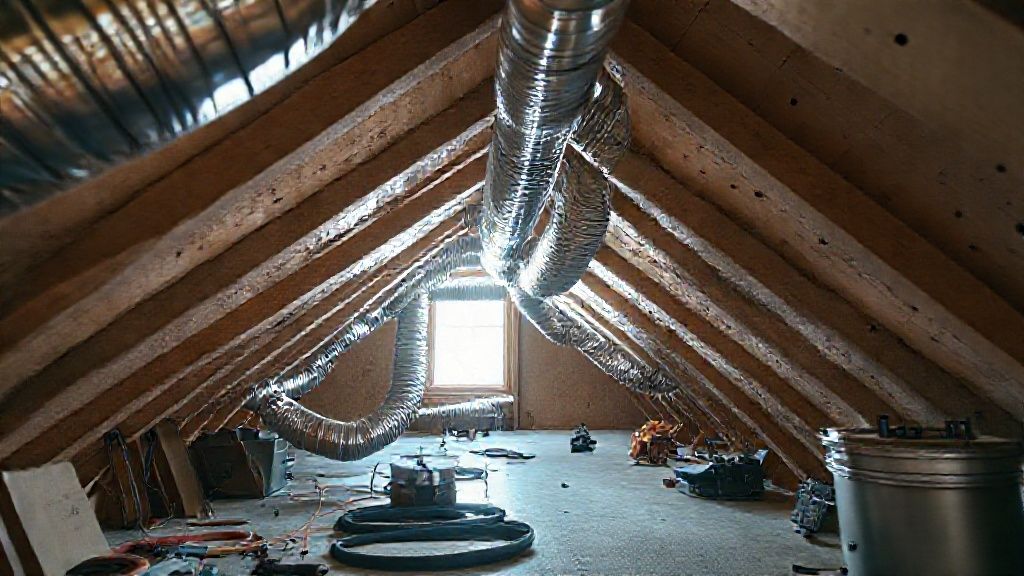
Here’s your guide to selling your HVAC business. It’s a big decision, so let’s get right into it.
## Key Highlights for Selling Your HVAC Business
* Know when the time is right to sell; don’t rush it.
* Prepare your business meticulously for due diligence.
* Understand how to accurately value your business.
* Find a buyer who’s the right fit for your business.
* Navigate the sale process efficiently.
* Maximize your business’s valuation.
* Address all legal and financial aspects.
* Plan for what comes after the sale.
## When is the Right Time to Sell Your HVAC Business?
Timing is everything. Selling at the peak of your business’s success is ideal, but that’s not always possible. Look at market conditions, industry trends, and your personal circumstances. If you’re seeing consistent growth and high profitability, it might be the perfect time. Also, consider your reasons for selling. Are you retiring, pursuing another venture, or simply burned out? Knowing your motivation helps you stay focused throughout the process. If you are considering marketing hvac, be sure to have your business ready.
## Preparing Your HVAC Business for Sale: Due Diligence and Valuation
Preparation is key. Potential buyers will scrutinize every aspect of your business. Get your financial records in order. Clean up your balance sheet and ensure your accounting is accurate and up-to-date. Organize all relevant documents, including contracts, licenses, permits, and equipment maintenance logs. A well-prepared business instills confidence in buyers. Accurate valuation is critical. Understand what your business is worth before you start negotiations. Factors influencing valuation include revenue, profitability, assets, market share, and growth potential. Consider hiring a professional appraiser to provide an objective assessment.
## Finding the Right Buyer for Your HVAC Business
Finding the right buyer is as important as getting the right price. Consider your options: individual investors, private equity firms, or even a competitor looking to expand. Each type of buyer brings different strengths and weaknesses. Do your research and identify potential buyers who align with your goals and values. Networking within the industry can also lead to valuable connections. Think about what you want for the future of your company. Do you want it to continue operating under the same name and with the same employees? These considerations can influence your choice of buyer. This is a great time to also look into hvac equipment wholesale
## The HVAC Business Sale Process: From Offer to Closing
The sale process can be complex. Once you’ve identified a potential buyer, the next step is negotiating an offer. This involves determining the purchase price, payment terms, and other conditions of the sale. Be prepared to negotiate and compromise. The buyer will conduct due diligence, thoroughly reviewing your business’s financials, operations, and legal compliance. Be transparent and responsive to their requests. Once due diligence is complete and both parties are satisfied, you’ll move toward closing the deal. This involves finalizing the legal documents and transferring ownership of the business. Ensure you have experienced legal and financial advisors to guide you through the process.
## Maximizing Your HVAC Business Valuation
Maximize your business valuation by focusing on key areas. Improve profitability by streamlining operations, increasing sales, and controlling costs. A healthy bottom line makes your business more attractive to buyers. Build a strong brand reputation by providing excellent customer service and maintaining a positive online presence. A solid reputation can command a higher price. Invest in your employees by providing training and development opportunities. Skilled and motivated employees are a valuable asset. Make sure your wholesale hvac equipment is up to date.
## Legal and Financial Considerations When Selling Your HVAC Company
Selling a business involves significant legal and financial implications. Consult with experienced legal and financial advisors to protect your interests. Legal considerations include drafting and reviewing the sale agreement, addressing potential liabilities, and ensuring compliance with all applicable laws and regulations. Financial considerations include tax planning, structuring the sale to minimize tax liabilities, and managing the proceeds of the sale. Understanding these aspects is crucial for a successful transaction. Selling HVAC businesses in South Carolina PSC and other regulated areas may require specialized assistance.
## What Happens After the Sale? Transition and Non-Compete Agreements
The sale isn’t over once the deal closes. Plan for the transition period to ensure a smooth handover. This may involve training the new owner, introducing them to key customers and suppliers, and providing ongoing support. Non-compete agreements are common in business sales. These agreements restrict you from starting a competing business within a certain geographic area and time frame. Understand the terms of the non-compete agreement and negotiate them to protect your future interests. Consider what you want to do after the sale. Are you planning to retire, start a new business, or pursue other interests? Having a clear plan helps you transition to the next chapter. Before you sell your business, you may want to create an HVAC Marketing Strategies: A Comprehensive Guide for Contractors.
## Final Thoughts
Selling your HVAC business is a significant undertaking that requires careful planning, preparation, and execution. By understanding the key steps involved, maximizing your business valuation, and seeking expert advice, you can achieve a successful sale and secure your future.
## FAQ: Selling Your HVAC Business
### What factors influence the value of my HVAC business?
Several factors impact the value of your HVAC business, including revenue, profitability, assets, customer base, market position, growth potential, and the overall condition of the business. If you’re looking for american standard hvac wholesale, consider how this may affect your sale.
### How can I increase the value of my HVAC business before selling?
Focus on improving profitability by streamlining operations, increasing sales, and controlling costs. Maintain accurate financial records, invest in employee training, and build a strong brand reputation. Address any deferred maintenance and ensure all licenses and permits are up-to-date.
### What is a business broker and why should I use one to sell my HVAC business?
A business broker specializes in facilitating the sale of businesses. They can provide valuable expertise in valuation, HVAC Licensing Requirements: What You Need to Start Your Business, marketing, negotiation, and navigating the complexities of the sale process. Using a broker can help you reach a wider pool of qualified buyers and maximize your sale price.
### What are the common deal structures when selling an HVAC business?
Common deal structures include asset sales (where the buyer purchases specific assets of the business), stock sales (where the buyer purchases the company’s stock), and earnouts (where a portion of the purchase price is tied to future performance).
### What is due diligence and what should I expect during this process?
Due diligence is the process where the buyer thoroughly investigates the financial, legal, and operational aspects of your HVAC business. Expect the buyer to request financial statements, customer contracts, equipment lists, and other relevant documentation. Prepare to answer questions and address any concerns that arise.