Building a Profitable HVAC Contracting Business: Strategies for Success
So, you’re looking to build a profitable HVAC contracting business? Good. There’s plenty of opportunity out there, but you need a solid plan and the discipline to execute it. I’ve seen HVAC businesses thrive and I’ve seen them crash. The difference usually comes down to smart planning, efficient operations, and a relentless focus on the customer. Let’s get into the nitty-gritty of what it takes.
Key Highlights:
- Market Understanding: Know your local market inside and out.
- Business Plan: A detailed plan is your roadmap to success.
- Operational Efficiency: Streamline processes to maximize profitability.
- Marketing and Sales: Attract and retain customers through effective strategies.
- Technology: Use tech to boost performance and customer service.
- Team Building: A strong team is essential for growth.
- Financial Management: Keep a close eye on your numbers.
- Customer Relationship Management: Build lasting relationships with your clients.
- Compliance: Stay on top of regulations and codes.
- Continuous Improvement: Always look for ways to improve and adapt.
Understanding Your HVAC Market and Target Audience
First things first: you need to understand your market. Don’t just assume you know what customers want. Do your homework. What’s the demographic makeup of your area? What are the average income levels? What types of homes are prevalent? All of this impacts the kind of HVAC services that will be in demand. For example, a wealthy area might be more interested in high-efficiency systems and smart home integration, while a more budget-conscious area might prioritize basic repairs and replacements. If you plan to compete in hvac company local seo marketing you should know the intricacies of the market you are entering. And you should know how SEO fits into your success model.
Next, define your target audience. Are you focusing on residential, commercial, or both? Within those categories, can you narrow it down further? Maybe you specialize in older homes, new construction, or restaurants. The more specific you are, the easier it will be to tailor your marketing and service offerings. Also research wholesale hvac distributors near me and establish a relationship with them.
Developing a Robust Business Plan for HVAC Contractors
A solid business plan isn’t just for securing funding; it’s your roadmap to success. It forces you to think through every aspect of your business, from your mission statement to your financial projections. Include a detailed market analysis, competitive analysis, and a clear outline of your services, pricing, and marketing strategy. Don’t skip the financial projections. You need to know your startup costs, projected revenue, and break-even point. Be realistic and conservative in your estimates. It’s better to underestimate and over-deliver than the other way around.
Your business plan should also address your operational plan. How will you handle scheduling, dispatching, inventory management, and customer service? What software and tools will you use? The more detail you can provide, the better prepared you’ll be.
Optimizing Business Operations for Efficiency and Profitability
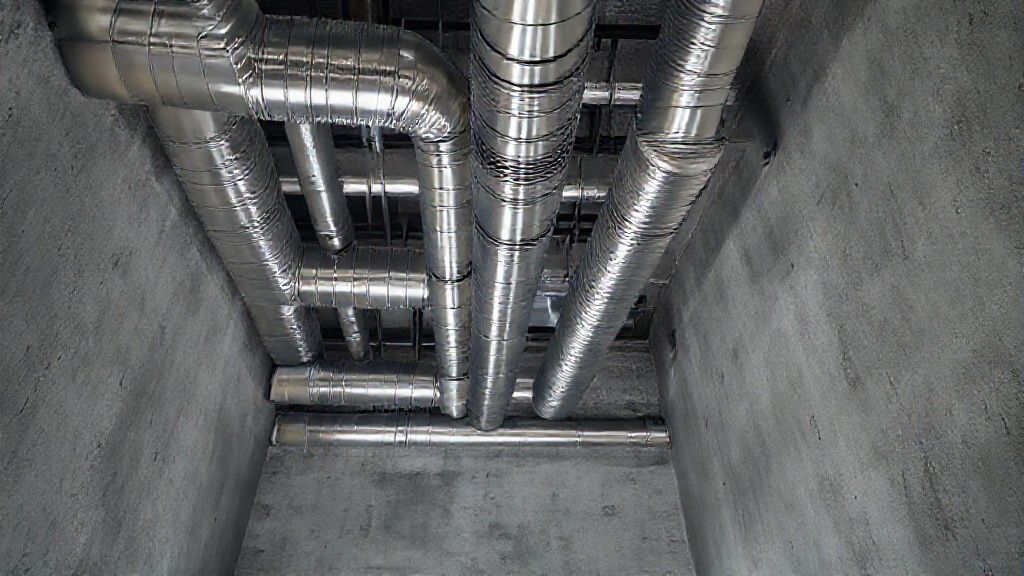
Efficiency is the name of the game. Look for ways to streamline your processes and reduce waste. This includes everything from scheduling and dispatching to inventory management and technician training. Invest in good scheduling software to optimize routes and minimize downtime. Implement a system for tracking inventory and ordering supplies to avoid stockouts and overstocking. Make sure your technicians are well-trained and equipped to handle a wide range of issues on the first visit. Callbacks eat into your profits and damage your reputation. Also look into wholesale hvac ductwork as part of your effort to gain efficiency.
Consider implementing energy-efficient practices in your own operations. Not only will this reduce your utility bills, but it will also demonstrate your commitment to sustainability, which can be a selling point for environmentally conscious customers.
Effective Marketing and Sales Strategies for HVAC Businesses
Marketing is crucial for attracting new customers and keeping your business top-of-mind. A strong online presence is essential. Make sure you have a professional website that is optimized for search engines. Invest in hvac company marketing, including SEO, PPC, and social media. Create content that is informative and engaging, such as blog posts, videos, and infographics.
Don’t neglect traditional marketing methods either. Targeted advertising, direct mail, and local events can all be effective. Offer promotions and discounts to attract new customers and incentivize repeat business. Leverage customer reviews and testimonials to build trust and credibility. Develop a referral program to reward existing customers for sending new business your way.
Leveraging Technology to Improve HVAC Business Performance
Technology can be a game-changer for your HVAC business. Invest in software and tools that can automate tasks, improve communication, and enhance customer service. Scheduling software, mobile apps, and CRM systems can all streamline your operations and boost efficiency.
Consider using technology to offer remote monitoring and diagnostics. This can help you identify potential issues before they become major problems, saving your customers money and reducing callbacks. Embrace smart home technology and offer installation and maintenance services for smart thermostats and other connected devices.
Building a Strong Team and Company Culture
Your team is your most valuable asset. Hire the right people, train them well, and treat them with respect. Create a company culture that is positive, supportive, and customer-focused. Encourage teamwork and collaboration. Provide opportunities for professional development and advancement.
Pay attention to employee morale. Happy employees are more productive and provide better customer service. Offer competitive wages and benefits. Recognize and reward good performance. Create a work environment where employees feel valued and appreciated. If you use a hvac company marketing agency they should be able to help you retain your team members.
Managing Finances and Maximizing Profit Margins
Financial management is critical for the long-term success of your HVAC business. Keep a close eye on your numbers. Track your revenue, expenses, and profit margins. Monitor key financial metrics, such as cost of goods sold (COGS), gross profit margin, net profit margin, overhead costs, customer acquisition cost (CAC), and customer lifetime value (CLTV).
Identify areas where you can reduce costs and increase efficiency. Negotiate better prices with your suppliers. Manage your cash flow effectively. Avoid unnecessary debt. Reinvest profits back into your business to fuel growth.
Customer Relationship Management (CRM) for HVAC Businesses
CRM is essential for building and maintaining strong customer relationships. A good CRM system will help you manage customer interactions, track leads, schedule appointments, manage service history, and provide personalized service. Use your CRM to segment your customers and tailor your marketing efforts accordingly.
Provide excellent customer service at every touchpoint. Respond promptly to inquiries and complaints. Go the extra mile to resolve issues and exceed customer expectations. Follow up with customers after service calls to ensure they are satisfied. Ask for feedback and use it to improve your service.
Staying Compliant with Regulations and Codes
Compliance is non-negotiable. Stay up-to-date on all relevant regulations and codes. This includes everything from licensing and insurance to environmental regulations and safety standards. Failure to comply can result in fines, penalties, and even the loss of your license. One such agency is Chelan PUD.
Invest in training and education to ensure that your technicians are knowledgeable about the latest codes and regulations. Conduct regular audits to identify and correct any compliance issues. Work with a qualified attorney or consultant to ensure that you are meeting all legal requirements.
Continuous Improvement and Adaptation in the HVAC Industry
The HVAC industry is constantly evolving. New technologies, regulations, and customer expectations are always emerging. To stay ahead of the curve, you need to embrace continuous improvement and be willing to adapt to change. Stay informed about the latest trends and technologies. Attend industry events and conferences. Invest in ongoing training and education for your team.
Be open to new ideas and approaches. Experiment with different marketing strategies and service offerings. Solicit feedback from your customers and employees. Use that feedback to identify areas for improvement and make adjustments as needed. The HVAC business that worked 10 years ago is not the same as today. You need to keep abreast of the changes that can make or break your business.
Final Thoughts
Building a profitable HVAC contracting business takes hard work, dedication, and a strategic approach. By understanding your market, developing a solid business plan, optimizing your operations, investing in marketing and technology, building a strong team, managing your finances wisely, and staying compliant with regulations, you can position your business for long-term success. Remember to always prioritize customer satisfaction and be willing to adapt to change. Good luck.
FAQ
What are the key elements of a successful HVAC business plan?
A successful HVAC business plan should include a clear mission statement, market analysis, competitive analysis, target audience definition, marketing strategy, financial projections, and operational plan. It should also outline your company’s unique selling proposition and long-term goals.
How can I optimize my HVAC business operations for efficiency and profitability?
Optimize operations by streamlining processes, investing in technology (e.g., scheduling software, mobile apps), improving inventory management, implementing energy-efficient practices, and focusing on technician training to reduce callbacks and improve first-time fix rates. You can find supplies at a wholesale hvac distributor.
What are effective marketing and sales strategies for an HVAC business?
Effective strategies include online marketing (SEO, PPC, social media), targeted advertising, building a strong website, offering promotions and discounts, leveraging customer reviews and testimonials, and developing referral programs. Focus on providing excellent customer service and building relationships to generate repeat business.
How important is CRM for an HVAC business?
CRM (Customer Relationship Management) is crucial. It helps you manage customer interactions, track leads, schedule appointments, manage service history, and provide personalized service. A good CRM system can significantly improve customer satisfaction and drive repeat business.
What are some key financial metrics to track in an HVAC business?
Key metrics include revenue, cost of goods sold (COGS), gross profit margin, net profit margin, overhead costs, customer acquisition cost (CAC), customer lifetime value (CLTV), and cash flow. Monitoring these metrics will help you identify areas for improvement and make informed financial decisions.