US HVAC Services Market Size 2024 Revenue: Trends & Opportunities for Contractors
Let’s cut straight to the chase. The US HVAC services market in 2024 isn’t just growing; it’s undergoing a significant transformation. For HVAC contractors, this isn’t just a statistic; it’s a clear signal for opportunity, or a warning for those who fail to adapt. The industry is dynamic, driven by technological advancements, evolving consumer demands, and stringent regulatory shifts. If you’re in this business, understanding the market landscape, identifying key growth drivers, and leveraging emerging trends isn’t optional—it’s fundamental to your survival and prosperity.
At AC Direct VIP, we don’t believe in guesswork. We believe in providing you with the intelligence you need to make informed decisions that translate directly into market share and profit. This isn’t about predictions; it’s about strategic insights derived from the hard data shaping our industry. We’re here to equip you with the knowledge to navigate this complex environment and position your business not just to compete, but to dominate.
The revenue outlook for US HVAC services in 2024 is robust, fueled by a confluence of factors ranging from aging infrastructure to increased demand for energy efficiency and indoor air quality. But simply being "busy" isn’t enough. True success comes from understanding where the market is heading, what your customers truly value, and how to effectively deliver it while optimizing your operations and marketing efforts. This detailed analysis will provide you with the actionable intelligence required to ensure your business doesn’t just ride the wave, but actively steers its course to maximize profitability.
Key Highlights:
- The US HVAC services market continues its strong growth trajectory in 2024, driven by both residential and commercial sectors.
- Significant revenue is generated from installation, maintenance, and repair services, with a notable shift towards high-efficiency system upgrades.
- Key growth drivers include aging HVAC infrastructure, increasing consumer awareness of energy costs, and the push for sustainable solutions.
- Technological innovations like smart HVAC systems, heat pump adoption, and advanced IAQ solutions are creating new service opportunities.
- Regulatory changes and federal incentives (e.g., Inflation Reduction Act) are powerfully shaping consumer buying decisions and contractor offerings.
- Strategic marketing, operational efficiency, and a focus on customer lifetime value are crucial for contractors aiming to maximize their market share and profitability.
Understanding the Current US HVAC Market Landscape
The US HVAC market is a bedrock of the national economy, essential for comfort, health, and productivity across millions of homes and businesses. In 2024, this landscape is characterized by a mature yet dynamic environment, far from stagnant. We’re seeing a market that’s resilient, responding to external pressures with remarkable adaptability. Post-pandemic, while initial supply chain disruptions have largely stabilized, the echoes of increased demand for home comfort and better indoor air quality continue to resonate, cementing HVAC as a non-negotiable service.
The market is bifurcated, with residential and commercial segments each presenting unique demands and opportunities. The residential sector remains a primary driver, fueled by an aging housing stock requiring constant maintenance, repair, and eventual replacement of HVAC systems. Homeowners are increasingly educated, demanding not just functionality, but also energy efficiency, smart home integration, and superior indoor air quality. This translates into a higher average ticket for installations and more comprehensive service agreements.
On the commercial side, new construction, particularly in certain growth regions, contributes to installation revenue. However, a significant portion of commercial activity stems from retrofits, system upgrades, and preventative maintenance for existing buildings looking to reduce operational costs, meet sustainability goals, and ensure occupant comfort. Facility managers are scrutinizing energy consumption more closely than ever, making high-efficiency solutions and smart building management systems a top priority.
Economic factors, such as interest rates and inflation, naturally play a role, influencing consumer spending and business investment. However, the essential nature of HVAC services often cushions it from the more severe swings seen in other industries. Even in tougher economic climates, deferred maintenance can only last so long before breakdown necessitates action. The strategic contractor understands these underlying currents, positioning their services to meet both immediate needs and long-term value propositions.
Key Drivers Fueling HVAC Market Growth in 2024
For any HVAC contractor aiming to capitalize on market expansion, understanding the “why” behind the growth is paramount. Several powerful forces are converging to propel the US HVAC services market forward in 2024, and ignoring them is a recipe for being left behind.
- Aging Infrastructure: This is perhaps the most fundamental driver. A significant portion of installed HVAC systems across the US is reaching or exceeding its operational lifespan. These systems, often 10-15 years old or more, are less efficient, more prone to breakdowns, and utilize older refrigerants. This creates an enormous, consistent demand for replacement units and the associated installation services. This cycle of replacement is a steady revenue stream that will persist for years. When contractors need reliable equipment to meet this demand, they often turn to established hvac wholesalers to ensure quality and availability.
- Energy Efficiency Mandates and Consumer Awareness: Regulatory bodies continually update minimum efficiency standards, such as the SEER2, EER2, and HSPF2 ratings implemented in 2023. These mandates push manufacturers to innovate and consumers to upgrade, often incentivized by significant savings on utility bills. Homeowners are increasingly savvy about their energy consumption, viewing high-efficiency HVAC as a smart investment rather than just an expense.
- Climate Change and Extreme Weather Patterns: The reality of more frequent and intense weather events—harsher winters, hotter summers—drives demand for robust, reliable heating and cooling systems. This isn’t just about comfort; it’s about safety and habitability, making HVAC an even more critical service.
- Population Growth and Urbanization: While varying by region, overall population growth and the continued trend towards urbanization necessitate new residential and commercial construction. Every new building requires HVAC systems, contributing to both initial installation revenue and future service opportunities.
- Indoor Air Quality (IAQ) Focus: The COVID-19 pandemic permanently elevated public awareness of indoor air quality. Consumers and businesses are now more willing to invest in solutions like advanced filtration, UV lights, dehumidifiers, and ventilation systems. This creates an ancillary market for IAQ products and services that HVAC contractors are perfectly positioned to provide. Sourcing these components efficiently is key, and an effective hvac wholesaler can be a crucial partner.
- Smart Home Technology Integration: The proliferation of smart home devices means HVAC systems are no longer isolated. Integration with smart thermostats, home automation systems, and remote monitoring capabilities is a growing expectation, adding complexity and value to new installations and upgrades. Contractors who can advise on and implement these integrated solutions will stand out. For large-scale projects or specific system needs, knowing where to find a reputable hvac wholesaler near me or a general wholesale hvac supply is essential for maintaining project timelines and budget.
Projected Revenue and Market Size for US HVAC Services
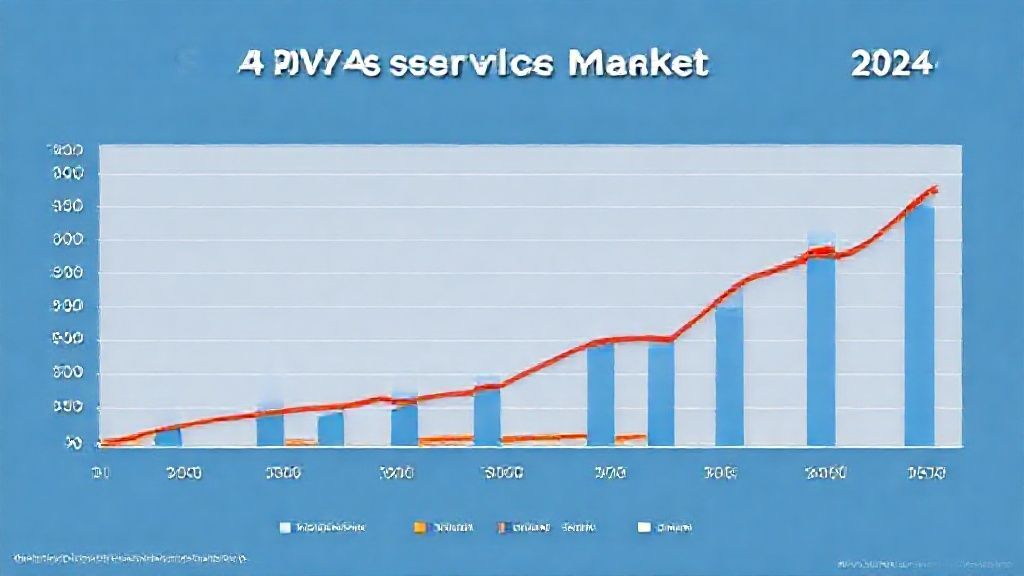
The numbers don’t lie. Industry analyses consistently point to a healthy and expanding US HVAC services market. While exact figures can vary depending on the research methodology, the consensus is clear: the market is a multi-billion-dollar industry with sustained growth. For 2024, projections indicate the US HVAC services market size will continue its upward trajectory, potentially approaching or exceeding $100 billion in revenue, driven by steady demand and increasing average service costs due to complexity and efficiency requirements.
This revenue is not monolithic; it’s a composite of several critical service areas:
- Installation Services: This segment commands a significant portion of the revenue, encompassing new system installations in residential and commercial construction, as well as crucial replacement services for aging units. With higher efficiency standards pushing up equipment costs, and skilled labor commanding premium rates, installation projects are high-value transactions.
- Maintenance Services: This is the recurring revenue engine for many successful HVAC businesses. Service agreements, preventative maintenance plans, and routine tune-ups ensure system longevity, optimize performance, and, crucially, reduce emergency breakdowns. This segment provides predictable cash flow and strengthens customer loyalty.
- Repair Services: Despite preventative efforts, breakdowns happen. Emergency repairs, diagnostic services, and component replacements form another substantial revenue stream. The ability to respond quickly and effectively to these critical needs is a differentiator for many contractors.
Geographically, growth isn’t uniform. Sun Belt states, experiencing rapid population growth and increasing temperatures, often see higher demand for cooling-focused HVAC services. Conversely, regions with older housing stocks and distinct four seasons drive demand for both heating and cooling system replacements and maintenance. Contractors operating in these diverse regions must tailor their service offerings and marketing strategies accordingly.
The overall trend is clear: continuous growth, with a premium placed on quality, efficiency, and comprehensive service. This market size isn’t just a number; it represents a vast landscape of opportunities for contractors who are prepared to meet the evolving demands of their customers with expertise and strategic foresight. For contractors looking to source competitively priced equipment to meet this demand, finding a reliable wholesale hvac supply near me can be a significant advantage.
Emerging Trends and Technological Innovations Shaping the Industry
To truly understand the future of HVAC services, you must look beyond current demands and anticipate where technology is taking us. The industry isn’t just about moving air anymore; it’s about intelligent climate control, energy optimization, and environmental stewardship. Contractors who embrace these trends will not only future-proof their businesses but also unlock new, lucrative service offerings.
- The Rise of Heat Pumps: Heat pumps are no longer a niche product; they are becoming a dominant force in both residential and commercial sectors. Driven by aggressive federal and state incentives, their high efficiency for both heating and cooling, and their role in decarbonization efforts, heat pump installations are projected to surge. Contractors need to invest heavily in training their technicians on the installation, maintenance, and troubleshooting of various heat pump systems, including geothermal and air-source.
- Smart HVAC Systems and IoT Integration: The era of "dumb" thermostats is over. Smart thermostats, sensors, and full HVAC systems integrated into the Internet of Things (IoT) are becoming standard. These systems offer remote monitoring, predictive maintenance capabilities, and advanced analytics, allowing contractors to offer more proactive and efficient service. Predictive maintenance, in particular, can transform reactive repair calls into scheduled, profitable service visits.
- Advanced Indoor Air Quality (IAQ) Solutions: Beyond basic filtration, the market for IAQ is expanding rapidly. This includes sophisticated air purification systems (UV-C lights, photocatalytic oxidation), advanced humidification/dehumidification, and enhanced ventilation strategies. Offering comprehensive IAQ assessments and tailored solutions is a significant value-add for customers concerned about health and comfort.
- Refrigerant Transitions: The ongoing phasedown of HFC refrigerants like R-410A, mandated by environmental regulations, is a critical trend. The industry is moving towards low-GWP (Global Warming Potential) alternatives. Contractors must stay abreast of these changes, understand the new refrigerants, and train their teams on proper handling, recovery, and system compatibility. This transition presents both challenges and opportunities for specialized expertise.
- Variable Refrigerant Flow (VRF) and Ductless Mini-Splits: These technologies offer unparalleled zoning capabilities, energy efficiency, and installation flexibility, making them increasingly popular in both residential additions and commercial applications. Their growth underscores a demand for customized comfort solutions.
Embracing these technologies means more than just stocking new products. It requires a fundamental shift in technician training, sales strategies, and how you communicate value to your customers. These innovations aren’t just gadgets; they are the future backbone of efficient and intelligent climate control, and they represent significant growth areas for forward-thinking HVAC businesses.
Strategic Opportunities for HVAC Contractors to Capitalize
Understanding the market and its trends is one thing; translating that knowledge into actionable strategies for growth and profitability is where AC Direct VIP excels. For HVAC contractors, 2024 is ripe with opportunities, but seizing them requires precision and a willingness to evolve.
- Embrace Specialization: Instead of trying to be everything to everyone, consider specializing. Becoming the go-to expert for heat pump installations, advanced IAQ solutions, or VRF systems in your service area can command higher prices and build a stronger reputation. Deep expertise in a high-demand niche provides a competitive edge.
- Fortify Service Agreements and Preventative Maintenance: This is the backbone of stable, recurring revenue. Proactively selling and renewing service agreements ensures steady cash flow, reduces emergency calls, and builds long-term customer relationships. Educate your clients on the value of preventative maintenance—it extends system life, improves efficiency, and minimizes costly breakdowns.
- Dominate Digital Marketing and Online Presence: In today’s market, if you’re not visible online, you’re invisible. Invest in robust local SEO, ensuring your business ranks high for "HVAC repair near me" and similar searches. Leverage social media, Google Business Profile optimization, and professional website development. This is where game-changing marketing for hvac contractors comes into play. Customers research and review online before they call. Your online reputation and visibility are critical. Understand how to market my hvac business effectively in the digital age.
- Invest in Continuous Training and Upskilling: The rapid pace of technological change demands a highly skilled workforce. Fund regular training programs for your technicians on new refrigerants, heat pump technologies, smart controls, and diagnostic tools. A well-trained team means efficient installations, fewer callbacks, and satisfied customers.
- Optimize Your Supply Chain and Inventory: With fluctuating supply chains, having reliable access to parts and equipment is vital. Cultivate strong relationships with your hvac wholesalers and manage your inventory intelligently to avoid project delays and cost overruns. Strategic purchasing can significantly impact your bottom line.
- Enhance the Customer Experience: From the initial call to post-service follow-up, every customer touchpoint matters. Implement professional communication, transparent pricing, timely service, and easy scheduling. A superior customer experience leads to repeat business, positive reviews, and invaluable word-of-mouth referrals.
- Bundle Services and Solutions: Don’t just sell an AC unit; sell a complete home comfort solution. Bundle high-efficiency systems with IAQ products, smart thermostats, and extended service plans. This increases average ticket size and provides more value to the customer.
These strategies aren’t merely suggestions; they are directives for sustained success in a competitive and evolving market. Implementing them requires discipline and a forward-thinking mindset, but the payoff in terms of market share and profitability is substantial.
Navigating Regulatory Changes and Energy Efficiency Incentives
The HVAC industry is heavily influenced by legislation and incentives, particularly those aimed at environmental protection and energy efficiency. For contractors, staying ahead of these changes isn’t just about compliance; it’s about leveraging them as powerful sales tools and sources of competitive advantage. Ignorance here is not bliss; it’s a liability.
- Inflation Reduction Act (IRA): The IRA, signed into law in 2022, is a monumental piece of legislation offering significant tax credits and rebates for homeowners and businesses investing in energy-efficient home improvements, including HVAC systems. This is a game-changer. Contractors must be fully conversant with the details of these programs, such as the 25C and 25D tax credits, and the High-Efficiency Electric Home Rebate Program (HEEHRP). Being able to clearly articulate these financial benefits to customers can directly drive sales, especially for heat pumps and other high-efficiency electric systems. Educate your sales team to guide customers through the process of claiming these incentives. For more detailed information, refer to resources like ENERGY STAR Federal Tax Credits.
- New Minimum Efficiency Standards (SEER2, EER2, HSPF2): As of January 1, 2023, new minimum efficiency standards for residential and commercial HVAC equipment became effective. This means contractors must ensure they are installing compliant equipment and educating customers on the benefits of these higher-efficiency systems. While some legacy equipment may still be installed, the market is rapidly shifting.
- Refrigerant Regulations and HFC Phasedown: The AIM Act mandates a phasedown of HFC refrigerants, impacting the availability and cost of R-410A. Contractors need to understand the new low-GWP refrigerants entering the market (e.g., R-32, R-454B), their handling requirements, and how they affect system design and service. This requires updated training and tools.
- State and Local Programs: Beyond federal incentives, many states, municipalities, and utility companies offer their own rebates, tax credits, and low-interest loan programs for energy-efficient HVAC upgrades. Keeping a close eye on these local initiatives and integrating them into your sales pitches can further sweeten the deal for potential clients.
By actively understanding and communicating these regulatory shifts and financial incentives, contractors position themselves not just as service providers, but as trusted advisors. This approach not only boosts sales but also reinforces your commitment to offering the most advanced and cost-effective solutions for your customers.
Maximizing Your HVAC Business’s Market Share and Profitability
In a growing market, simply getting by isn’t enough. The goal is to aggressively expand your market share and significantly boost your profitability. This requires a multi-faceted approach that intertwines operational excellence with shrewd business development strategies.
- Implement Robust CRM and Operational Software: Inefficient scheduling, disorganized customer data, and manual processes are profit killers. Invest in a comprehensive Customer Relationship Management (CRM) system and field service management software. This streamlines operations, optimizes technician routes, manages inventory, and provides invaluable insights into customer interactions and service history. Efficiency directly translates to higher profitability.
- Focus on Exceptional Customer Experience (CX): Beyond the technical fix, the entire customer journey determines satisfaction and loyalty. This includes professional communication from dispatch to follow-up, transparent pricing, clean and respectful technicians, and prompt service. A delightful customer experience generates positive reviews, repeat business, and powerful word-of-mouth referrals, which are arguably the most cost-effective marketing channels.
- Strategic Pricing: Don’t just compete on price; compete on value. Understand your true costs, but price your services based on the value you deliver—comfort, efficiency, reliability, peace of mind. Offer tiered service options, maintenance plans, and premium solutions. Don’t leave money on the table by underpricing your expertise.
- Invest in Recruitment and Retention: The skilled labor shortage remains a significant challenge. Develop robust recruitment strategies, potentially partnering with trade schools, and create an attractive workplace culture that emphasizes training, fair compensation, career advancement, and respect. Retaining top talent is far more cost-effective than constantly hiring and training new staff. A well-trained and motivated team is your greatest asset.
- Data-Driven Decision Making: Move beyond gut feelings. Analyze your call volume, conversion rates, average ticket size, technician efficiency, and marketing ROI. Use this data to identify bottlenecks, optimize processes, and make informed strategic decisions about where to allocate resources. This analytical approach is what separates the average contractor from the market leader.
- Proactive Marketing and Branding: Continuously reinforce your brand as the trusted, expert HVAC provider in your community. Utilize digital platforms, local sponsorships, and community engagement. Consistent, targeted marketing – precisely the kind of game-changing marketing for hvac contractors we advocate for – keeps your pipeline full and builds lasting brand equity. If you’re asking how to market my hvac business effectively, look no further than a proactive, data-informed strategy.
By integrating these strategies into the fabric of your business, you’re not just reacting to the market; you’re actively shaping your destiny within it. Maximizing market share and profitability isn’t a passive outcome; it’s the direct result of deliberate, strategic action.
Final Thoughts
The US HVAC services market in 2024 offers an undeniable landscape of growth and opportunity for contractors who are prepared to adapt and innovate. This isn’t a market for the complacent. From evolving efficiency standards and refrigerant transitions to the surging demand for smart, sustainable home comfort solutions, the industry is in constant motion. The businesses that will thrive are those that embrace technological advancements, understand the shifting regulatory environment, and, crucially, master the art of strategic marketing and operational efficiency.
Ignoring these trends is a direct path to stagnation. Leveraging them, however, can propel your business to unprecedented levels of market share and profitability. At AC Direct VIP, we’re committed to providing HVAC contractors with the direct, no-nonsense insights and game-changing marketing for hvac contractors necessary to not just compete, but to lead. This market isn’t waiting for anyone. The time to act strategically, to invest in your team, your technology, and your marketing, is now. Position your business today to dominate the HVAC landscape of tomorrow.
FAQ
Q1: What is the projected US HVAC market size for 2024?
The US HVAC services market is projected to continue its strong growth trajectory in 2024, with estimates often placing its revenue potential approaching or exceeding $100 billion. This growth is driven by a combination of new installations, replacements of aging systems, and increased demand for maintenance and repair services across both residential and commercial sectors.
Q2: What are the biggest drivers of growth in the HVAC market?
Key drivers include the aging installed base of HVAC systems requiring replacement, stricter energy efficiency mandates (like SEER2/EER2), increasing consumer awareness and demand for energy-efficient solutions, the impact of extreme weather events, and a growing focus on indoor air quality. Additionally, federal incentives like those under the Inflation Reduction Act are significantly boosting demand for high-efficiency systems, particularly heat pumps.
Q3: How do new energy efficiency standards impact my business?
New efficiency standards (e.g., SEER2, EER2, HSPF2) directly impact the types of equipment you install and service. They necessitate technicians being trained on newer, more complex systems and require contractors to educate customers on the benefits and long-term savings these high-efficiency units provide. This also creates opportunities for higher-value installations and upgrades.
Q4: What role does technology play in the future of HVAC services?
Technology is central to the future of HVAC. Emerging trends include the widespread adoption of heat pumps, smart HVAC systems with IoT integration for remote monitoring and predictive maintenance, advanced indoor air quality (IAQ) solutions, and the transition to new, low-GWP refrigerants. Contractors must invest in training and adapt their service offerings to incorporate these technological advancements to remain competitive.
Q5: How can a small HVAC business compete effectively in this growing market?
Small HVAC businesses can thrive by focusing on specialization (e.g., heat pumps, IAQ), strengthening their digital marketing and local SEO to capture online leads, building a strong reputation for exceptional customer service, prioritizing recurring revenue through service agreements, and continuously investing in technician training. Leveraging available federal and local incentives as sales tools is also critical for smaller operators to differentiate themselves.