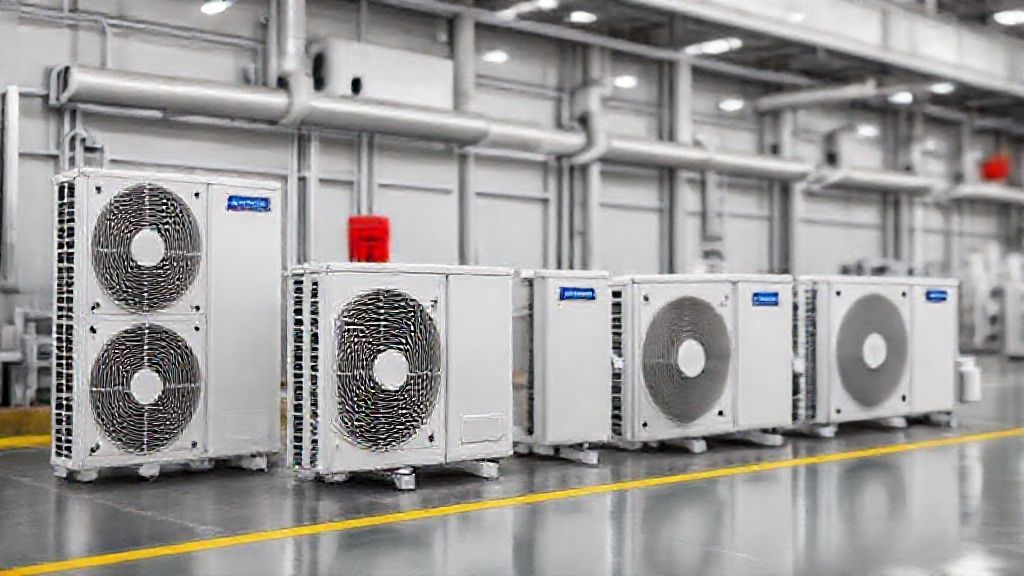
The residential HVAC market is a bedrock of the heating, ventilation, and air conditioning industry, a dynamic sector that directly impacts the comfort, health, and energy efficiency of homes across the nation. For any HVAC business owner, understanding its intricacies is not just an advantage; it’s a necessity for sustained growth and profitability. This isn’t about guessing; it’s about making informed decisions based on clear market intelligence.
At AC Direct VIP, we see the trends, the shifts, and the opportunities firsthand. We’re not here to tell you what you want to hear; we’re here to lay out the facts. The residential HVAC landscape is evolving rapidly, driven by technological advancements, changing consumer demands, and a growing emphasis on sustainability. Businesses that adapt, innovate, and strategically position themselves will not just survive—they will thrive.
This guide will cut through the noise, providing you with a direct, no-nonsense overview of the residential HVAC market. We’ll explore the current state, pinpoint the key trends, identify the forces driving growth, and outline the challenges and opportunities that lie ahead. More importantly, we’ll equip you with actionable strategies to ensure your business is not just participating, but leading the charge in this competitive environment.
Key Highlights for Your HVAC Business
- Electrification is King: Heat pump adoption is skyrocketing, fueled by efficiency and incentives.
- Smart Home Integration: Connectivity and automation are no longer luxuries but expected features.
- Indoor Air Quality (IAQ): Post-pandemic, IAQ solutions are a high-demand service.
- Sustainability & Efficiency: Consumers demand greener, more energy-saving systems.
- Skilled Labor Shortage: A persistent challenge, but also an opportunity for training and retention.
- Digital Transformation: Online presence and efficient operations are non-negotiable for growth.
Understanding the Current Residential HVAC Market Landscape
The residential HVAC market is a colossal segment of the U.S. economy, characterized by its consistent demand and cyclical nature. It encompasses everything from central air conditioning units and furnaces to heat pumps, ductless mini-splits, and smart thermostats, servicing millions of homes annually. This market isn’t static; it’s a living entity influenced by a multitude of factors, from housing starts and economic stability to climate patterns and regulatory shifts.
Broadly, the market can be segmented into two primary components: new construction and replacement/retrofit. New construction, while significant, is often more volatile, directly tied to the housing market’s health. Replacement and retrofit, however, represent the lion’s share of the market, driven by the aging installed base of HVAC systems, homeowners seeking energy efficiency upgrades, and the natural lifecycle of equipment. A typical HVAC system has a lifespan of 10-15 years, ensuring a continuous demand for replacements.
Currently, we’re seeing a robust market, despite economic headwinds. The emphasis has shifted significantly towards energy efficiency and advanced technology. Homeowners are increasingly educated and empowered, looking beyond basic temperature control to systems that offer superior comfort, lower utility bills, and integrated smart home capabilities. This consumer sophistication means your sales approach needs to move beyond BTUs and SEER ratings to a more holistic discussion about home comfort, health, and long-term value.
Furthermore, the market is geographically diverse. While warmer southern states naturally have higher demand for cooling systems, colder northern regions see a consistent need for advanced heating solutions. The rise of hybrid systems and heat pumps is bridging this gap, offering both heating and cooling in a single, efficient package, making them appealing across all climate zones. Understanding your specific local market dynamics, including demographic shifts, housing inventory, and local utility incentives, is paramount to tailoring your services and maximizing your reach.
Key Trends Shaping the Residential HVAC Industry
Staying ahead in the residential HVAC market means keeping a keen eye on the trends that are reshaping how we do business. These aren’t just fads; they are fundamental shifts that will dictate consumer expectations and industry standards for years to come.
The Electrification Movement
This is arguably the most impactful trend. Driven by environmental concerns, government incentives, and advancements in technology, the push towards all-electric homes is accelerating. Heat pumps, once a niche product, are now front and center. They offer both heating and cooling efficiently, reducing reliance on fossil fuels. Businesses that proactively embrace heat pump installation, service, and education will capture a significant portion of this growing market. This means investing in specialized training for your technicians and adapting your marketing to highlight the benefits of electrification.
Smart Home Integration and IoT
The smart home ecosystem is expanding, and HVAC systems are a core component. Smart thermostats are just the beginning. We’re talking about systems that learn homeowner preferences, integrate with other smart devices (lighting, security), offer remote diagnostics, and allow for granular control via mobile apps. Consumers expect connectivity and convenience. If your business isn’t offering smart, connected solutions, you’re falling behind. This trend also opens up opportunities for recurring revenue through remote monitoring and predictive maintenance services.
Indoor Air Quality (IAQ) as a Priority
The pandemic brought IAQ to the forefront of public consciousness. Homeowners are more aware than ever of the impact of their indoor environment on health and well-being. This translates to increased demand for air purifiers, humidifiers, dehumidifiers, UV-C lights, and advanced filtration systems. Offering comprehensive IAQ assessments and solutions isn’t just an add-on; it’s becoming a crucial part of a complete HVAC service package. Positioning your business as an IAQ expert can be a significant differentiator.
Sustainability and Energy Efficiency
Beyond electrification, the overall demand for greener, more energy-efficient systems continues to grow. Homeowners are looking for ways to reduce their carbon footprint and, critically, their utility bills. High-efficiency furnaces, variable-speed compressors, zoned systems, and geothermal solutions are all part of this drive. Marketing your services with a clear emphasis on energy savings and environmental benefits will resonate strongly with a broad segment of the market. Understanding federal, state, and local rebates and tax credits for these systems is also critical for your sales team.
Regulatory Changes and Incentives
Government policies and incentives, such as those introduced by the Inflation Reduction Act (IRA), are dramatically influencing the market. These policies offer substantial tax credits and rebates for homeowners upgrading to high-efficiency electric heat pumps and other energy-saving technologies. For HVAC businesses, staying informed about these programs is not optional. It allows you to guide your customers to maximum savings, making high-efficiency upgrades more financially accessible and attractive. This requires continuous training for your sales and technical staff to effectively communicate these benefits.
Growth Drivers: Why the Residential Market is Thriving
Despite economic fluctuations, the residential HVAC market demonstrates remarkable resilience and consistent growth potential. Several fundamental drivers underpin this positive outlook:
Aging Infrastructure and Replacement Cycles
Millions of homes in the U.S. operate with HVAC systems that are 10, 15, or even 20+ years old. As these systems reach the end of their operational life, they become less efficient and more prone to breakdowns, necessitating replacement. This inherent replacement cycle provides a steady baseline demand for HVAC services, irrespective of new construction trends. Savvy businesses proactively track the age of their installed base and implement targeted outreach programs for replacement opportunities.
Increased Climate Volatility and Extreme Weather
Climate change is leading to more frequent and intense heatwaves, as well as colder winters in some regions. This exacerbates the need for reliable, high-performing heating and cooling systems. Homeowners are increasingly unwilling to tolerate inadequate comfort levels, driving demand for new installations, upgrades, and preventative maintenance to ensure systems can withstand these extreme conditions.
Growing Consumer Awareness and Demand for Comfort
Modern consumers prioritize home comfort and convenience. They expect precise temperature control, quiet operation, and healthy indoor air. This heightened expectation fuels demand for advanced systems, such as zoned HVAC, variable-speed technology, and comprehensive IAQ solutions. Marketing that emphasizes total home comfort, rather than just basic heating and cooling, will capture this evolving consumer need.
Government Incentives and Rebates
As mentioned, robust federal, state, and local incentives for energy-efficient upgrades are significantly lowering the upfront cost barrier for homeowners. Programs like those stemming from the Inflation Reduction Act are making technologies like heat pumps more affordable than ever. HVAC businesses that are well-versed in these incentives can position themselves as trusted advisors, helping customers navigate the application process and maximize their savings. This knowledge directly translates into closed deals and higher customer satisfaction.
Housing Market Dynamics
While new construction is often volatile, a stable or growing housing market (both new builds and existing home sales) contributes to HVAC demand. New homes require full system installations, while existing home sales frequently trigger HVAC inspections, repairs, or upgrades as part of the buying/selling process. Furthermore, homeowners investing in renovations and home improvements often include HVAC upgrades to enhance comfort and energy efficiency.
Challenges and Opportunities for HVAC Businesses
No market is without its hurdles, and the residential HVAC sector is no exception. However, for every challenge, there’s an opportunity for those willing to adapt and innovate.
The Persistent Skilled Labor Shortage
This is arguably the most significant challenge facing the HVAC industry. There simply aren’t enough qualified technicians to meet demand. This impacts service delivery, installation timelines, and ultimately, your bottom line.
Opportunity: Businesses that invest heavily in training, apprenticeship programs, and employee retention strategies will gain a competitive edge. Partnering with vocational schools, offering competitive compensation, and fostering a positive work environment are critical. Furthermore, exploring technologies like remote diagnostics can help existing technicians be more efficient.
Supply Chain Volatility and Equipment Costs
Global events continue to disrupt supply chains, leading to material shortages and increased equipment costs. This can impact project timelines and profitability.
Opportunity: Develop strong relationships with multiple suppliers and distributors. Consider diversifying your product offerings to provide alternatives when preferred brands are unavailable. Smart inventory management and proactive ordering can mitigate some risks. Regularly checking in with your hvac wholesale distributor can help you stay informed on availability and pricing. You might also want to look for an hvac wholesale direct coupon code or other promotions from hvac wholesale companies to manage costs, and always check hvac wholesale direct reviews to ensure reliable service.
Intense Competition
The market is saturated with both large national players and smaller local businesses, making it challenging to stand out.
Opportunity: Differentiation is key. Focus on niche services (e.g., geothermal, specific IAQ solutions), provide unparalleled customer service, build a strong local reputation, and leverage digital marketing effectively. Strong online reviews and a robust referral program can be powerful tools.
Navigating Regulatory Complexity
Ever-evolving energy efficiency standards, refrigerant regulations, and local permitting requirements can be complex and time-consuming.
Opportunity: Invest in continuous education for your team. Staying compliant isn’t just about avoiding penalties; it demonstrates professionalism and builds customer trust. Engaging with industry associations like the SMACNA National Association can help you stay current on best practices and regulatory changes.
Educating Consumers on New Technologies
The shift to electrification and smart systems requires educating homeowners, who may be unfamiliar with new technologies like heat pumps.
Opportunity: Position your sales team as educators and trusted advisors. Develop clear, concise marketing materials that explain the benefits of these advanced systems in layman’s terms. Highlight long-term savings, comfort, and environmental benefits. Interactive tools and compelling case studies can be highly effective.
The Impact of Technology on Residential HVAC
Technology isn’t just influencing the residential HVAC market; it’s fundamentally reshaping it. From the equipment itself to how we diagnose, repair, and manage our businesses, digital innovation is driving efficiency and opening new avenues for service.
Smart and Connected Systems
This goes beyond simple smart thermostats. Modern HVAC systems are becoming part of a larger Internet of Things (IoT) ecosystem within the home. They can be remotely monitored, diagnosed, and even controlled from anywhere. For homeowners, this means greater convenience and comfort. For businesses, it opens up opportunities for predictive maintenance, remote troubleshooting, and proactive service, reducing emergency calls and improving customer satisfaction.
Advanced Diagnostics and Predictive Maintenance
Sensors and data analytics are transforming how HVAC systems are maintained. Instead of reacting to breakdowns, systems can now predict potential failures based on operational data. This allows technicians to address issues before they become critical, leading to fewer disruptions for homeowners and more efficient scheduling for your business. For instance, systems can alert homeowners and service providers to filter changes, refrigerant levels, or motor anomalies, turning reactive service into proactive care.
Energy Management Systems (EMS)
As energy costs rise and sustainability becomes more important, integrated energy management systems are gaining traction. These systems optimize HVAC operation alongside other home energy consumers (lighting, appliances) to minimize overall energy consumption. Offering these solutions positions your business at the forefront of energy efficiency and provides significant value to your customers.
Virtual Reality (VR) and Augmented Reality (AR) for Training and Service
These technologies are proving invaluable for addressing the skilled labor shortage. VR simulations can provide immersive, hands-on training for new technicians without the need for physical equipment, speeding up the learning curve. AR tools can overlay digital instructions or schematics onto a real-world system, assisting technicians in the field with complex repairs or installations, improving accuracy and efficiency.
Data Analytics for Business Optimization
Beyond equipment, technology is crucial for business operations. CRM systems, service management software, and financial analytics tools allow HVAC companies to optimize routing, manage customer relationships, track inventory, and analyze profitability. Leveraging data effectively can lead to more informed business decisions, improved operational efficiency, and a stronger competitive position.
Strategies for Success in the Competitive Market
Navigating the residential HVAC market successfully requires more than just technical expertise. It demands a strategic approach to every aspect of your business.
Prioritize Exceptional Customer Service
In a competitive market, customer experience is your most powerful differentiator. This means prompt responses, clear communication, transparent pricing, professional and courteous technicians, and efficient service delivery. Go the extra mile, solicit feedback, and actively manage your online reputation. Happy customers become repeat customers and valuable referral sources.
Embrace Digital Marketing and a Strong Online Presence
Today’s homeowners start their search online. A professional, mobile-friendly website, robust SEO, active social media engagement, and positive online reviews (Google, Yelp, etc.) are non-negotiable. Invest in local SEO to ensure your business shows up for customers searching in your service area. Consider targeted digital advertising to reach specific demographics or promote seasonal offers.
Invest in Continuous Training and Certification
The industry is constantly evolving with new technologies and regulations. Ensure your technicians and sales team are continually trained and certified in the latest equipment, refrigerants, safety protocols, and efficiency standards. This not only improves service quality but also boosts employee morale and retention. Highlight your team’s certifications in your marketing efforts to build trust.
Specialize or Diversify Strategically
Consider whether specializing in a niche (e.g., geothermal, ductless systems, advanced IAQ solutions) can give you a competitive edge. Alternatively, ensure your service offerings are broad enough to meet diverse customer needs, from routine maintenance and repairs to full system replacements and smart home integrations. The key is to be intentional about your service portfolio.
Build Strong Supplier Relationships
Reliable equipment and parts are critical. Cultivate strong relationships with your hvac wholesale distributor and other suppliers. This can lead to better pricing, faster access to parts, and improved technical support. Regularly comparing offerings and checking hvac wholesale direct reviews, or looking for an hvac wholesale direct coupon can also benefit your business. Maintaining good relationships with various hvac wholesale companies helps ensure you always have what you need.
Leverage Technology for Operational Efficiency
Implement modern CRM software, scheduling tools, and mobile dispatch systems to streamline your operations, improve technician efficiency, and enhance customer communication. Data analytics from these systems can provide invaluable insights into your business performance and customer trends.
How AC Direct VIP Supports Your Residential HVAC Business Growth
Understanding the market is the first step; executing a strategy that capitalizes on its opportunities is where the real work begins. At AC Direct VIP, we are not just consultants; we are your dedicated partners in navigating the complexities of the residential HVAC market. We provide the strategic guidance and tactical execution necessary to elevate your business, attract more leads, and secure profitable projects.
Our approach is rooted in direct, results-driven strategies, tailored specifically for the HVAC industry. We understand the nuances of generating demand for residential services, from emergency repairs to high-efficiency system installations. We know that every dollar you invest in marketing needs to generate a tangible return, and we build our strategies around that principle.
Here’s how we help your business thrive:
- Targeted Lead Generation: We implement proven digital marketing tactics, including SEO, paid advertising, and local listings optimization, to ensure your business is visible to homeowners actively searching for HVAC services in your area. This means more qualified leads and a higher conversion rate for your sales team.
- Brand Authority and Trust: We craft compelling content and manage your online reputation to position your business as the go-to expert in residential HVAC. This builds credibility and trust, which are essential for securing high-value projects like system replacements and energy-efficient upgrades.
- Optimized Online Presence: From developing high-performance websites to managing your social media and review platforms, we ensure your digital footprint is robust and converts visitors into customers. We help you showcase your expertise in electrification, IAQ, and smart home integration.
- Competitive Analysis: We provide insights into your local market, helping you understand competitor strategies and identify untapped opportunities. This allows you to refine your service offerings and pricing to gain a distinct advantage.
- Strategic Consulting: Beyond marketing, we offer strategic insights into market trends, helping you adapt your business model to capitalize on growth drivers like heat pump adoption and government incentives.
Partnering with hvac marketing experts like AC Direct VIP means you get a team that understands the residential HVAC landscape inside and out. We translate market insights into actionable marketing strategies that deliver measurable results. If you’re looking for a dedicated hvac marketing firm that cuts through the fluff and focuses on your bottom line, you’ve found us. Let us help you convert market trends into tangible business growth.
Final Thoughts
The residential HVAC market is not just surviving; it’s entering a new era of growth driven by innovation, consumer demand for efficiency, and a renewed focus on home health and comfort. For HVAC business owners, this presents an unparalleled opportunity for expansion and increased profitability. The key lies in foresight, adaptability, and strategic execution.
By understanding the current landscape, embracing key trends like electrification and smart home technology, and proactively addressing challenges such as the labor shortage, your business can solidify its position as a market leader. Don’t just watch the market evolve; lead the charge. With the right strategies and a dedicated partner like AC Direct VIP, your residential HVAC business can achieve sustainable, long-term success.
Frequently Asked Questions (FAQ)
What are the biggest growth opportunities in the residential HVAC market?
The biggest growth opportunities lie in the adoption of high-efficiency heat pumps (driven by electrification and incentives), advanced indoor air quality (IAQ) solutions, and smart, connected HVAC systems. Homeowners are increasingly prioritizing energy savings, health, and convenience, creating strong demand for these sophisticated solutions. Businesses that can effectively install, service, and market these technologies will see significant growth.
How can an HVAC business combat the skilled labor shortage?
Combating the skilled labor shortage requires a multi-faceted approach. Invest in comprehensive apprenticeship programs, partner with local vocational schools, and offer competitive wages and benefits. Create a positive work culture that prioritizes professional development, continuous training, and employee retention. Leveraging technology like remote diagnostics and AR/VR training tools can also help optimize the efficiency of your existing workforce and accelerate the training of new technicians.
What role do government incentives play in the residential HVAC market?
Government incentives, particularly those from the Inflation Reduction Act (IRA), play a crucial role by making high-efficiency and electric HVAC upgrades more affordable for homeowners. These tax credits and rebates significantly lower the upfront cost of systems like heat pumps, driving consumer demand. For HVAC businesses, staying informed about these programs and educating customers on how to access them is a powerful sales tool and a driver of market growth.
How important is an online presence for a residential HVAC business?
An online presence is absolutely critical for any residential HVAC business today. Most homeowners begin their search for HVAC services online, comparing companies, reading reviews, and checking websites. A professional, mobile-friendly website, strong local SEO, positive online reviews, and active social media engagement are essential for generating leads, building trust, and establishing credibility. Without a robust online presence, your business will struggle to compete effectively.
How can AC Direct VIP help my residential HVAC business grow?
AC Direct VIP acts as your strategic marketing partner, providing expertise specifically tailored for the HVAC industry. We help you generate high-quality leads through targeted digital marketing (SEO, PPC), build a strong online reputation, optimize your web presence for conversions, and develop compelling content that showcases your services. We focus on delivering measurable results, ensuring your marketing investment translates into tangible business growth and increased profitability in the competitive residential HVAC market.