HVAC Services Market Size US 2025: Trends & Forecast for Contractors
As an HVAC contractor, you operate in a dynamic and essential industry. Understanding the trajectory of the market isn’t just a matter of curiosity; it’s a strategic imperative. The ai-powered marketing solutions for hvac contractors we offer at AC Direct VIP are built on deep market intelligence, and right now, all signs point to continued, robust growth in the HVAC services market. The purpose of this analysis is to arm you with the data and insights necessary to capitalize on the opportunities that lie ahead, specifically looking at the best hvac seo marketing agency perspective on the HVAC services market size US 2025.
The US HVAC services market is not just expanding; it’s evolving. Driven by a convergence of factors—from technological advancements and stringent energy efficiency mandates to shifting consumer demands and environmental concerns—the landscape is ripe for contractors who are prepared to adapt and innovate. Ignore these trends at your peril. Embrace them, and you position your business for significant gains. We’ll dissect the key drivers, project the market’s scale, and outline actionable strategies for you to not just survive, but thrive, in the coming years.
Key Highlights: Navigating the Expanding HVAC Market
- Consistent Growth Trajectory: The US HVAC services market is projected to continue its strong upward trend, driven by replacement cycles, new construction, and a heightened focus on indoor air quality.
- Technology as a Catalyst: Smart HVAC systems, IoT integration, and advanced diagnostic tools are transforming service delivery and creating new revenue streams for forward-thinking contractors.
- Energy Efficiency Mandates: Evolving regulations, such as SEER2, are compelling homeowners and businesses to invest in high-efficiency systems, creating a significant upgrade market. For more information on efficiency, consult resources like the US Department of Energy Heating Cooling guidelines.
- Residential & Commercial Demand: Both sectors are experiencing sustained demand, though driven by slightly different factors, requiring tailored approaches to service and marketing.
- Strategic Marketing Imperative: In a competitive market, a sophisticated digital marketing strategy is no longer optional; it’s the engine for capturing and retaining market share.
- Labor & Training: The ongoing challenge of skilled labor shortages underscores the importance of robust recruitment, training, and retention programs.
Understanding the Current HVAC Market Landscape in the US
Let’s be direct. The US HVAC market isn’t a static entity; it’s a living, breathing ecosystem constantly influenced by external and internal pressures. Currently, the market exhibits remarkable resilience and consistent demand, even in the face of economic fluctuations. HVAC services are not a luxury; they are an essential utility for modern comfort and health, whether it’s maintaining an optimal climate in a home or ensuring critical environmental controls in a commercial facility.
The backbone of this market is the vast installed base of HVAC systems across millions of residential and commercial properties. Many of these systems are aging, creating a natural and predictable cycle of repair, maintenance, and eventual replacement. This replacement market alone constitutes a substantial segment of the business. Beyond aging equipment, factors like the increasing urbanization, demographic shifts, and the continued expansion of both residential and commercial construction contribute to a steady baseline demand for new installations.
Furthermore, consumer expectations are evolving. It’s no longer just about heating and cooling; it’s about comfort, air quality, energy efficiency, and smart home integration. Homeowners are increasingly educated and are looking for solutions that not only provide optimal temperatures but also contribute to healthier indoor environments and lower utility bills. This shift pushes contractors to offer more sophisticated solutions beyond basic repairs, including advanced air purification systems, smart thermostats, and comprehensive energy audits.
The commercial sector, while facing its own unique pressures, mirrors some of these residential trends. Businesses are focused on operational costs, employee comfort, and regulatory compliance, making efficient, reliable HVAC systems paramount. This foundational demand, coupled with a landscape of ongoing technological advancements, sets the stage for the projected growth as we approach and move beyond 2025.
Key Factors Driving HVAC Market Growth to 2025
To truly understand the projected HVAC services market size US 2025, you must grasp the forces propelling its expansion. These aren’t isolated incidents but interconnected trends creating a powerful growth engine:
Regulatory Pressure & Energy Efficiency Mandates
Government mandates and evolving energy efficiency standards are perhaps one of the most significant accelerators. The Department of Energy’s updated efficiency standards, particularly the SEER2 ratings for residential air conditioners and heat pumps, are pushing the industry towards higher-efficiency equipment. This isn’t just about compliance; it’s about stimulating a massive upgrade cycle. Older, less efficient units will eventually need to be replaced, and customers will be guided towards newer, more efficient models. This drives demand for new installations and ensures that the equipment being installed is often more complex, requiring skilled technicians for precise setup and maintenance.
Increased Focus on Indoor Air Quality (IAQ)
The recent global health crisis undeniably elevated public awareness regarding indoor air quality. Consumers are now more conscious of the air they breathe inside their homes and businesses. This heightened awareness translates directly into demand for advanced filtration systems, UV-C lights, dehumidifiers, and comprehensive ventilation solutions. For contractors, this opens up new service lines and product offerings, moving beyond simple temperature control to holistic environmental management.
Technological Advancements & Smart Home Integration
The rapid evolution of smart home technology is reshaping the HVAC landscape. Smart thermostats, zone control systems, and IoT-enabled HVAC units offer greater control, energy savings, and diagnostic capabilities. Homeowners and businesses are increasingly seeking these integrated solutions, driving demand for contractors who can install, maintain, and troubleshoot these advanced systems. This trend also creates opportunities for remote monitoring and predictive maintenance services, enhancing customer loyalty and recurring revenue streams.
New Construction & Renovation Boom
While subject to economic cycles, the underlying need for housing and commercial infrastructure remains strong in the US. New residential and commercial construction projects naturally fuel demand for new HVAC system installations. Simultaneously, a robust renovation market, particularly as homeowners invest more in their existing properties, often includes HVAC upgrades as part of broader modernization efforts. This dual demand from new builds and existing structure enhancements provides a consistent pipeline for installation and upgrade work.
Climate Change & Extreme Weather Patterns
The reality of climate change means more frequent and intense weather events—hotter summers and colder winters in many regions. This directly translates to increased reliance on HVAC systems for comfort and safety. Extended heating and cooling seasons drive up usage, leading to more wear and tear, and subsequently, a greater need for maintenance, repairs, and premature replacements. This unfortunate environmental trend inadvertently bolsters the HVAC services market.
Projected Market Size and Segmentation for HVAC Services
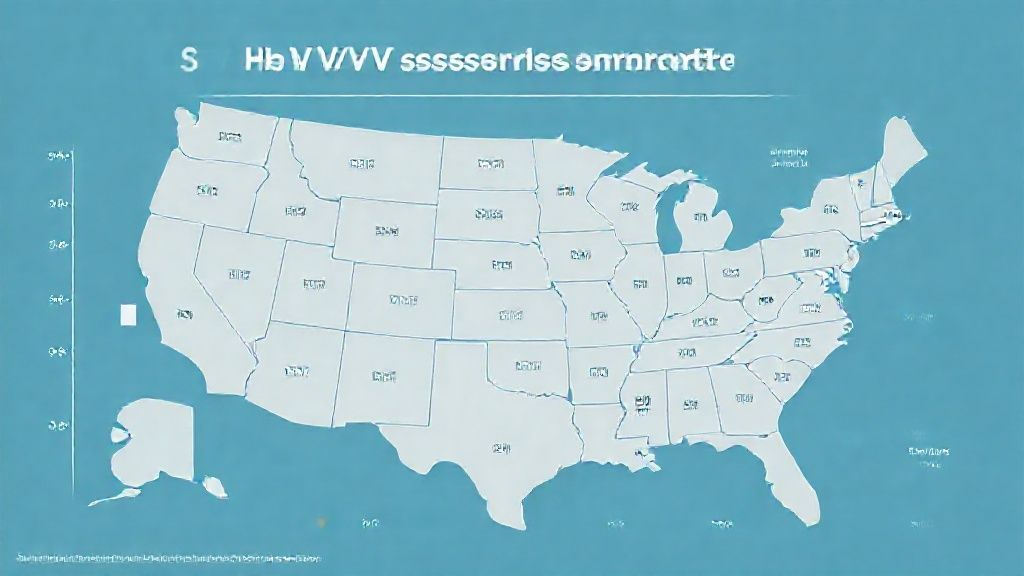
Forecasting the exact HVAC services market size US 2025 involves navigating various reports and projections, but the consensus among industry analysts points towards substantial and sustained growth. While precise figures vary, the US HVAC services market is generally valued in the tens of billions of dollars annually and is expected to continue its robust expansion at a Compound Annual Growth Rate (CAGR) of 4-6% or even higher, depending on the specific segment and market conditions. This trajectory suggests a market that could comfortably approach or exceed $70-80 billion by 2025, driven by the aforementioned factors.
Understanding this overall growth isn’t enough; you must also comprehend its segmentation:
By Service Type:
- Installation & Replacement: This segment continues to be a major revenue driver, fueled by new construction, renovations, and the continuous replacement cycle of aging equipment. As regulations drive efficiency, the complexity and value of these installations also increase. Contractors sourcing units might look to suppliers that buy hvac units wholesale to optimize costs.
- Maintenance & Repair: This segment offers stability and recurring revenue. Preventative maintenance contracts are increasingly popular as consumers seek to extend equipment life, ensure efficiency, and avoid costly breakdowns. The shift towards smart, IoT-enabled systems also facilitates more proactive maintenance strategies.
- Consulting & Energy Audits: With a focus on efficiency and sustainability, demand for expert advice on system optimization, energy savings, and indoor air quality improvements is growing.
By End-Use Sector:
- Residential: This remains the largest segment, driven by homeowner demands for comfort, energy efficiency, and IAQ. The residential market is highly sensitive to housing starts, interest rates, and consumer disposable income. Opportunities here involve everything from single-family homes to multi-family dwellings, often requiring contractors to buy hvac units wholesale for scale.
- Commercial: Encompassing offices, retail spaces, hospitality, healthcare, and industrial facilities, the commercial segment demands specialized knowledge. Businesses prioritize operational continuity, occupant comfort, energy management, and regulatory compliance. The scale of these projects can be significantly larger, and contractors might seek partners like alpha wholesale hvac for consistent supply.
By Equipment Type:
- Heating Equipment: Furnaces, boilers, heat pumps, and radiant heating systems.
- Cooling Equipment: Central air conditioning, ductless mini-splits, chillers.
- Ventilation Equipment: Fans, air purifiers, humidifiers, dehumidifiers, energy recovery ventilators (ERVs), heat recovery ventilators (HRVs).
- Integrated Systems: Growth in systems that combine heating, cooling, and ventilation, often with smart controls. For larger projects, sourcing from suppliers such as alpha wholesale hvac ltd or baker wholesale hvac can be crucial.
Understanding these segments allows contractors to fine-tune their service offerings, marketing strategies, and operational focus to align with the most profitable and rapidly expanding areas of the market. Whether you’re a smaller operation focused on residential repair or a larger outfit handling commercial installations, there’s a clear path to growth if you’re strategic about your positioning, possibly even working with suppliers like bush wholesalers hvac.
Emerging Technologies and Their Impact on the HVAC Industry
Technology isn’t just an add-on; it’s a fundamental driver reshaping the HVAC industry. For contractors, staying ahead means not just understanding these innovations but actively integrating them into your service offerings and operational strategies. The impact of emerging technologies will significantly influence the HVAC services market size US 2025 and beyond.
Smart HVAC Systems and IoT Integration
The proliferation of the Internet of Things (IoT) has led to smarter, more connected HVAC systems. Smart thermostats like Nest, Ecobee, and Honeywell Home are just the tip of the iceberg. Modern systems integrate sensors, data analytics, and cloud connectivity to provide real-time performance monitoring, remote diagnostics, and predictive maintenance capabilities. For contractors, this means:
- Remote Monitoring: Proactively identify issues before they become major breakdowns, offering superior customer service and reducing emergency callouts.
- Predictive Maintenance: Leverage data to schedule maintenance based on actual system wear and performance, rather than fixed intervals, optimizing service delivery.
- Enhanced Efficiency: Fine-tune system operation for maximum energy savings, a key selling point for discerning customers.
Advanced HVAC Equipment: Heat Pumps, VRF, and Geothermal
Beyond traditional furnaces and ACs, advanced equipment types are gaining traction:
- Heat Pumps: With electrification initiatives and improved cold-climate performance, heat pumps are becoming a cornerstone of energy-efficient heating and cooling. Their versatility and lower environmental impact make them increasingly popular.
- Variable Refrigerant Flow (VRF) Systems: Primarily for commercial applications, VRF systems offer superior zoning capabilities and energy efficiency by controlling the amount of refrigerant flowing to each indoor unit. This allows for simultaneous heating and cooling in different zones, a significant advantage for complex buildings.
- Geothermal Systems: While a larger upfront investment, geothermal HVAC systems offer unparalleled efficiency and long-term energy savings by utilizing the stable temperature of the earth. As environmental concerns grow, so does interest in these sustainable solutions.
AI and Machine Learning for Diagnostics and Optimization
Artificial intelligence (AI) and machine learning (ML) are beginning to revolutionize HVAC diagnostics and system optimization. AI algorithms can analyze vast amounts of operational data from smart HVAC systems to detect anomalies, predict failures, and optimize system settings for peak performance and energy efficiency. This technology supports technicians by:
- Faster Troubleshooting: AI-powered diagnostics can pinpoint issues more quickly and accurately, reducing repair times.
- Proactive Problem Solving: Predict potential failures before they occur, allowing for scheduled, preventative repairs instead of disruptive emergency calls.
- System Optimization: Continuously learn and adapt system settings to environmental conditions and occupancy patterns, maximizing efficiency and comfort.
Refrigerant Transitions and Environmental Impact
The industry is in a perpetual state of transition regarding refrigerants, driven by environmental regulations aimed at phasing out high global warming potential (GWP) substances. The ongoing transition from R-410A to newer, lower-GWP refrigerants like R-32 and R-454B requires contractors to stay current with certifications, tools, and best practices for handling these new substances. This change impacts installation, service, and sourcing, where knowing how to buy hvac units wholesale with the correct refrigerants becomes critical.
Embracing these technologies isn’t optional; it’s essential for maintaining a competitive edge. Contractors who invest in training, adopt new tools, and offer these advanced solutions will be best positioned to capture a larger share of the growing market.
Strategic Opportunities for HVAC Contractors in a Growing Market
The projected growth in the HVAC services market size US 2025 isn’t just a statistical projection; it’s a blueprint for opportunity. For contractors, strategic positioning is paramount. Here are the key avenues for growth:
Emphasize High-Efficiency Systems and Sustainability
The market is rapidly shifting towards energy-efficient solutions. Leverage the increased SEER2 standards and consumer demand for lower utility bills and reduced environmental impact. Position your business as an expert in high-efficiency heat pumps, VRF systems, and smart HVAC integrations. Offer comprehensive energy audits to demonstrate tangible savings, transforming a product sale into an investment in efficiency. Promote solutions that align with homeowner and commercial client desires to reduce their carbon footprint.
Expand into Indoor Air Quality (IAQ) Services
Capitalize on heightened awareness of indoor air quality. Beyond simple filter changes, offer a full suite of IAQ solutions: advanced air purification systems (UV-C, HEPA), dehumidifiers, humidifiers, and ventilation assessments. Train your technicians to educate clients on the health benefits and necessity of good IAQ, positioning your company as a holistic comfort and health provider.
Cultivate Recurring Revenue Through Service Agreements
Maintenance contracts are the bedrock of stable, predictable revenue. Focus on selling comprehensive service agreements that include regular tune-ups, priority service, and discounts on repairs. These agreements not only ensure repeat business but also foster long-term customer relationships and help smooth out seasonal fluctuations in demand. Utilize smart system monitoring to offer proactive, rather than reactive, maintenance, increasing the perceived value of your agreements.
Invest in Technician Training and Workforce Development
The skilled labor shortage remains a critical challenge. Proactive investment in ongoing training for your technicians, particularly in new technologies like smart HVAC, heat pumps, and advanced diagnostics, is non-negotiable. Consider apprenticeship programs, partnerships with trade schools, and competitive compensation packages to attract and retain top talent. A highly skilled workforce is your greatest asset in delivering quality service and expanding your capabilities.
Leverage Digital Tools for Operational Efficiency
Beyond customer-facing technology, embrace digital tools for your internal operations. Field service management software, CRM systems, and digital invoicing can streamline workflows, improve communication, and enhance overall efficiency. This allows your team to focus more on service delivery and less on administrative tasks, directly impacting profitability. Efficient operations also mean faster response times and better customer experiences, setting you apart from the competition.
Strategic Sourcing and Supply Chain Management
With potential supply chain disruptions and evolving equipment types, having robust relationships with your suppliers is critical. Explore options to buy hvac units wholesale efficiently. Whether it’s working with alpha wholesale hvac, alpha wholesale hvac ltd, baker wholesale hvac, or bush wholesalers hvac, ensuring access to quality equipment at competitive prices is essential for profitability and timely project completion. Diversify your supplier base to mitigate risks.
The Role of Marketing in Capturing HVAC Market Share
In a growing but increasingly competitive HVAC market, relying solely on word-of-mouth is a path to stagnation. To truly capitalize on the projected HVAC services market size US 2025, a robust, data-driven marketing strategy is not just important—it’s absolutely critical. This is where AC Direct VIP excels, providing ai-powered marketing solutions for hvac contractors designed to drive tangible results.
Establish a Dominant Online Presence
Your website is your digital storefront. It must be professional, mobile-responsive, easy to navigate, and clearly showcase your services, expertise, and customer testimonials. More importantly, it needs to be found. This means investing in:
- Search Engine Optimization (SEO): Optimizing your website for keywords that potential customers are searching for (e.g., “HVAC repair [your city],” “AC installation near me”). A strong local SEO strategy is paramount, ensuring you rank high in local pack results on Google Maps and search. This is precisely what the best hvac seo marketing agency focuses on.
- Google My Business Optimization: An optimized Google My Business profile is essential for local visibility, reviews, and direct customer engagement.
Targeted Digital Advertising
While SEO builds organic visibility over time, digital advertising offers immediate reach and precise targeting:
- Pay-Per-Click (PPC): Google Ads allows you to bid on keywords and appear at the top of search results. This is highly effective for capturing immediate demand from users with urgent needs.
- Social Media Advertising: Platforms like Facebook and Instagram allow for highly granular targeting based on demographics, interests, and even homeownership status, reaching potential customers where they spend their time.
- Retargeting Campaigns: Remind website visitors of your services, keeping your brand top-of-mind and driving conversions.
Content Marketing and Thought Leadership
Educate your customers. Create valuable content—blog posts, FAQs, videos—that addresses common HVAC questions, explains the benefits of new technologies (like smart thermostats or IAQ solutions), and offers maintenance tips. This establishes your authority, builds trust, and provides valuable SEO fodder. Topics could include “Understanding SEER2 Ratings,” “Benefits of a Smart Thermostat,” or “Why is My AC Making That Noise?”
Reputation Management
In the age of online reviews, your reputation is everything. Actively solicit reviews from satisfied customers on Google, Yelp, and other platforms. Respond professionally to all reviews, positive and negative, demonstrating your commitment to customer service. Positive reviews are powerful social proof and a critical ranking factor for local SEO.
Leveraging AI for Marketing Efficiency
This is where the future lies. AI can analyze market data, predict customer needs, optimize ad spending, personalize customer communications, and even automate elements of content creation. For an HVAC contractor, AI-powered marketing means more efficient lead generation, better customer retention, and a higher return on your marketing investment. AC Direct VIP leverages these advanced capabilities to ensure your marketing budget works harder and smarter for you.
Without a strategic and integrated marketing approach, even the best HVAC services will struggle to reach their full potential. Invest in marketing as a core business function, not an afterthought, and you will capture your rightful share of the expanding market.
Future Outlook: HVAC Services Beyond 2025
While our primary focus has been on the HVAC services market size US 2025, it’s crucial for forward-thinking contractors to cast their gaze further into the future. The trends we’ve discussed won’t simply stop at an arbitrary year; they will evolve, deepen, and continue to reshape the industry. Preparing for 2025 is good; positioning for 2030 and beyond is visionary.
Continued Electrification and Decarbonization
The push towards electrification, particularly in residential and commercial heating, will only intensify. As governments and utilities incentivize the transition away from fossil fuels, heat pumps will become even more dominant. Contractors must become experts in heat pump technology, installation, and optimization, understanding their role in a broader decarbonization strategy. This transition will involve significant opportunities for system upgrades and new installations.
Hyper-Personalized Comfort and Integrated Solutions
The future of HVAC isn’t just about single units; it’s about fully integrated home and building management systems. Expect greater demand for hyper-personalized comfort zones, where individual occupants can control their microclimates. This will involve deeper integration of HVAC with building automation, smart home systems, and even health monitoring devices. Contractors will need to think beyond traditional HVAC and embrace roles as comfort and energy management consultants.
Advanced Predictive Maintenance and AI Dominance
AI’s role in diagnostics and optimization will move from emerging to standard practice. Systems will become largely self-monitoring and self-diagnosing, alerting contractors to potential issues before they impact comfort or efficiency. Technicians will transition from reactive repairmen to data analysts and system integrators, using AI-driven insights to perform highly targeted and efficient maintenance.
Sustainability and Circular Economy Principles
Beyond energy efficiency, the industry will increasingly focus on the broader environmental impact of HVAC systems. This includes the lifecycle of refrigerants, the recyclability of equipment components, and the use of sustainable materials in manufacturing and installation. Contractors may find opportunities in equipment recycling, reclamation services, and promoting systems with strong environmental product declarations.
Addressing the Labor Gap with Innovation
The skilled labor shortage will remain a persistent challenge. Solutions will likely involve a combination of enhanced training, automation of routine tasks, and the use of augmented reality (AR) and virtual reality (VR) for remote assistance and training. Attracting younger generations into the trades through technology and demonstrating clear career paths will be vital.
The HVAC contractor of the future will be a technology-savvy, sustainability-focused problem solver, adept at managing complex integrated systems and leveraging data for optimal performance. Those who embrace these shifts now will be the undisputed leaders of the next generation of HVAC services.
Final Thoughts: Your Call to Action
The HVAC services market in the US is on a clear growth trajectory towards and beyond 2025. This isn’t just an abstract statistic; it’s a concrete opportunity for your business. The drivers are clear: regulatory mandates, technological innovation, heightened consumer awareness of comfort and health, and the inescapable reality of climate change. These forces are creating a dynamic environment where adaptation and strategic investment will define success.
You have a choice: watch the market evolve from the sidelines, or actively participate in shaping its future. To thrive, you must be proactive. Invest in training your team on emerging technologies like heat pumps and smart systems. Embrace sophisticated marketing strategies that position you as a leader in efficiency and indoor air quality. Critically, understand that your online presence and digital marketing are no longer optional extras but fundamental pillars of your growth strategy.
AC Direct VIP is built precisely for this moment. We provide the ai-powered marketing solutions for hvac contractors that cut through the noise, connect you with qualified leads, and help you capture market share. Don’t leave your growth to chance. The best hvac seo marketing agency understands these market dynamics and translates them into actionable strategies for your business. The future of HVAC is bright for those who are prepared.
FAQ: HVAC Services Market Size US 2025
What is the projected HVAC services market size US 2025?
The US HVAC services market is projected to continue its robust growth, with various reports indicating a market valuation approaching or exceeding $70-80 billion by 2025. This growth is supported by a Compound Annual Growth Rate (CAGR) generally estimated between 4-6%, driven by replacement cycles, new construction, and technological advancements.
What are the primary drivers for HVAC market growth to 2025?
Key drivers include:
- Regulatory Changes: Such as updated energy efficiency standards (e.g., SEER2) pushing for high-efficiency system upgrades.
- Increased Consumer Demand: For improved indoor air quality (IAQ), comfort, and smart home integration.
- Technological Advancements: The proliferation of smart HVAC systems, IoT, AI diagnostics, and advanced equipment like heat pumps and VRF systems.
- Economic Factors: Consistent new residential and commercial construction, coupled with renovation booms.
- Climate Change: Leading to greater reliance on HVAC systems due to more extreme weather patterns.
How can HVAC contractors capitalize on this market growth?
Contractors can capitalize by:
- Specializing in high-efficiency and sustainable HVAC solutions.
- Expanding service offerings into IAQ and advanced system integrations.
- Developing strong recurring revenue streams through service agreements.
- Investing heavily in technician training and workforce development.
- Implementing efficient operational strategies through digital tools.
- Utilizing advanced digital marketing strategies to capture and retain customers.
What role do emerging technologies play in the HVAC industry’s future?
Emerging technologies like smart HVAC, IoT, AI, and advanced refrigerants are transformative. They enable remote diagnostics, predictive maintenance, enhanced energy efficiency, and a more integrated comfort experience for clients. For contractors, these technologies require ongoing training but unlock new service capabilities and competitive advantages, significantly influencing market service delivery and demand.
Why is marketing crucial for HVAC contractors in a growing market?
Even with market growth, competition remains fierce. Effective marketing is crucial for:
- Visibility: Ensuring your business is found by potential customers searching for HVAC services.
- Lead Generation: Driving qualified leads through targeted digital advertising and SEO.
- Brand Building: Establishing trust and authority in a crowded market.
- Customer Retention: Engaging existing clients and fostering loyalty through consistent communication.
- Market Share Capture: Positioning your business to absorb a larger portion of the expanding market opportunities.