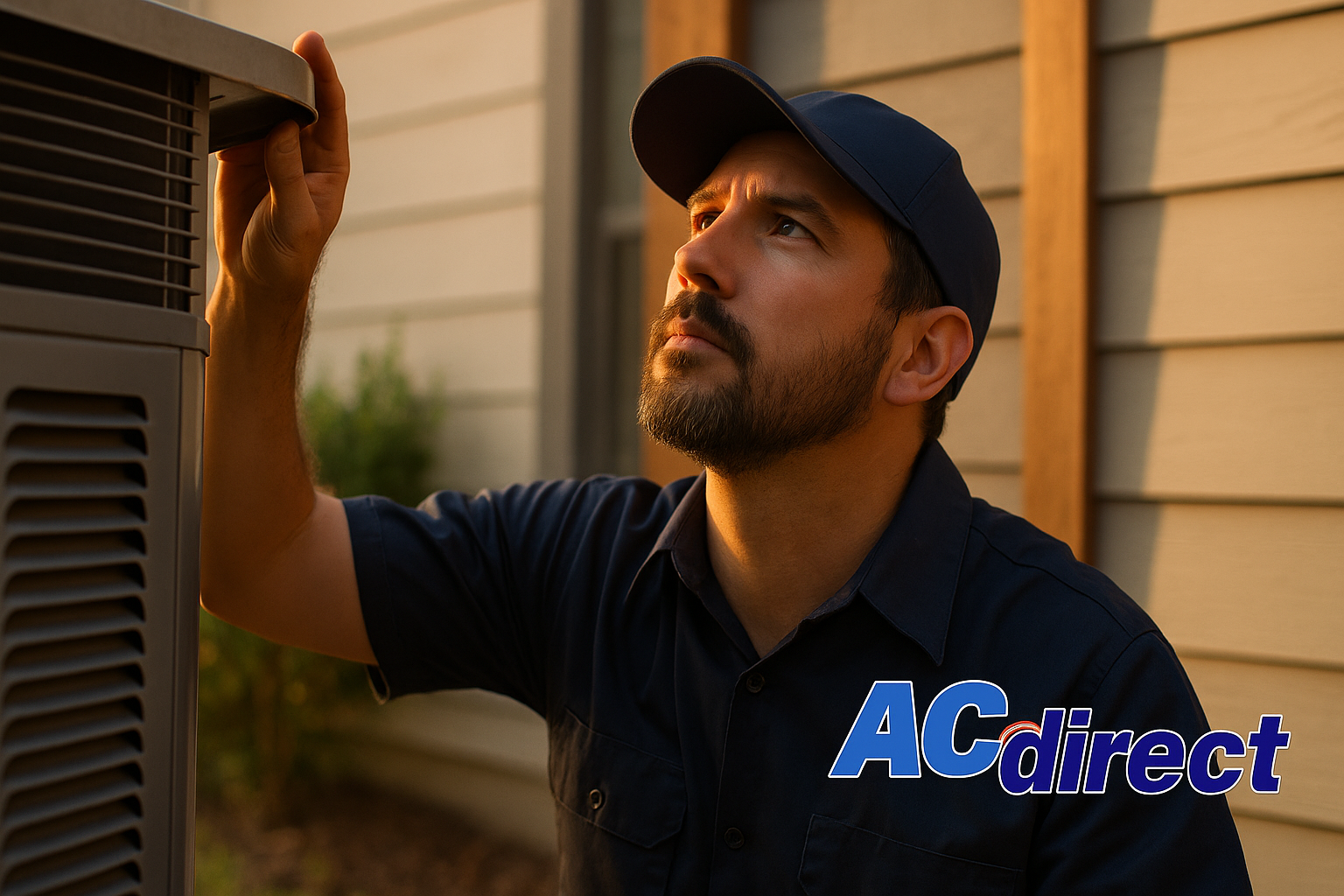
HVAC Marketing Campaign: Strategies & Tips for Success | AC Direct VIP
Listen up. In the HVAC industry, you can’t just be good at fixing furnaces and installing AC units. That’s baseline. To thrive, to dominate your local market, you need a robust, intelligent, and relentless HVAC marketing campaign. This isn’t about throwing money at ads and hoping for the best. It’s about strategic planning, targeted execution, and continuous optimization. At AC Direct VIP, we understand the nuts and bolts of what it takes to get your phone ringing and your appointment book full. Let’s cut through the noise and focus on what truly works.
Key Highlights for Your HVAC Marketing Campaign Success
- Know Your Customer: Tailor your message to the specific needs and pain points of your target audience.
- Strategic Planning is Non-Negotiable: Set clear goals, define your Unique Selling Proposition (USP), and map out your budget.
- Digital Dominance: Leverage SEO, PPC, social media, and email marketing to reach customers where they spend their time.
- Offline Matters Too: Don’t forget local outreach, partnerships, and effective branding through your fleet and service vehicles.
- Measure Everything: Track your campaigns, analyze performance, and be prepared to pivot. Data drives decisions.
- Budget Smart, Not Just Big: Allocate resources effectively to maximize ROI, focusing on channels that deliver results.
- Seize the Season: Capitalize on peak demand and seasonal shifts with timely, relevant offers.
Understanding Your Target HVAC Customer
Before you spend a single dime on advertising, you need to know precisely who you’re talking to. Who are your ideal customers? Are they homeowners in affluent neighborhoods looking for high-efficiency systems? Are they budget-conscious renters needing emergency repairs? Are they small business owners requiring regular commercial maintenance? Each segment has distinct needs, pain points, and preferred communication channels. Ignoring this fundamental step is like trying to hit a target blindfolded.
Start by creating customer personas. Give them names, ages, income levels, common problems, and even their preferred social media platforms. Think about what keeps them up at night regarding their home comfort. Is it the fear of a system breakdown in extreme weather? The desire to save on energy bills? The convenience of smart home integration? Understanding these motivations allows you to craft messages that resonate deeply.
Consider the typical customer journey. How do they realize they need HVAC service? Do they search online for “AC repair near me”? Do they ask neighbors for recommendations? Do they respond to direct mail? Mapping this journey helps you identify critical touchpoints where your marketing efforts will be most effective. This deep dive into customer psychology and behavior isn’t just theory; it’s the foundation of every successful marketing my hvac business endeavor.
Developing a Strong HVAC Marketing Strategy
A marketing campaign without a strategy is just noise. Your strategy is your roadmap, guiding every decision and ensuring all your efforts are aligned towards a common goal. This starts with defining clear, measurable, achievable, relevant, and time-bound (SMART) goals. Do you want to increase service calls by 20% in the next quarter? Boost new installations by 15%? Expand into a new service area? Specific goals provide direction.
Next, identify your Unique Selling Proposition (USP). What makes your HVAC company different? Is it your lightning-fast emergency service? Your unparalleled customer satisfaction guarantee? Your team of highly certified, NATE-certified technicians? Your competitive pricing on high-quality equipment sourced from reliable carrier hvac wholesale distributors? Don’t just say you’re the best; prove it with a clear, concise statement of what sets you apart. This USP should be woven into every piece of your marketing material, from your website to your service technician’s uniform.
Your brand identity also plays a crucial role. This includes your logo, company colors, messaging, and the overall tone of your communication. A consistent, professional brand builds trust and recognition. Finally, you need a budget – a realistic one. Determine how much you can allocate to various marketing channels and stick to it, while also being flexible enough to adjust based on performance. Proper strategic development ensures your investments yield tangible returns.
Essential Digital Marketing Tactics for HVAC Businesses
In today’s world, if you’re not strong online, you’re invisible to a significant portion of your potential customer base. Digital marketing is non-negotiable for HVAC companies.
Search Engine Optimization (SEO)
When someone’s AC goes out in July, where do they go first? Google. Your goal is to be at the top of those search results for terms like “HVAC repair [your city],” “furnace installation [your city],” or “emergency AC service.” This involves optimizing your website with relevant keywords, ensuring it’s fast and mobile-friendly, and building high-quality backlinks. Local SEO is particularly critical; make sure your Google My Business profile is fully optimized with accurate information, photos, and customer reviews. This can also include understanding the broader market dynamics, perhaps even for the hvac valve market, to inform your service offerings and content.
Pay-Per-Click (PPC) Advertising
While SEO is a long game, PPC offers immediate visibility. Google Ads allows you to bid on keywords and appear at the very top of search results. This is invaluable for emergency services where customers need immediate solutions. Target specific geographic areas and optimize your ad copy and landing pages for conversions. Understanding what your local carrier wholesale distributors hvac offer can even help craft compelling service deals in your PPC ads.
Social Media Marketing
Facebook, Instagram, and even Nextdoor can be powerful platforms for HVAC businesses. Share helpful tips (e.g., “3 ways to lower your energy bill”), showcase your team, run contests, and engage with your community. Social media builds relationships and brand loyalty. Testimonials and before-and-after photos of installations resonate well here.
Email Marketing
Build an email list through your website, service calls, and promotions. Use email to send seasonal maintenance reminders, special offers, and valuable content. This is a cost-effective way to nurture existing customer relationships and encourage repeat business. A well-timed email can turn a one-time repair into a long-term service contract. Consider offering exclusive deals on products you source from reliable channels, perhaps even for comfort connect hvac wholesale distributors.
Offline Marketing Approaches for HVAC Companies
While digital marketing dominates, neglecting traditional, local approaches would be a mistake. Offline tactics often complement online efforts, building trust and visibility within your community.
Direct Mail
Postcards and flyers delivered to specific neighborhoods can still be highly effective, especially for seasonal promotions (e.g., “pre-season AC tune-up”). Target areas with older homes or demographics that might be less digitally savvy. Combine direct mail with a special offer or discount to track effectiveness.
Local Partnerships & Community Engagement
Partner with local real estate agents, home inspectors, or property managers. Offer referral fees or exclusive discounts. Sponsor local sports teams, community events, or school fundraisers. Becoming a visible, contributing member of your community builds goodwill and positions your company as a trusted local business. This is also a great way to spread the word about your quality parts and services, perhaps even those you’ve learned about through resources like how to become an hvac wholesaler, showcasing your expertise and connections.
Vehicle Wraps & Signage
Your service vehicles are rolling billboards. Professional, eye-catching vehicle wraps with your logo, contact information, and a clear message are an incredibly cost-effective form of advertising. Similarly, professional yard signs at installation sites can attract neighbors who might be considering similar services. Don’t underestimate the power of consistent, visible branding.
Print Advertising & Local Directories
While less impactful than in the past, local newspapers, community magazines, and physical directories can still reach certain demographics. Evaluate the readership and relevance before investing. Sometimes, a small ad in a well-read local publication can yield surprising results.
Measuring and Optimizing Your HVAC Campaigns for ROI
You wouldn’t run your business without tracking your finances, so why would you run marketing campaigns without tracking their performance? Measurement is critical for understanding what works, what doesn’t, and where your money is best spent. This isn’t optional; it’s fundamental to sustained growth.
Key Performance Indicators (KPIs) you should be tracking include:
- Cost Per Lead (CPL): How much does it cost you to acquire one potential customer through a specific campaign?
- Conversion Rate: What percentage of your leads turn into paying customers?
- Return on Investment (ROI): For every dollar you spend on a campaign, how much revenue does it generate?
- Website Traffic & Engagement: How many visitors come to your site, and what do they do there?
- Call Volume: How many phone calls are your campaigns generating? Use unique tracking numbers for different campaigns.
Tools like Google Analytics, your CRM system, and specific ad platform dashboards provide invaluable data. Review these metrics regularly. If a campaign isn’t performing, don’t be afraid to adjust. A/B test different ad copy, landing pages, or offers to see what resonates best with your audience. Optimization is an ongoing process, not a one-time event. The goal is to continuously improve your marketing efficiency and generate more qualified leads for less money. This iterative process is how you refine your approach, ensuring every dollar spent contributes directly to marketing my hvac business effectively.
Budgeting for HVAC Marketing Success
Marketing isn’t an expense; it’s an investment. But like any investment, it requires careful budgeting and smart allocation. There’s no one-size-fits-all answer for how much to spend, as it depends on your business size, growth goals, and market competitiveness. However, a common rule of thumb for small to medium-sized businesses is to allocate between 7-12% of gross revenue to marketing. For newer businesses looking to establish themselves, this percentage might be higher initially.
Prioritize channels that offer the highest potential ROI for your specific business model. If emergency service is your bread and butter, PPC might be a higher priority than a long-term SEO strategy. If you focus on high-ticket installations, content marketing and local SEO might be more effective for nurturing leads. Don’t spread your budget too thin across too many channels. It’s better to excel at a few key areas than to be mediocre everywhere.
Consider both short-term and long-term investments. PPC and direct mail can yield immediate results, while SEO and content marketing build sustainable, organic traffic over time. Always leave some flexibility in your budget for unexpected opportunities or to scale up successful campaigns. And remember, good parts matter. Securing quality hvac air filters wholesale or other components impacts customer satisfaction and, by extension, your marketing effectiveness through word-of-mouth referrals.
Leveraging Seasonal Opportunities in HVAC Marketing
The HVAC industry is inherently seasonal. Summer means AC repairs and replacements, winter brings furnace issues, and spring/fall are prime times for preventative maintenance. Smart HVAC marketing capitalizes on these cycles.
Summer AC Rush
As temperatures climb, so does the demand for AC service. Launch targeted campaigns in late spring promoting AC tune-ups, new system installations, and emergency repair services. Highlight energy efficiency, comfort, and potential savings. Offer limited-time discounts on installations or bundled service packages. Your messaging should alleviate the fear of a breakdown when it’s sweltering hot.
Winter Heating Demand
Similarly, when the mercury drops, focus shifts to heating. Promote furnace inspections, tune-ups, and heating system replacements. Emphasize safety, reliability, and warmth. Consider partnerships with local gas or electric companies for joint promotions, or highlight government programs related to energy efficiency. For instance, programs encouraged by entities like the Kentucky Energy Cabinet often align with consumer needs for cost-saving and eco-friendly heating and cooling solutions.
Spring & Fall Maintenance
These shoulder seasons are perfect for promoting preventative maintenance plans. Educate customers on the benefits of regular check-ups to extend equipment life, improve efficiency, and prevent costly breakdowns. Offer compelling service agreement packages that provide peace of mind year-round. Use these periods to educate homeowners on system health and the long-term value of professional care.
Pre-scheduling marketing efforts around these seasons ensures your message is relevant and timely, hitting customers when they are most receptive and in need of your services. This proactive approach helps smooth out the peaks and valleys of seasonal demand.
Final Thoughts
Building a successful HVAC marketing campaign isn’t a one-time fix; it’s an ongoing commitment to understanding your market, serving your customers, and continuously refining your approach. It requires dedication, data analysis, and the willingness to adapt. At AC Direct VIP, we advocate for a direct, no-nonsense strategy that delivers real results. Implement these strategies, stay consistent, and watch your HVAC business grow.
FAQ: HVAC Marketing Campaign
Q1: How often should I update my HVAC marketing campaign?
You should be continually monitoring and optimizing your campaigns. Major updates or strategic shifts might occur quarterly or bi-annually, but daily or weekly adjustments to ads, keywords, and content are common. The market is dynamic, and your campaigns need to be too.
Q2: What is the most effective digital marketing channel for HVAC businesses?
For immediate results and high-intent customers, Google Ads (PPC) and Local SEO are often the most effective. People are actively searching for solutions when their HVAC system fails. However, a balanced approach combining these with SEO, social media, and email marketing builds long-term brand equity and customer loyalty.
Q3: Should I hire an in-house marketer or an agency for my HVAC marketing?
This depends on your budget, resources, and the complexity of your marketing needs. An in-house marketer offers dedicated focus but can be expensive. An agency brings specialized expertise and can manage multiple channels, often at a competitive cost. Many businesses start with an agency and, as they grow, may bring some functions in-house. The most important thing is to choose a partner who understands the HVAC industry.
Q4: How important are customer reviews for HVAC marketing?
Extremely important. In the service industry, trust is paramount. Positive online reviews on platforms like Google My Business, Yelp, and Facebook act as powerful social proof. Encourage satisfied customers to leave reviews and respond to all feedback, positive or negative, professionally and promptly. They directly influence your local SEO ranking and customer conversion rates.
Q5: What’s the best way to track the ROI of my HVAC marketing efforts?
Implement call tracking numbers for different campaigns, use unique landing pages with distinct URLs, and integrate your website analytics (like Google Analytics) with your CRM. Regularly review your Cost Per Lead (CPL) and Conversion Rates for each channel. This comprehensive tracking allows you to see exactly which efforts are generating the most profitable business.