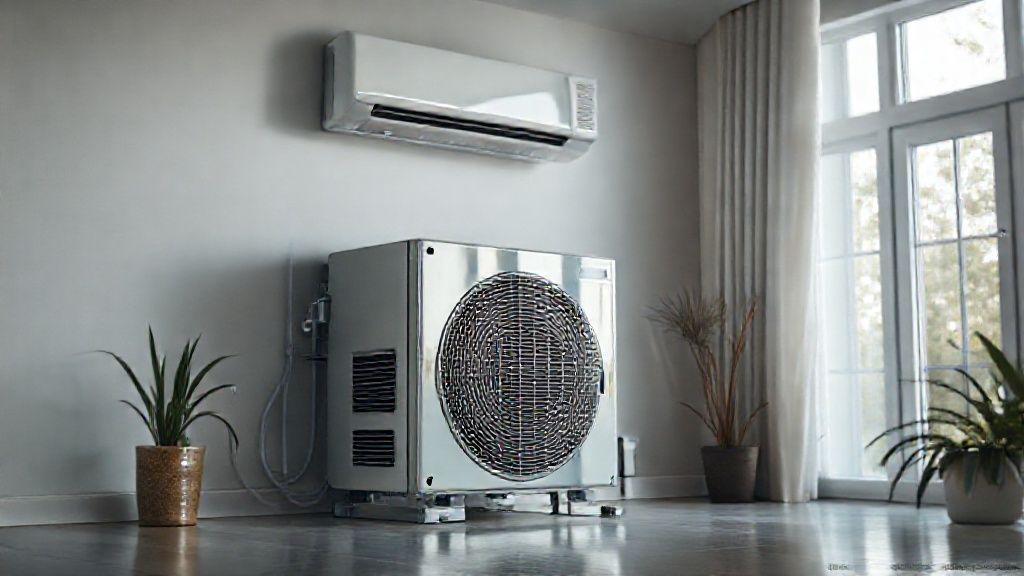
HVAC Equipment Market Growth: Opportunities for Contractors
The HVAC equipment market is undergoing significant growth, presenting substantial opportunities for HVAC contractors. Several factors are driving this expansion, from increasing demand for energy-efficient systems to technological advancements and stricter environmental regulations. Understanding these trends is crucial for contractors looking to capitalize on market changes and grow their businesses. Here’s a detailed look at the dynamics shaping the hvac wholesale companies and how you can position yourself for success.
Key Highlights:
- Rising Demand: Increased need for energy-efficient and eco-friendly HVAC solutions.
- Technological Advancements: Innovations in smart HVAC systems and IAQ technologies.
- Regulatory Impact: Stricter energy efficiency standards pushing for modern equipment.
- Market Expansion: Growth in both residential and commercial sectors globally.
- Opportunities for Contractors: Increased demand for installation, maintenance, and upgrades.
Key Drivers of HVAC Equipment Market Growth
Several key factors are fueling the expansion of the HVAC equipment market. One primary driver is the increasing demand for energy-efficient systems. Consumers and businesses alike are becoming more aware of the long-term cost savings associated with high-efficiency HVAC equipment. Stringent environmental regulations also play a significant role, pushing manufacturers to develop more eco-friendly and compliant products. Moreover, rising disposable incomes in developing countries are enabling more households and businesses to invest in modern HVAC systems, further driving market growth. The construction industry’s expansion also contributes, with new buildings requiring advanced HVAC solutions.
Impact of Energy Efficiency Standards
Energy efficiency standards have a profound impact on the HVAC equipment market. These standards drive the adoption of more advanced and energy-saving technologies. Regulations like SEER ratings and Energy Star certifications influence manufacturers to innovate and develop compliant products. For HVAC contractors, this means increased demand for the installation and maintenance of high-efficiency systems. Educating your clients about the benefits of these systems, including long-term savings and environmental impact, can be a powerful selling point. How to Get More HVAC Business: Proven Strategies for Growth provides useful strategies for growing your HVAC business.
Growth in Residential HVAC Equipment
The residential HVAC equipment sector is experiencing significant growth, with several areas standing out. Ductless mini-split systems are becoming increasingly popular due to their energy efficiency and ease of installation. Smart thermostats are also in high demand as homeowners seek greater control over their indoor climate and energy consumption. High-efficiency furnaces and heat pumps are gaining traction as homeowners prioritize energy savings and comfort. As an HVAC contractor, focusing on these growth areas can help you attract new customers and increase your revenue. Don’t forget to emphasize the rebates and incentives available for energy-efficient upgrades.
Commercial HVAC Equipment Market Trends
The commercial HVAC equipment market is also evolving rapidly. Key trends include the adoption of VRF/VRV systems, which offer superior energy efficiency and zoning capabilities. Chiller replacements are another significant area, as older chillers are often inefficient and costly to operate. Energy-efficient rooftop units are also in demand, particularly for smaller commercial buildings. Furthermore, there’s a growing emphasis on improved indoor air quality (IAQ), driving demand for advanced filtration systems and air purification technologies. Staying up-to-date with these trends will enable you to offer cutting-edge solutions to your commercial clients.
Regional Market Analysis
The HVAC equipment market varies significantly by region, influenced by factors such as climate, economic conditions, and regulatory policies. In North America, there’s a strong focus on energy efficiency and smart home technologies. Europe is driven by stringent environmental regulations and a push for sustainable solutions. The Asia-Pacific region is experiencing rapid growth due to urbanization and rising incomes. Understanding these regional differences is crucial for HVAC contractors looking to expand their businesses into new markets or tailor their offerings to specific customer needs. How to Start an HVAC Business in Louisiana: A Comprehensive Guide offers valuable insights into starting an HVAC business.
Technological Advancements and Innovation
Technological advancements are revolutionizing the HVAC industry. Smart HVAC systems, equipped with sensors and connectivity features, are becoming increasingly common. These systems offer enhanced control, energy efficiency, and remote monitoring capabilities. Innovations in IAQ technologies, such as advanced filtration and UV-C sterilization, are also gaining traction as people become more aware of the importance of clean indoor air. For HVAC contractors, embracing these technologies is essential for staying competitive and meeting evolving customer demands. Training your technicians on the latest advancements will ensure you can provide top-notch service. According to Calpine, continuous learning is essential for growth.
Opportunities for HVAC Contractors
The growth in the HVAC equipment market presents numerous opportunities for HVAC contractors. One of the most obvious is the increased demand for installation services. As more homes and businesses invest in new HVAC systems, the need for skilled installers will continue to rise. Maintenance and repair services are also in high demand, as regular upkeep is essential for ensuring the optimal performance and longevity of HVAC equipment. Offering upgrade services, such as replacing older, inefficient systems with newer, energy-efficient models, can also be a lucrative opportunity. In addition, providing services related to indoor air quality, such as duct cleaning and air purification system installations, can help you tap into a growing market segment.
Strategies for Capitalizing on Market Growth
To effectively capitalize on the HVAC equipment market growth, HVAC contractors should adopt several key strategies. First, invest in training your technicians to handle the latest HVAC technologies. This will ensure you can offer a wide range of services and stay ahead of the competition. Second, focus on marketing your services to highlight the benefits of energy-efficient and smart HVAC systems. Emphasize the long-term cost savings and environmental benefits. Third, build strong relationships with hvac wholesale direct coupon to ensure you have access to the best equipment and pricing. Fourth, expand your service offerings to include IAQ solutions, which are in high demand. Finally, consider offering financing options to make it easier for customers to invest in new HVAC systems.
Challenges and Risks in the HVAC Market
While the HVAC equipment market offers significant opportunities, it also presents certain challenges and risks. One of the main challenges is the increasing competition, as more contractors enter the market. Another risk is the fluctuating cost of materials and equipment, which can impact your profitability. Economic downturns can also affect the demand for HVAC services, as consumers and businesses may postpone investments in new equipment. Additionally, regulatory changes, such as new energy efficiency standards, can require you to adapt your business practices. Being aware of these challenges and developing strategies to mitigate them is essential for long-term success. The importance of solid business planning cannot be overstated. HVAC Business Owner Salary: How Much Can You Really Make? provides insights into HVAC business owner salary considerations.
Future Outlook for HVAC Equipment Sales
The future outlook for HVAC equipment sales remains positive, with continued growth expected in the coming years. Several factors support this optimistic outlook, including ongoing technological advancements, increasing demand for energy-efficient systems, and stricter environmental regulations. The rise of smart home technology and the growing awareness of indoor air quality will also drive demand for advanced HVAC solutions. For HVAC contractors, this means a continued need for skilled technicians, innovative service offerings, and effective marketing strategies. By staying informed and adapting to changing market conditions, you can position your business for sustained success. Consider exploring hvac wholesale direct coupon code for potential savings on equipment.
Final Thoughts
The HVAC equipment market is dynamic, and its growth presents exciting opportunities for HVAC contractors who are prepared to adapt and innovate. By understanding the key drivers of this growth, investing in training, and focusing on customer needs, you can capitalize on the market’s potential and build a thriving business. Remember, staying informed and proactive is crucial for success in this ever-evolving industry.
FAQ Section
What are the primary factors fueling the growth of the HVAC equipment market?
The primary factors include increasing demand for energy-efficient systems, rising disposable incomes in developing countries, stringent environmental regulations, and the growing construction industry.
How do energy efficiency standards impact the HVAC equipment market?
Energy efficiency standards drive the adoption of more advanced and energy-saving HVAC technologies, influencing manufacturers to develop compliant products and consumers to choose efficient options for long-term savings.
What are some growth areas within the residential HVAC equipment sector?
Growth areas include ductless mini-split systems, smart thermostats, high-efficiency furnaces, and heat pumps as homeowners increasingly prioritize energy efficiency and comfort.
What trends are shaping the commercial HVAC equipment market?
Key trends include the adoption of VRF/VRV systems, chiller replacements, and energy-efficient rooftop units. Demand for improved IAQ is also increasing the demand for advanced filtration systems.
How can HVAC contractors benefit from the market growth?
Contractors can benefit by offering installations, maintenance, and repair services for the new and efficient HVAC systems. Investing in training to handle new technologies and expanding their service offerings is also crucial.