HVAC Controls Market: Trends and Opportunities for HVAC Contractors
The HVAC controls market is evolving rapidly, presenting both challenges and significant opportunities for HVAC contractors. Staying informed about the latest trends, technologies, and regulations is essential for growing your business and providing superior service to your customers. Let’s cut to the chase on what you need to know.
Key Highlights
- Growth in smart home technology is driving demand for advanced HVAC controls.
- Energy efficiency regulations are pushing the adoption of more sophisticated control systems.
- Remote monitoring and control capabilities are becoming increasingly important to homeowners.
- Training and certification are crucial for HVAC contractors to stay competitive in this market.
Key Trends Shaping the HVAC Controls Market
Several key trends are reshaping the HVAC controls market. The first is the increasing integration of smart home technology. Homeowners want seamless control over their home environment, including their HVAC systems. This demand is driving the development of more user-friendly and interconnected control solutions.
Another significant trend is the growing emphasis on energy efficiency. Governments and consumers alike are pushing for more energy-efficient HVAC systems, which require advanced controls to optimize performance and reduce energy consumption. This is also influenced by the rising costs of energy and the need for better energy management. hvac marketing case study is a great example of how market trends can impact business strategies.
Finally, the rise of remote monitoring and control is transforming how HVAC systems are managed. Homeowners want to be able to monitor and adjust their systems from anywhere, using their smartphones or other devices. This capability not only provides convenience but also enables proactive maintenance and troubleshooting.
Impact of Smart Home Technology on HVAC Controls
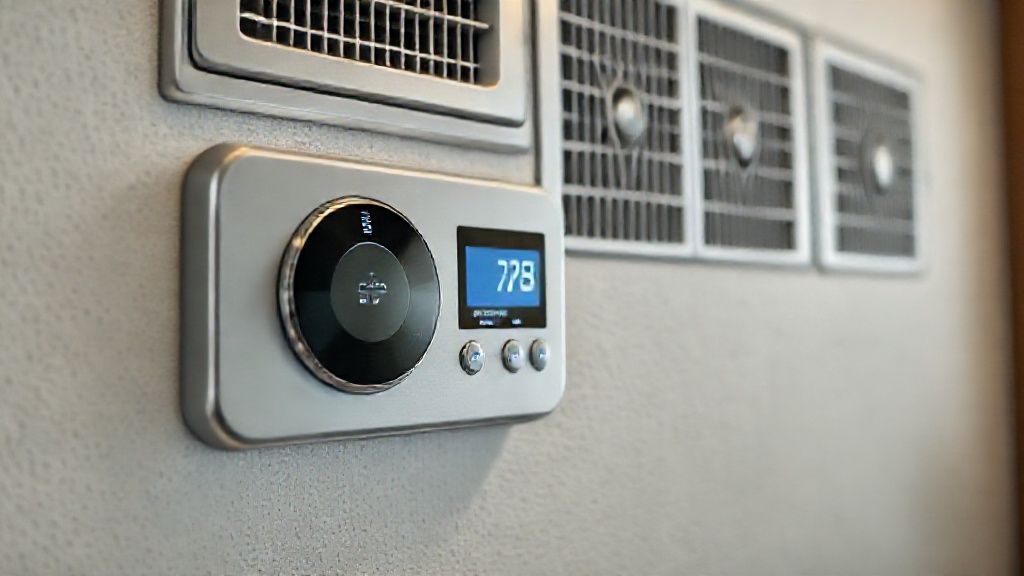
Smart home technology is having a profound impact on HVAC controls. Smart thermostats, for example, are becoming increasingly popular due to their ability to learn user preferences and automatically adjust temperature settings for optimal comfort and energy savings. These devices often integrate with other smart home systems, such as lighting and security, to create a more cohesive and automated home environment.
Furthermore, smart HVAC controls can provide homeowners with detailed insights into their energy consumption patterns. This information can help them identify opportunities to further reduce energy waste and save money on their utility bills. For HVAC contractors, this presents an opportunity to offer value-added services, such as energy audits and system optimization.
Keep an eye on how these systems integrate and make sure that you’re up to speed on the electrical side. Remember to keep OSHA Construction Standards at the front of your mind when you’re on a job site. Safety isn’t just a good idea; it’s the law.
Opportunities for HVAC Contractors in the Controls Market
The growth of the HVAC controls market presents numerous opportunities for HVAC contractors. One of the most obvious is the ability to expand service offerings to include the installation, maintenance, and upgrade of advanced control systems. By becoming proficient in these areas, contractors can attract new customers and increase revenue.
Another opportunity lies in providing ongoing support and maintenance for HVAC control systems. Many homeowners are not comfortable troubleshooting or repairing these systems themselves, so they will rely on HVAC contractors for assistance. This can lead to recurring revenue streams and long-term customer relationships.
Finally, HVAC contractors can capitalize on the demand for energy-efficient solutions by promoting the benefits of advanced HVAC controls to their customers. By highlighting the potential energy savings and improved comfort, contractors can effectively market these systems and drive sales.
Emerging Technologies in HVAC Controls
Several emerging technologies are poised to revolutionize the HVAC controls market. One of the most promising is the use of artificial intelligence (AI) to optimize HVAC system performance. AI-powered controls can learn from historical data and real-time conditions to make intelligent adjustments to temperature settings, airflow, and other parameters.
Another emerging technology is the use of cloud-based monitoring platforms. These platforms allow HVAC contractors to remotely monitor the performance of their customers’ systems, identify potential issues, and proactively address them before they lead to major problems. This can improve customer satisfaction and reduce the need for costly emergency repairs.
Wireless sensors are also playing an increasingly important role in HVAC controls. These sensors can be easily installed in various locations throughout a home or building to provide real-time data on temperature, humidity, and other environmental conditions. This data can then be used to optimize HVAC system performance and improve comfort.
The Role of Regulations and Standards
Regulations and standards play a significant role in the HVAC controls market. Government regulations aimed at promoting energy efficiency are driving the adoption of more advanced control systems. For example, building codes may require the use of programmable thermostats or other energy-saving measures.
Industry standards, such as those developed by ASHRAE (American Society of Heating, Refrigerating and Air-Conditioning Engineers), provide guidelines for the design, installation, and operation of HVAC systems. These standards help ensure that systems are safe, efficient, and reliable. HVAC contractors should be familiar with these regulations and standards and ensure that their work complies with them. HVAC systems and installation practices should adhere to OSHA Construction Standards.
Tax credits and other incentives can also play a role in encouraging the adoption of advanced HVAC controls. Homeowners may be eligible for tax credits or rebates when they install energy-efficient systems, which can make these systems more affordable and attractive.
Choosing the Right HVAC Controls for Your Customers
Choosing the right HVAC controls for your customers requires careful consideration of their specific needs and preferences. Factors to consider include the size and layout of the home, the climate, the customer’s budget, and their level of technical expertise.
It is also important to consider the compatibility of the control system with the existing HVAC equipment. Some control systems may only work with certain types of equipment, so it is essential to ensure that the chosen system is compatible. If you want to check out york hvac wholesale or alpha wholesale hvac and alpha wholesale hvac ltd to research HVAC wholesale, it might help to get ideas about specific equipment.
Finally, HVAC contractors should provide their customers with clear and unbiased advice on the various control options available. By explaining the pros and cons of each option, contractors can help their customers make informed decisions that meet their needs and budget.
Integrating HVAC Controls into Existing Systems
Integrating HVAC controls into existing systems can be a complex process, particularly if the existing equipment is older or not designed to be easily integrated. In some cases, it may be necessary to replace some or all of the existing equipment to ensure seamless integration.
Before beginning the integration process, it is important to thoroughly assess the existing system and identify any potential challenges. This may involve inspecting the equipment, reviewing the wiring diagrams, and testing the system’s performance.
During the integration process, it is crucial to follow the manufacturer’s instructions carefully. Incorrect installation can lead to system malfunctions, reduced performance, and even safety hazards. HVAC contractors should also take steps to protect the existing equipment from damage during the integration process.
Training and Certification for HVAC Control Installation
Proper training and certification are essential for HVAC contractors who want to install and maintain advanced HVAC control systems. These systems are becoming increasingly complex, and contractors need to have the knowledge and skills to install them correctly and troubleshoot any problems that may arise.
Training programs are available from a variety of sources, including manufacturers, trade associations, and vocational schools. These programs typically cover topics such as control system design, installation techniques, networking basics, and troubleshooting procedures. Also, How to Effectively Advertise Your HVAC Business: A Contractor’s Guide can provide some helpful information.
Certification can also enhance an HVAC contractor’s credibility and expertise. Many manufacturers offer certification programs for their control systems, which can demonstrate to customers that the contractor has the necessary skills and knowledge to install and maintain these systems properly.
Marketing HVAC Control Upgrades to Homeowners
Marketing HVAC control upgrades to homeowners requires a strategic approach that highlights the benefits of these systems. One of the most effective ways to market these upgrades is to focus on the potential energy savings. Homeowners are often motivated to invest in energy-efficient systems if they can see a clear return on their investment in the form of lower utility bills.
Another effective marketing strategy is to emphasize the improved comfort and convenience that advanced HVAC controls can provide. Features such as remote access, programmable settings, and automatic temperature adjustments can make a home more comfortable and convenient to live in.
Finally, HVAC contractors should offer competitive pricing and financing options to make HVAC control upgrades more affordable for homeowners. By offering flexible payment plans and attractive discounts, contractors can encourage more homeowners to invest in these systems. If you ever consider selling your business, Valuing Your HVAC Business: A Contractor’s Guide to Determining Worth will help you with determining value.
Final Thoughts
The HVAC controls market is ripe with opportunities for contractors who are ready to adapt and learn. By staying informed about the latest trends, investing in training, and marketing the benefits of advanced controls to homeowners, you can position your business for long-term success.
FAQ Section
What are the key trends impacting the HVAC controls market?
The HVAC controls market is being significantly influenced by the growth of smart home technology, increasing energy efficiency regulations, and the demand for remote monitoring and control capabilities.
How can HVAC contractors benefit from the growth of the HVAC controls market?
HVAC contractors can benefit by expanding their service offerings to include installation, maintenance, and upgrades of advanced HVAC control systems. This can lead to increased revenue and customer satisfaction.
What are some emerging technologies in HVAC controls?
Emerging technologies include AI-powered controls, cloud-based monitoring platforms, wireless sensors, and advanced algorithms for optimizing HVAC system performance.
What are the benefits of smart HVAC controls for homeowners?
Smart HVAC controls offer homeowners increased energy savings, improved comfort, remote access and control, and enhanced system monitoring for proactive maintenance.
What kind of training do HVAC contractors need to install and maintain advanced HVAC controls?
HVAC contractors should seek training on specific control systems, networking basics, and troubleshooting techniques. Certifications from manufacturers can also enhance credibility and expertise.