Capitalizing on the Green HVAC Market: Opportunities for HVAC Contractors
The HVAC industry is evolving, and one of the most significant shifts is the rise of the green HVAC market. Homeowners and businesses alike are increasingly seeking energy-efficient, environmentally responsible heating and cooling solutions. This presents a massive opportunity for HVAC contractors who are ready to adapt and capitalize. I’m Dave Watson, and I’ve seen firsthand how being ahead of the curve can make or break a business. Let’s talk about how you can position your company to thrive in this new landscape.
- Understand the Market: Know the key drivers and trends shaping green HVAC.
- Embrace Technology: Familiarize yourself with eco-friendly HVAC solutions.
- Target Customers: Market your green services effectively to attract the right clients.
- Leverage Incentives: Help customers access rebates and financing for green upgrades.
- Get Certified: Enhance your expertise with relevant training and certifications.
Understanding the Green HVAC Market Landscape
The green HVAC market isn’t just a fad; it’s a fundamental shift in consumer demand and regulatory focus. It encompasses HVAC systems designed for minimal environmental impact, reduced energy consumption, and improved indoor air quality. This includes everything from high-efficiency air conditioners and furnaces to heat pumps and smart thermostats. Contractors who understand the nuances of this market are better positioned to offer valuable solutions and capture a larger share of the growing demand. This market is growing and now is the time to take advantage of hvac marketing tools.
Key Drivers of Green HVAC Demand
Several factors are fueling the growth of the green HVAC market:
Environmental Awareness
Consumers are more aware than ever of the impact their choices have on the environment. They’re actively seeking products and services that reduce their carbon footprint and contribute to a more sustainable future. For many, that starts with their home’s energy consumption. This growing environmental awareness is a significant driver of demand for green HVAC solutions.
Government Regulations
Federal, state, and local governments are implementing regulations to promote energy efficiency and reduce greenhouse gas emissions. These regulations often include energy efficiency standards for HVAC equipment, building codes that mandate green building practices, and incentives for homeowners and businesses to invest in energy-efficient upgrades. Stay up to date on the changing landscape.
Energy Costs
Rising energy costs are a major concern for homeowners and businesses. Green HVAC systems offer the potential to significantly reduce energy consumption and lower monthly utility bills. As energy prices continue to climb, the financial incentives for investing in energy-efficient HVAC equipment become even more compelling. The increase in energy costs over the last few years has made many look for cheaper and greener solutions.
Rebates and Incentives
Many utility companies, government agencies, and other organizations offer rebates and incentives to encourage the adoption of green HVAC technologies. These financial incentives can significantly reduce the upfront cost of green HVAC systems, making them more accessible and attractive to consumers. Make sure your customers know about these programs and how to apply.
Eco-Friendly HVAC Technologies and Solutions
The green HVAC market offers a range of technologies and solutions that contractors can offer to their customers:
High-Efficiency Air Conditioners and Furnaces
These systems are designed to operate more efficiently than standard models, reducing energy consumption and lowering utility bills. Look for models with high SEER (Seasonal Energy Efficiency Ratio) and AFUE (Annual Fuel Utilization Efficiency) ratings. It’s important to know the day and night hvac wholesale so you can find exactly what you need.
Heat Pumps
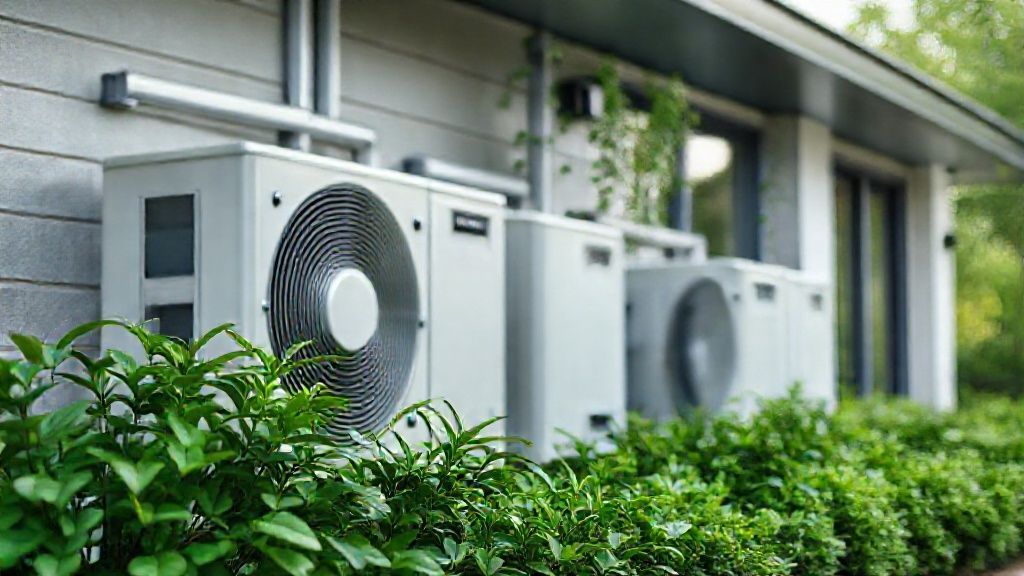
Heat pumps are highly efficient heating and cooling systems that transfer heat rather than generating it. They can provide significant energy savings compared to traditional furnaces and air conditioners. Air-source heat pumps and geothermal heat pumps are two common types. Many of these can be purchased at hvac wholesalers.
Ductless Mini-Split Systems
Ductless mini-split systems are a great option for homes without existing ductwork or for adding heating and cooling to specific areas. They offer high energy efficiency and individual zone control. A good relationship with your hvac wholesaler will help you get the best prices.
Smart Thermostats
Smart thermostats allow homeowners to precisely control their heating and cooling systems, optimizing energy consumption and reducing waste. They can be programmed to adjust temperatures based on occupancy, weather conditions, and other factors. Many can be controlled remotely via smartphone.
Refrigerants with Lower Global Warming Potential
Traditional refrigerants have a high global warming potential (GWP), contributing to climate change. Newer refrigerants with lower GWP, such as R-32 and R-454B, are becoming increasingly common in green HVAC systems. Contractors need to be familiar with the safe handling and disposal of these refrigerants.
Marketing Green HVAC Services to Attract Customers
Effectively marketing your green HVAC services is crucial for attracting environmentally conscious customers and growing your business. Here are some strategies to consider:
Highlight Energy-Saving Benefits
Emphasize the potential energy savings and reduced utility bills that customers can achieve by investing in green HVAC systems. Use case studies, testimonials, and energy savings calculators to illustrate the financial benefits.
Promote Your Commitment to Sustainability
Communicate your company’s commitment to sustainability through your website, marketing materials, and community involvement. Highlight your use of eco-friendly products, your efforts to reduce waste, and your support for environmental causes.
Target Environmentally Conscious Customers
Identify and target environmentally conscious customers through online advertising, social media, and partnerships with environmental organizations. Focus your messaging on the benefits of green HVAC for the environment and for their wallets.
Offer Financing Options
Make green HVAC upgrades more accessible by offering financing options to your customers. This can help overcome the upfront cost barrier and make it easier for them to invest in energy-efficient solutions. Making it easy for customers to afford your services is key in today’s market. Consider How to Advertise Your HVAC Business: A Comprehensive Guide for additional marketing ideas.
Emphasize Rebates and Incentives
Inform your customers about available rebates and incentives for green HVAC upgrades. Help them navigate the application process and maximize their savings. Become an expert in local and federal programs.
Navigating Rebates, Incentives, and Financing Options
Successfully navigating rebates, incentives, and financing options is a key part of offering green HVAC services. Here’s what you need to know:
Research Available Programs
Stay up-to-date on federal, state, and local rebates and incentives for green HVAC upgrades. Contact utility companies, government agencies, and other organizations to gather information about available programs and eligibility requirements.
Help Customers Apply
Assist your customers in completing the necessary paperwork and documentation to apply for rebates and incentives. Provide clear instructions and guidance to ensure they meet all the requirements. It’s important that you’re there for the customer during this process.
Offer Financing Options
Partner with lenders or financial institutions to offer financing options for green HVAC upgrades. This can include low-interest loans, energy-efficient mortgages, and other financing products designed to make green investments more affordable. Consider all available funding options.
Streamline the Process
Develop a streamlined process for helping customers access rebates, incentives, and financing. This will make it easier for them to invest in green HVAC solutions and improve their overall experience. The easier the process is, the more likely people are to pursue it.
Training and Certification for Green HVAC Expertise
Investing in training and certification is essential for HVAC contractors who want to establish themselves as experts in the green HVAC market. Here’s why:
Enhanced Knowledge and Skills
Training programs provide contractors with the knowledge and skills they need to properly install, maintain, and repair green HVAC systems. This includes understanding the latest technologies, best practices, and safety procedures.
Increased Credibility
Certifications demonstrate your expertise and commitment to quality, enhancing your credibility with customers and building trust. Certifications are a third-party validation of your skills.
Competitive Advantage
Contractors with green HVAC certifications have a competitive advantage over those who don’t. They are better positioned to win bids, attract customers, and grow their businesses.
One of the most respected certifications in the HVAC industry is NATE Technician Certification. This certification demonstrates a technician’s knowledge and skills in HVAC installation, maintenance, and repair. Additional certifications focused on energy efficiency and specific green technologies can further enhance your expertise.
Relevant Certifications
- NATE Certification (North American Technician Excellence)
- EPA Section 608 Certification (for refrigerant handling)
- Manufacturer-Specific Training (on heat pumps, etc.)
Building a Sustainable HVAC Business for the Future
Capitalizing on the green HVAC market is not just about short-term profits; it’s about building a sustainable business for the future. By embracing green technologies, marketing your services effectively, and investing in training and certification, you can position your company for long-term success in a rapidly evolving industry. Don’t forget that How to Value a Small HVAC Business: A Comprehensive Guide for Contractors can help you evaluate your business as you make these changes.
Final Thoughts
The green HVAC market presents a wealth of opportunities for HVAC contractors who are willing to embrace change and adapt to new demands. By understanding the key drivers of this market, investing in eco-friendly technologies, and marketing your services effectively, you can capture a larger share of the growing demand for sustainable heating and cooling solutions. Remember, it’s not just about being green; it’s about being smart and building a thriving business for the future. Stay informed, stay ahead, and you’ll see the benefits.
FAQ
What exactly is the “green HVAC market”?
The green HVAC market refers to the increasing demand for heating, ventilation, and air conditioning systems that are energy-efficient, environmentally friendly, and promote sustainability. It includes technologies like heat pumps, high-efficiency furnaces, smart thermostats, and refrigerants with lower global warming potential.
Why is the green HVAC market growing?
Several factors are driving the growth, including increasing consumer awareness of environmental issues, government regulations promoting energy efficiency, rising energy costs, and the availability of rebates and incentives for green HVAC upgrades.
What are some examples of eco-friendly HVAC technologies?
Examples include high-efficiency air conditioners and furnaces, heat pumps (air-source and geothermal), ductless mini-split systems, smart thermostats, and refrigerants with lower global warming potential (e.g., R-32, R-454B).
How can HVAC contractors market their green services?
Contractors can highlight the energy-saving benefits of green HVAC systems, promote their commitment to sustainability, target environmentally conscious customers, offer financing options, and emphasize available rebates and incentives.
What training and certifications are beneficial for working with green HVAC technologies?
Relevant certifications include NATE certification with a focus on energy efficiency, EPA Section 608 certification for refrigerant handling, and training specific to the installation and maintenance of heat pumps and other advanced green technologies.