Ductless HVAC System Market: Growth Trends, Analysis & Opportunities | AC Direct VIP
Alright, let’s talk brass tacks about the ductless HVAC system market. If you’re running an HVAC business and you’re not paying close attention to this sector, you’re leaving money on the table. It’s not just a niche product anymore; it’s a significant, rapidly expanding segment of the heating, ventilation, and air conditioning industry. For too long, some in our industry have viewed ductless systems as a secondary offering, something for specific applications only. That mindset is outdated. The data clearly shows a paradigm shift, driven by consumer demand for efficiency, flexibility, and advanced technology.
At AC Direct VIP, we see the trends firsthand. Homeowners and commercial clients alike are recognizing the undeniable advantages of ductless mini-splits and multi-splits. We’re talking about precise zone control, remarkable energy savings, and installation versatility that traditional ducted systems simply can’t match. This isn’t just about selling a unit; it’s about providing a superior comfort solution that aligns with modern priorities.
This report isn’t theoretical. It’s built on real-world observations and market analytics, designed to give you a clear, actionable picture of where the ductless HVAC system market is heading and how your business can capitalize on its momentum. We’ll cut through the noise and get straight to what matters: the growth drivers, the innovations, the regional specifics, and most importantly, the opportunities for your bottom line.
Key Highlights
- Explosive Growth: The global ductless HVAC system market is experiencing substantial year-over-year growth, projected to continue for the foreseeable future, driven by energy efficiency demands and increasing urbanization.
- Energy Efficiency Imperative: Inverter technology and variable refrigerant flow (VRF) systems are setting new benchmarks for energy savings, appealing to environmentally conscious consumers and those facing rising utility costs.
- Technological Prowess: Integration with smart home systems, advanced filtration, and improved aesthetics are making ductless systems more appealing and functional than ever before.
- Regional Divergence: While global growth is strong, specific regions present unique opportunities and challenges, influenced by climate, existing infrastructure, and regulatory frameworks.
- Untapped Potential: Significant opportunities exist for HVAC contractors who prioritize specialized training, proactive marketing, and excellent customer service in this evolving sector.
- Strategic Sourcing: Access to reliable, plumbing and hvac wholesale channels for ductless units and components is critical for competitive pricing and timely project completion.
Understanding the Ductless HVAC System Market Landscape
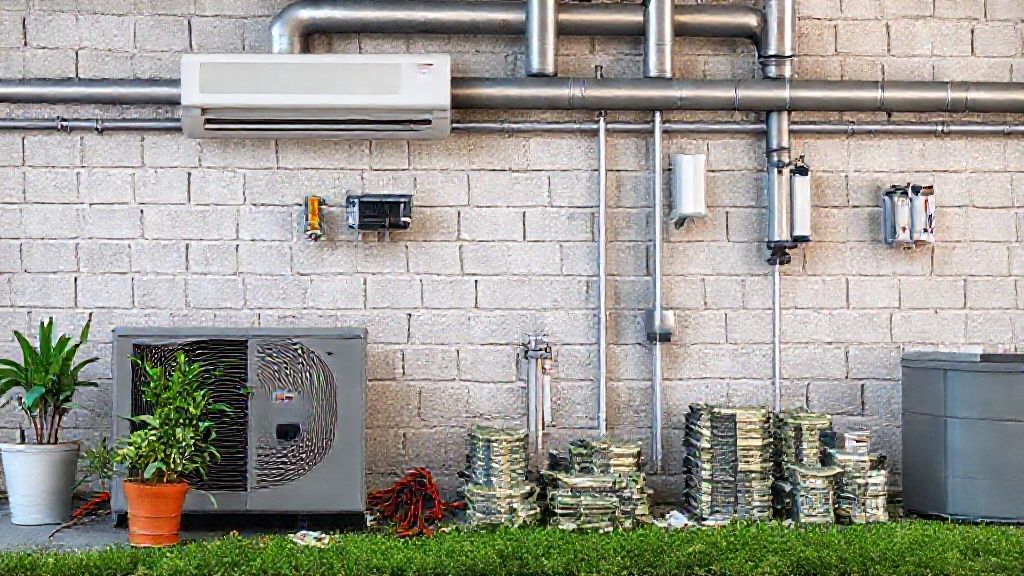
Let’s define what we’re talking about. Ductless HVAC systems, primarily mini-split and multi-split systems, operate without the extensive network of ductwork that characterizes central HVAC. They consist of an outdoor condenser/compressor unit connected to one or more indoor air-handling units via refrigerant lines and electrical wiring. This setup allows for individual temperature control in different zones or rooms, a feature that’s becoming non-negotiable for many customers.
The market landscape for these systems is dynamic. Initially popular in areas where ductwork was impractical—think historic homes, room additions, or commercial spaces requiring segmented climate control—ductless systems are now becoming a primary choice for new construction and whole-home solutions. This shift is not accidental. It’s a direct response to several converging factors:
First, energy costs. Consumers are acutely aware of their utility bills. Ductless systems, with their inherent ability to heat or cool only occupied spaces and utilize highly efficient inverter technology, offer significant savings compared to traditional systems that often condition an entire building unnecessarily.
Second, flexibility. Installation is less invasive, making them ideal for retrofits. The absence of ductwork eliminates energy losses common in leaky ducts, and the indoor units come in various styles—wall-mounted, ceiling cassette, floor-standing—to blend with diverse aesthetics.
Third, improved air quality. Without ducts, there’s no accumulation of dust, allergens, and mold within the ductwork itself to be recirculated. Modern ductless units also incorporate advanced filtration systems, providing superior indoor air quality, a major concern for today’s health-conscious consumers.
As an HVAC professional, understanding these foundational aspects is crucial. It’s not about selling a product; it’s about selling a solution that offers energy efficiency, comfort, and healthier indoor environments. This understanding forms the bedrock of any successful strategy in the ductless HVAC system market.
Key Drivers Fueling Ductless HVAC Market Growth
The growth isn’t just a blip; it’s a sustained trend powered by several key drivers:
Energy Efficiency Mandates and Consumer Awareness
Governments worldwide are tightening energy efficiency standards for buildings and appliances. For example, initiatives like those supported by the Arizona Governor’s Office of Resiliency and similar bodies across the globe are pushing for greener building practices. Ductless systems, with their high SEER (Seasonal Energy Efficiency Ratio) and HSPF (Heating Seasonal Performance Factor) ratings, often exceed these minimums, making them an attractive, future-proof option. Consumers, increasingly educated about their carbon footprint and the impact of energy consumption on their wallets, are actively seeking out these efficient solutions.
Zone Control and Personalized Comfort
The ability to precisely control temperatures in individual rooms or zones is a game-changer. Why cool an empty bedroom all day? Ductless multi-zone systems allow occupants to set different temperatures in different areas, catering to individual preferences and reducing energy waste. This level of personalized comfort is a significant draw, especially in homes or offices with diverse needs.
Installation Flexibility and Versatility
The compact design and minimal installation requirements of ductless systems open up new markets. They are perfect for:
- Additions and Renovations: Easy to integrate without costly ductwork extensions.
- Historic Buildings: Maintain architectural integrity where traditional ducts are impossible.
- Server Rooms and Spot Cooling: Provide dedicated cooling for specific, heat-generating areas.
- Rental Properties: Offer individual tenant billing for HVAC use.
- Tiny Homes and Modular Construction: Space-saving and efficient.
Smart Home Integration and IoT
Modern consumers expect their home systems to be connected. Ductless units are increasingly equipped with Wi-Fi capabilities, allowing control via smartphones, smart thermostats, and voice assistants. This integration enhances user convenience, offers remote monitoring, and facilitates energy management, further boosting their appeal.
Reduced Environmental Impact
Beyond energy efficiency, the absence of ductwork minimizes refrigerant leakage points and reduces the use of materials. Many manufacturers are also adopting eco-friendly refrigerants. This aligns with a global push towards sustainable building practices, making ductless systems a preferred choice for environmentally conscious projects.
Technological Advancements and Innovations in Ductless Systems
The ductless market isn’t stagnant; it’s a hotbed of innovation. Manufacturers are constantly pushing the boundaries, making these systems more efficient, quieter, and smarter.
Inverter Technology
This is the backbone of modern ductless efficiency. Instead of cycling on and off like conventional compressors, inverter-driven compressors modulate their speed to precisely match the heating or cooling load. This not only saves energy but also provides more consistent temperatures and extends the lifespan of the equipment. If you’re looking for wholesale carrier hvac or trane hvac wholesale, ensure you’re getting units with advanced inverter tech.
Variable Refrigerant Flow (VRF) Systems
For larger commercial or multi-family residential projects, VRF systems take the principles of ductless to the next level. A single outdoor unit can connect to numerous indoor units, offering simultaneous heating and cooling in different zones, unparalleled efficiency, and precise control over extensive spaces. This is a premium solution, but one that offers incredible long-term value.
Enhanced Air Quality Features
Beyond basic filtration, many high-end ductless units now incorporate:
- Plasma Ionizers: To neutralize allergens, viruses, and bacteria.
- Active Carbon Filters: To remove odors.
- Self-Cleaning Coils: To prevent mold and mildew growth within the indoor unit.
- Advanced Sensors: To detect pollutants and adjust filtration accordingly.
These features are a powerful selling point, especially in today’s health-conscious market. Consider stocking wholesale air filters hvac for these advanced systems.
Aesthetic and Design Improvements
Manufacturers are responding to consumer demand for units that don’t just perform but also look good. Indoor units are becoming sleeker, smaller, and available in various colors and designs to integrate seamlessly into modern interiors. Ceiling cassettes, for instance, offer a discreet installation that’s barely noticeable.
Advanced Control Systems
Beyond basic Wi-Fi, we’re seeing advanced algorithms that learn user preferences, optimize schedules, and integrate with demand-response programs from utility companies. Predictive analytics and smart diagnostics are also becoming standard, allowing for proactive maintenance and faster troubleshooting.
Regional Analysis and Market Projections for Ductless HVAC
The global ductless HVAC system market is not monolithic. Growth rates and drivers vary significantly by region, presenting different opportunities and challenges for businesses.
North America
The U.S. and Canada are seeing robust growth, primarily driven by energy efficiency incentives, increasing demand for zone control in existing homes (especially older properties without ductwork), and the popularity of home additions. The commercial sector is also adopting VRF systems for office buildings and hospitality. Regulatory pushes for electrification and heat pump adoption are further accelerating this trend.
Europe
Europe has long been a strong market for ductless, particularly in the Mediterranean and Eastern European countries where traditional central HVAC is less common. The push for decarbonization and the phasing out of fossil fuel heating systems are major drivers. Germany, France, and the UK are showing increasing adoption rates, fueled by government subsidies for heat pump installations.
Asia-Pacific
This region continues to be the largest and fastest-growing market, led by countries like China, Japan, and India. Rapid urbanization, a booming construction industry, and increasing disposable incomes are fueling demand. Climate extremes (hot summers, cold winters) and a strong focus on energy conservation also contribute significantly. The sheer scale of development here ensures sustained, high-volume demand.
Latin America and Middle East & Africa
These regions are emerging markets with significant potential. Economic development, increasing electrification, and a need for efficient cooling solutions in hot climates are the primary drivers. As infrastructure improves and consumer awareness grows, the adoption of ductless systems is expected to accelerate.
Market Projections: Industry reports consistently project a compound annual growth rate (CAGR) for the global ductless HVAC market in the high single digits, nearing double digits in some segments, over the next 5-7 years. This translates to billions of dollars in new market value, making it an undeniable area for strategic focus for any serious HVAC business. If you’re wondering where can i find wholesale prices on hvac equipment, this growth means manufacturers are keen to support distributors and contractors, so leverage that.
Challenges and Opportunities for HVAC Businesses in the Ductless Sector
While the opportunities are vast, success in the ductless market isn’t guaranteed. There are challenges that smart businesses must address head-on.
Challenges:
- Specialized Training: Ductless systems, especially VRF, require specialized installation, maintenance, and diagnostic training. It’s different from traditional split systems. A lack of adequately trained technicians can hinder growth.
- Consumer Education: Despite growing awareness, many consumers still don’t fully understand the benefits or even the existence of ductless systems as a whole-home solution. Overcoming misconceptions about cost or capability is ongoing.
- Initial Cost Perception: While offering long-term savings, the upfront cost of a multi-zone ductless system can sometimes be higher than a basic central system. Articulating the value proposition clearly is critical.
- Competition: As the market grows, so does the competition. Differentiating your services through expertise, quality, and customer experience becomes paramount.
- Sizing and Design Complexity: Proper sizing and system design for multi-zone applications can be more complex than single-zone systems. Mistakes here lead to inefficient operation and customer dissatisfaction.
Opportunities:
- Untapped Market Segments: Target specific niches like older homes, commercial server rooms, schools, hospitality, or multi-family housing. Each presents unique opportunities for ductless solutions.
- High-Margin Sales and Services: Ductless installations often involve higher per-unit revenue compared to commodity products. Maintenance contracts for these advanced systems can also be very profitable.
- Differentiation and Specialization: By becoming a certified expert in ductless and VRF systems, your business can stand out from general HVAC contractors. This specialization builds trust and commands premium pricing.
- Upselling and Cross-selling: Ductless systems integrate well with smart home technology, air purification systems, and energy management solutions, creating opportunities for additional sales.
- New Construction Partnerships: Educate builders on the energy efficiency and aesthetic benefits of incorporating ductless systems into new residential and light commercial projects.
Effective Marketing Strategies for Ductless HVAC Services
You can have the best product and the most skilled technicians, but without effective hvac web marketing, your potential remains untapped. Here’s how to position your business for success in the ductless market:
Educate, Don’t Just Sell
Your marketing materials should focus heavily on education. Create blog posts, videos, and infographics that explain:
- “What is a Ductless Mini-Split and How Does It Work?”
- “5 Ways Ductless HVAC Can Save You Money”
- “Zone Control: The Ultimate Guide to Personalized Comfort”
- “Ductless vs. Central Air: Which is Right for Your Home?”
Use clear, simple language. Address common myths and provide tangible benefits.
Showcase Success Stories
Case studies and testimonials are powerful. Feature local homeowners or businesses who have benefited from your ductless installations. Include before-and-after photos, energy bill comparisons, and quotes about improved comfort. This builds trust and provides social proof.
Targeted Digital Advertising
Utilize platforms like Google Ads and social media to target specific demographics:
- Homeowners in older neighborhoods without existing ductwork.
- People searching for “room additions” or “garage conversions.”
- Commercial property managers looking for efficient zone control.
- Consumers interested in “energy-efficient heating and cooling.”
Focus on local SEO to ensure your business appears in searches for “ductless HVAC near me.” A strong marketing hvac strategy is non-negotiable.
Partnerships and Referrals
Forge relationships with:
- General Contractors/Remodelers: They are often the first point of contact for home additions.
- Architects and Designers: They appreciate the aesthetic flexibility of ductless units.
- Real Estate Agents: Educate them on how ductless systems increase property value and appeal.
- Utility Companies: Stay informed about and promote any rebates or incentives for high-efficiency ductless installations.
Offer Comprehensive Service Packages
Position yourself as a full-service provider. Offer:
- Free consultations and custom system designs.
- Professional installation by NATE-certified technicians specializing in ductless.
- Robust maintenance plans to ensure long-term performance and efficiency.
- Financing options to make the upfront investment more manageable.
Leverage Visual Content
Ductless systems are visually appealing in their discreetness and modern design. Use high-quality images and videos on your website, social media, and presentations. Demonstrate how quiet they are, how sleek the indoor units look, and how easy they are to control.
The Future Outlook for Ductless HVAC Systems
The trajectory for ductless HVAC systems is unequivocally upward. Several trends indicate continued expansion and innovation in the coming years.
Electrification and Decarbonization
Globally, there’s an increasing emphasis on moving away from fossil fuels for heating. Heat pump technology, which is at the core of most ductless systems, is central to this electrification movement. As governments incentivize heat pump adoption and restrict fossil fuel installations, the ductless market will naturally grow.
Smart Cities and Integrated Energy Management
As urban areas become “smarter,” ductless systems will play a crucial role in integrated building management systems. Their precise zone control and connectivity make them ideal for optimizing energy usage across large complexes, reducing strain on grids, and responding to demand-response signals.
Advancements in Refrigerants
The industry is continuously seeking refrigerants with lower global warming potential (GWP). Expect to see new, more environmentally friendly refrigerants becoming standard in ductless systems, further enhancing their sustainability credentials.
Increased Modularity and Personalization
Future ductless systems will likely offer even greater modularity, allowing for highly customized configurations for any space. Expect more advanced sensors, AI-driven controls, and deeper integration with personalized health and wellness technologies within the home or office environment.
Hybrid Systems
We may also see more sophisticated hybrid systems that combine the best of both worlds – leveraging existing ductwork where feasible, but augmenting it with ductless units for specific zones or difficult-to-condition areas. This offers ultimate flexibility and efficiency.
In essence, ductless systems are not just a passing fad; they are a fundamental component of the future of HVAC. Businesses that invest in the expertise, infrastructure, and marketing to serve this market will be well-positioned for long-term success.
Final Thoughts
The ductless HVAC system market is a powerhouse of opportunity for any forward-thinking HVAC business. The growth drivers are robust, the technology is advancing rapidly, and consumer demand for efficiency and personalized comfort is only increasing. Ignoring this segment is no longer an option; embracing it strategically is essential for sustained relevance and profitability.
Your success in this market hinges on a few critical factors: investing in specialized training for your technicians, effectively educating your customer base on the unique benefits of ductless, and implementing targeted marketing strategies. Partner with reliable suppliers for your plumbing and hvac wholesale needs, and ensure you have access to trane hvac wholesale or other quality brands. By doing so, you’re not just selling equipment; you’re selling advanced comfort solutions that meet the evolving demands of the modern consumer.
At AC Direct VIP, we’re committed to providing the insights and resources you need to navigate these market shifts. The future is efficient, flexible, and ductless-friendly. Make sure your business is ready to lead the charge.
FAQ
Q1: What is a ductless HVAC system?
A ductless HVAC system, often called a mini-split, is a heating and cooling system that doesn’t require ductwork. It consists of an outdoor compressor/condenser unit connected to one or more indoor air-handling units, allowing for individualized temperature control in different zones.
Q2: Why is the ductless HVAC market growing so rapidly?
The rapid growth is driven by several factors: high energy efficiency (especially with inverter technology), the ability to provide precise zone control, flexible installation options (great for additions or homes without existing ducts), and integration with smart home technologies. There’s also a strong push towards electrification and decarbonization, which favors heat pump technology central to ductless systems.
Q3: Are ductless systems more expensive than traditional ducted systems?
The initial upfront cost for a multi-zone ductless system can sometimes be higher than a basic central ducted system. However, ductless systems typically offer significant long-term savings through lower energy consumption due to their high efficiency and zone-specific operation. When considering total cost of ownership, including energy bills, ductless systems often prove more economical.
Q4: What are the main benefits of installing a ductless HVAC system?
Key benefits include superior energy efficiency (leading to lower utility bills), personalized zone control (heating or cooling only the rooms you use), improved indoor air quality (no dirty ductwork to circulate contaminants), quiet operation, and flexible installation options that don’t require extensive renovations or ductwork.
Q5: What challenges should an HVAC business be aware of in the ductless market?
Challenges include the need for specialized technician training for installation and maintenance, educating consumers about the benefits and capabilities of ductless systems, addressing initial cost perceptions, and navigating increased competition. Proper sizing and design for multi-zone systems also require specific expertise.
Q6: How can HVAC businesses effectively market ductless HVAC services?
Effective marketing strategies include educating potential customers through content (blogs, videos), showcasing success stories and testimonials, utilizing targeted digital advertising (local SEO, social media ads), forming partnerships with contractors and real estate agents, offering comprehensive service packages, and leveraging compelling visual content.
Q7: Can ductless systems heat as well as cool?
Yes, most ductless systems operate as highly efficient heat pumps, providing both heating and cooling from a single unit. They are particularly effective in moderate to cold climates, with many modern units capable of performing well even in sub-zero temperatures.