HVAC Market Share: Trends, Growth & Strategies for Your Business
In the HVAC industry, understanding your market share isn’t just an academic exercise; it’s a critical barometer of your business’s health and competitive standing. As a contractor, if you’re not tracking this metric, you’re flying blind. This isn’t about guesswork or gut feelings; it’s about hard data, strategic positioning, and a relentless focus on growth.
The HVAC market is dynamic, influenced by everything from technological innovation and energy efficiency regulations to economic shifts and evolving consumer demands. To not only survive but thrive, you need to know where you stand, where the market is headed, and, most importantly, how to expand your slice of the pie. We’re going to cut through the noise and give you a direct, actionable breakdown of what it takes.
Key Highlights
- Market Share Defined: Learn what HVAC market share truly represents for your business and why it’s a non-negotiable metric.
- Current Trends: Dive into the latest statistics and trends shaping the HVAC industry’s competitive landscape.
- Growth Drivers: Understand the key factors, from technology to regulation, propelling market expansion and intensifying competition.
- Actionable Strategies: Discover concrete methods to increase your market share, focusing on service, efficiency, and smart diversification.
- Marketing Prowess: See how effective marketing isn’t just an option, but a necessity for market penetration and sustained growth.
- Future Outlook: Get a glimpse into future predictions and emerging opportunities in the evolving HVAC sector.
Understanding HVAC Market Share: What It Means for Your Business
Let’s be direct: your HVAC market share is simply the percentage of total sales your business captures within a specific market. If the total HVAC revenue in your service area is $100 million and your company generates $5 million, your market share is 5%. Simple math, profound implications.
This isn’t just a number you glance at once a year. It’s a key performance indicator that reveals several critical insights about your business:
- Competitive Positioning: A growing market share indicates you’re outperforming competitors. A shrinking one means you’re losing ground, and it’s time to re-evaluate.
- Growth Indicator: It’s a direct measure of your business’s expansion within its operational environment. Sustained growth in market share often correlates with increased revenue and profitability.
- Resource Allocation: Knowing your share helps you decide where to invest. Are you strong enough in one area to expand, or do you need to shore up a weak spot?
- Attractiveness to Stakeholders: For potential investors or buyers, a healthy and growing market share signals a robust, well-managed business with significant potential.
- Efficiency and Brand Strength: A higher market share can often translate to better purchasing power (especially when dealing with hvac wholesale companies), economies of scale, and a stronger brand reputation that drives customer loyalty.
It’s important to define your “market.” Is it your city, county, or a specific demographic? For most HVAC contractors, it’s a localized geographic area. Don’t get caught up trying to measure national market share unless you’re a national brand. Focus on the market you can realistically serve and influence.
Current HVAC Market Share Trends and Statistics
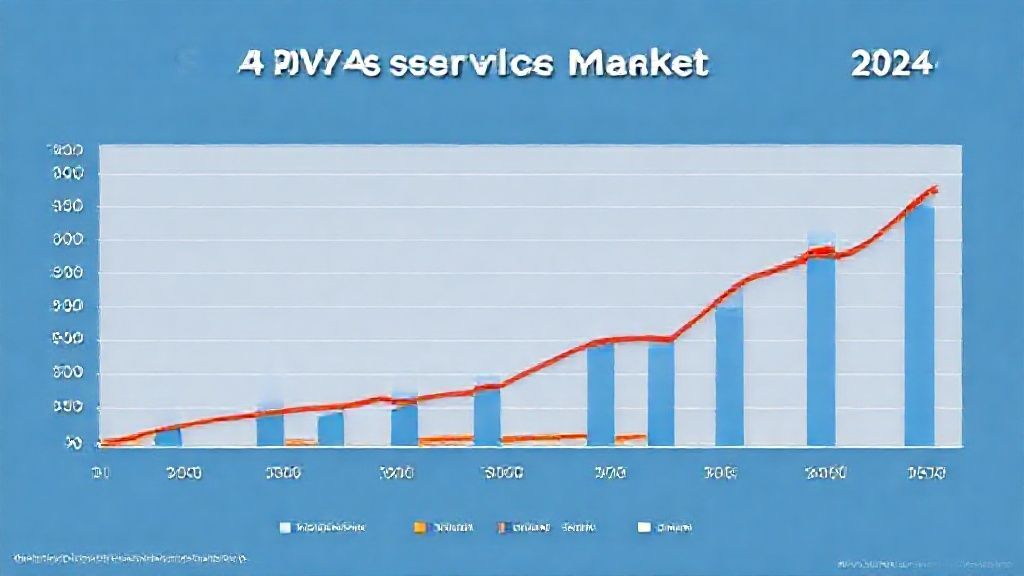
The HVAC industry is on a steady upward trajectory. Global market analysis consistently points to robust growth, driven by a combination of factors we’ll discuss. What does this mean for your local business? It means the pie is getting bigger, but so is the competition for slices.
Residential vs. Commercial Segments
Historically, residential HVAC has been a cornerstone for many local contractors, driven by new home construction, replacements, and routine maintenance. The commercial segment, encompassing everything from small businesses to large industrial complexes, often offers larger contracts but can also be more complex and require specialized expertise. Both are experiencing growth, with residential often seeing spikes related to housing market booms and increasing demands for home comfort and indoor air quality (IAQ).
Technological Advancements and Efficiency
The market is rapidly shifting towards more energy-efficient and smarter systems. Heat pumps, VRF (Variable Refrigerant Flow) systems, smart thermostats, and integrated home automation are no longer niche products; they’re becoming mainstream expectations. Contractors who are not adapting to these technologies are quickly losing ground. The drive for sustainability, coupled with rising energy costs, means homeowners and businesses are actively seeking solutions that reduce their carbon footprint and save them money.
Impact of Climate Change
Increasingly extreme weather patterns, from scorching summers to colder winters, directly fuel demand for reliable heating and cooling systems. This translates to more installations, repairs, and preventative maintenance contracts, especially in regions experiencing significant temperature fluctuations.
Consolidation and Fragmentation
While the industry remains largely fragmented with numerous small to medium-sized businesses, there’s an ongoing trend of consolidation. Larger regional and national players are acquiring smaller companies, seeking to expand their reach and market share. This intensifies competition, making it even more crucial for independent contractors to differentiate themselves and solidify their local presence.
Key Factors Driving HVAC Market Growth and Competition
Understanding what fuels the HVAC market is crucial for anticipating opportunities and threats. These are the engines driving both growth and the fierce competition you face:
1. Regulatory and Environmental Mandates
Government regulations, such as SEER (Seasonal Energy Efficiency Ratio) minimums, refrigerant phase-outs (like the ongoing transition away from HFCs), and building codes mandating higher efficiency, constantly reshape the market. These aren’t obstacles; they’re catalysts for upgrade cycles and innovation. Businesses that stay ahead of these changes, offering compliant and cutting-edge solutions, gain a significant competitive edge.
2. Escalating Consumer Demands
Today’s consumers expect more than just heating and cooling. They want:
- Energy Efficiency: Lower utility bills are a primary driver for system upgrades.
- Indoor Air Quality (IAQ): Concerns over allergies, pathogens, and overall health have put IAQ solutions (purifiers, humidifiers, ventilation systems) high on the priority list.
- Smart Home Integration: Seamless control of HVAC systems via smart devices is becoming standard, offering convenience and energy management.
- Sustainability: A growing segment of the market is actively seeking environmentally friendly options, like heat pumps.
3. Economic Influences
The health of the housing market (new construction and existing home sales), interest rates, and consumer disposable income directly impact HVAC sales. A robust economy generally means more investment in home improvements and new builds, driving demand for HVAC systems and services. Conversely, economic downturns can lead to delayed replacements and a focus on essential repairs.
4. Technological Innovations
The pace of technological change is rapid. Variable-speed compressors, zoned systems, advanced sensors, predictive maintenance capabilities, and AI-driven diagnostics are transforming the industry. Contractors who invest in training their technicians and offering these advanced solutions can command premium services and differentiate themselves from competitors stuck in the past. Having access to the latest equipment from a reliable hvac wholesale distributor is essential for staying competitive here.
5. Demographic Shifts
Aging populations may require more comfort solutions. Urbanization can lead to denser housing and commercial spaces, each with unique HVAC requirements. Understanding these demographic shifts in your service area can help you tailor your services and marketing efforts.
Strategies to Increase Your HVAC Market Share
Gaining market share isn’t about luck; it’s about strategic, deliberate action. Here’s how you can expand your footprint:
Service Excellence and Customer Retention
Your reputation is your most valuable asset. Exceptional customer service, prompt response times, transparent pricing, and quality workmanship are non-negotiable. Happy customers become repeat customers and, more importantly, powerful advocates through word-of-mouth referrals. Implement robust CRM systems, follow up after service, and actively solicit feedback. Strong hvac wholesale direct reviews are a testament to reliability, and your company should aim for similar customer feedback.
Diversification of Services
Don’t just sell furnaces and AC units. Expand your offerings to include:
- Indoor Air Quality (IAQ) Solutions: Air purifiers, humidifiers, dehumidifiers, UV lights, ventilation systems.
- Duct Cleaning and Sealing: Essential for efficiency and IAQ.
- Smart Home Integration: Offer to install and integrate smart thermostats and other connected devices.
- Preventative Maintenance Agreements (PMAs): These provide recurring revenue, extend equipment life, and build customer loyalty.
- Commercial Services: If you’re primarily residential, consider a strategic move into light commercial work.
Niche Market Specialization
Instead of trying to be everything to everyone, consider specializing. Perhaps you become the go-to expert for:
- High-efficiency geothermal systems.
- Historical home HVAC renovations.
- Commercial refrigeration.
- Specific types of boiler systems.
Specialization allows you to charge premium rates, reduces competition, and positions you as an undeniable authority in your chosen niche.
Operational Efficiency and Cost Management
Increasing market share doesn’t mean sacrificing profitability. Streamline your operations, optimize scheduling, and manage your inventory effectively. Negotiate favorable terms with suppliers. For instance, always be on the lookout for an hvac wholesale direct coupon or even an hvac wholesale direct coupon code to reduce your material costs. Efficient operations allow you to offer competitive pricing without cutting into your margins, making you more attractive to cost-conscious customers.
Strategic Partnerships and Acquisitions
Forge relationships with local home builders, real estate agents, property management companies, and even complementary service providers (e.g., plumbers, electricians). These partnerships can be a consistent source of referrals. For larger businesses, strategic acquisitions of smaller, reputable local companies can rapidly expand your service area and customer base, directly boosting your market share.
Leveraging Effective Marketing for HVAC Market Penetration
You can have the best service in the world, but if no one knows about it, you won’t gain market share. Marketing isn’t an afterthought; it’s a core component of your growth strategy. If you’re looking for practical marketing ideas hvac businesses can implement today, you need a plan.
Strong Online Presence and SEO
Most customers start their search online. Your website needs to be professional, mobile-friendly, and optimized for local search engine optimization (SEO). This means:
- Google My Business: Optimize your listing with accurate information, photos, and customer reviews. This is crucial for local searches.
- Keyword Optimization: Ensure your website content uses relevant keywords people search for, like “HVAC repair [your city],” “AC installation [your neighborhood],” etc.
- Content Marketing: Create valuable blog posts, FAQs, and guides that answer common customer questions and establish your authority.
- Paid Advertising (PPC): Google Ads can provide immediate visibility for high-intent searches, allowing you to target customers actively looking for your services.
Reputation Management
Online reviews are the new word-of-mouth. Actively encourage satisfied customers to leave reviews on Google, Yelp, and other platforms. Respond to all reviews, positive and negative, professionally and promptly. A strong 4-5 star rating can be a massive differentiator.
Targeted Advertising and Community Engagement
Beyond online efforts, consider:
- Local Sponsorships: Sponsor local sports teams, community events, or charities. This builds brand awareness and goodwill.
- Direct Mail: Targeted direct mail campaigns can still be effective, especially for reaching specific demographics or neighborhoods.
- Social Media: Use platforms like Facebook and Instagram to share tips, promote offers, and engage with your local community.
Referral Programs
Incentivize existing customers and partners to refer new business. Offer discounts, gift cards, or other rewards for successful referrals. This leverages your existing network and builds trust.
Developing a robust marketing plan for hvac company success is non-negotiable. Without it, your efforts will be scattered and ineffective. A clear plan defines your target audience, message, channels, and budget, ensuring every dollar spent contributes to growing your market share.
The Future of the HVAC Market: Predictions and Opportunities
The HVAC industry is in a constant state of evolution. Looking ahead, several key trends will define success and open new avenues for growth:
Sustainability and Green Technology
The push for sustainable solutions will only intensify. This means greater adoption of heat pumps, geothermal systems, solar-integrated HVAC, and advanced refrigerants with lower global warming potential. Contractors who position themselves as experts in these green technologies will capture a growing segment of the market.
AI, Machine Learning, and Predictive Maintenance
Smart HVAC systems will increasingly leverage AI and machine learning for predictive maintenance, optimizing performance, and identifying potential issues before they become major problems. This will transform service models from reactive repairs to proactive system management, offering opportunities for new service contracts and enhanced customer value.
Integrated Smart Building Solutions
HVAC will become an even more integral part of overall smart building and smart home ecosystems. This means deeper integration with lighting, security, and energy management systems. Contractors who can offer holistic, integrated solutions will appeal to a broader and more sophisticated client base.
Focus on Indoor Environmental Quality (IEQ)
Beyond basic IAQ, the broader concept of Indoor Environmental Quality (IEQ), which includes thermal comfort, acoustics, lighting, and air quality, will gain prominence. This presents opportunities to offer comprehensive environmental solutions, moving beyond just temperature control.
Workforce Development and Training
The advanced technologies require a highly skilled workforce. Investing in continuous training for your technicians will be paramount. Companies that develop strong apprenticeship programs and foster a culture of continuous learning will be better positioned to handle the complexity of future systems and maintain high service standards.
To capitalize on these future trends, you need to stay informed and agile. Finding a reliable source for equipment means looking into hvac wholesale companies. Don’t just pick the first one; check for things like an hvac wholesale direct coupon or even an hvac wholesale direct coupon code to manage your overhead. And always look at hvac wholesale direct reviews to gauge supplier reliability and ensure you’re getting the support you need for future technologies. The businesses that adapt, innovate, and continuously invest in their people and processes will be the ones that dominate the future HVAC market share.
Final Thoughts
Gaining market share in the HVAC industry isn’t a passive activity. It demands a clear understanding of your business, your competition, and the evolving landscape of the market. It requires strategic planning, continuous innovation, a relentless focus on customer satisfaction, and an unwavering commitment to effective marketing.
Don’t just chase every new trend; analyze which ones make sense for your business and your target market. Invest in your people, streamline your operations, and never compromise on quality. The businesses that treat market share as a living, breathing metric, constantly striving to improve it through deliberate action, are the ones that will build sustainable, profitable legacies in the HVAC industry. Get to work.
FAQ
Q1: How do I calculate my HVAC market share?
To calculate your HVAC market share, you need two pieces of data: your company’s total annual revenue within a specific service area and the total annual revenue of the entire HVAC market in that same service area. Divide your company’s revenue by the total market revenue, then multiply by 100 to get a percentage. Gathering the total market revenue can be challenging but can be estimated using industry reports, local economic data, and competitor analysis.
Q2: Why is understanding HVAC market share important for my business?
Understanding your HVAC market share provides crucial insights into your competitive standing, growth trajectory, and overall business health. It helps you identify opportunities for expansion, assess the effectiveness of your marketing strategies, justify resource allocation, and measure your performance against competitors. It’s a key metric for strategic decision-making.
Q3: What are the biggest drivers of HVAC market growth currently?
Key drivers include increasing demand for energy-efficient systems due to rising energy costs and environmental concerns, stricter regulatory mandates (e.g., SEER ratings, refrigerant phase-outs), growing consumer interest in indoor air quality and smart home integration, and the impact of climate change leading to greater reliance on HVAC for comfort.
Q4: How can a small HVAC business compete with larger companies for market share?
Small businesses can compete by focusing on niche specialization (e.g., geothermal, historical homes), delivering hyper-local, personalized customer service that larger companies struggle to replicate, building strong community ties, excelling in online reputation management, and leveraging digital marketing (especially local SEO) to target specific geographic areas effectively. Operational efficiency and strong customer loyalty programs are also critical.
Q5: What role does technology play in gaining HVAC market share?
Technology is a game-changer. Adopting smart HVAC systems, offering advanced IAQ solutions, utilizing modern diagnostic tools, and implementing efficient CRM and scheduling software can differentiate your business. Furthermore, a strong digital marketing presence, including a mobile-friendly website and robust local SEO, is essential for reaching today’s tech-savvy customers and growing your online market share.