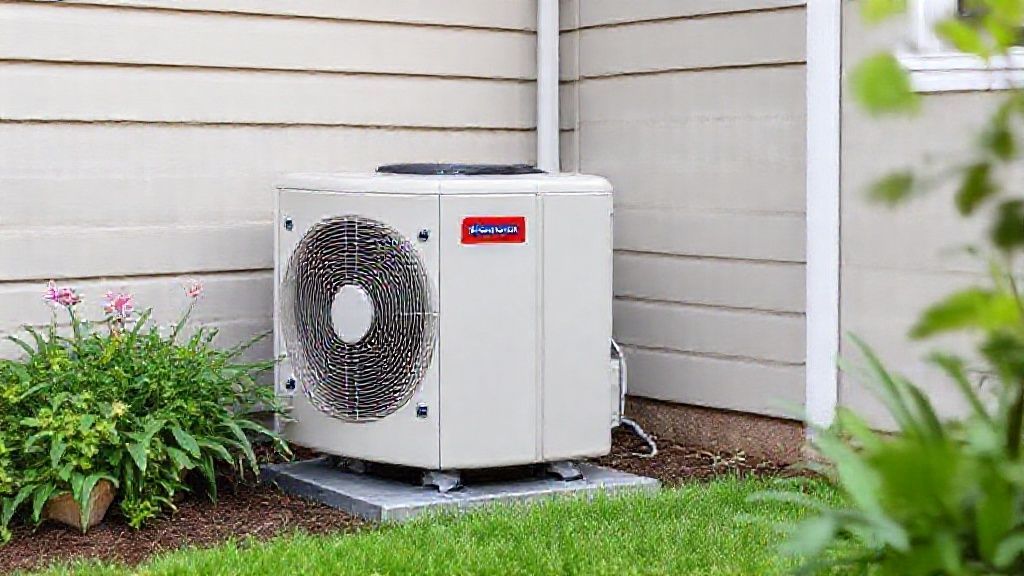
As an HVAC contractor or business owner, you understand the constant evolution of our industry. Staying informed on refrigerant changes and equipment standards isn’t just good practice; it’s essential for your business’s long-term success and your clients’ satisfaction. Today, we are focusing on R410A condenser units, a central component in modern air conditioning and heat pump systems for many years. Despite newer refrigerants entering the market, R410A systems still represent a significant portion of installed equipment, and knowing the ins and outs remains critical for service, replacement, and new installations.
Key Highlights
- R410A condenser units have been the standard for modern residential and light commercial HVAC systems for over a decade.
- Understanding R410A’s properties is crucial for proper installation, service, and charging procedures, differing significantly from R22.
- While a phase-down is underway, R410A systems will require support, maintenance, and replacement for many years to come.
- Compatibility with existing indoor coils and line sets is a critical consideration when replacing R410A condensers.
- AC Direct VIP offers a wide selection of R410A condenser units and provides direct insights to help you make informed purchasing decisions for your business.
Understanding the R410A Refrigerant and Condenser Unit
For years, R410A has been the workhorse refrigerant for residential and light commercial air conditioning units. It’s a hydrofluorocarbon (HFC) blend, specifically a mixture of difluoromethane (R32) and pentafluoroethane (R125), that operates at significantly higher pressures than its predecessor, R22. This higher operating pressure, coupled with improved heat transfer characteristics, allows for more compact and efficient compressor designs, which translates to better overall system performance and energy efficiency for your customers.
The condenser unit, as you know, is the outdoor component of a split system, or an integral part of a packaged unit. Its job is to release the heat absorbed from the indoor air into the outdoor environment. Inside the condenser, the hot, high-pressure R410A refrigerant gas from the compressor flows through a coil, where it cools down and condenses back into a high-pressure liquid, releasing its heat to the ambient air drawn in by the condenser fan. This process is fundamental to how any air conditioning or heat pump system operates, and the R410A condenser unit is optimized specifically for the unique thermodynamic properties of this refrigerant.
Why R410A Became the Industry Standard and What’s Next
The transition to R410A wasn’t just a whim; it was a global mandate driven by environmental concerns. Older refrigerants, primarily R22 (a hydrochlorofluorocarbon or HCFC), contained chlorine, which was found to deplete the Earth’s ozone layer. The Montreal Protocol, an international treaty, led to the phased elimination of ozone-depleting substances. This meant the HVAC industry had to find an alternative. R410A, with its zero Ozone Depletion Potential (ODP), became the primary solution. The phase-out of R22 manufacturing began in earnest in 2010, with a complete ban on its production and import in 2020. This propelled R410A to its status as the industry standard for new equipment for over a decade.
However, the story doesn’t end there. While R410A doesn’t deplete the ozone layer, it is still a potent greenhouse gas, contributing to global warming if released into the atmosphere. The Kigali Amendment to the Montreal Protocol, along with domestic regulations like the AIM Act in the United States, is now targeting a phasedown of HFCs, including R410A. This means that while R410A systems are still prevalent and supported, the industry is already looking towards, and in many cases implementing, newer, lower Global Warming Potential (GWP) refrigerants. As contractors, you’re at the forefront of this change, needing to understand both the legacy R410A systems and the emerging alternatives.
Key Benefits of R410A Condenser Units
R410A condenser units offered significant advantages over their R22 predecessors, which directly translated into benefits for end-users and installation efficiencies for your crews. One of the primary benefits is increased efficiency. Because R410A can absorb and release heat more effectively, systems designed for it generally achieve higher SEER (Seasonal Energy Efficiency Ratio) and EER (Energy Efficiency Ratio) ratings. This means lower operating costs for your clients, a crucial selling point in today’s energy-conscious market.
The higher operating pressures of R410A also allow for more robust compressor designs, often leading to greater reliability and a longer operational lifespan for the equipment, assuming proper installation and maintenance. Furthermore, R410A systems operate with mineral oil substitutes like POE (polyol ester) oil, which is fully miscible with the refrigerant. This lubricates the compressor more efficiently and allows for better oil return through the system, reducing wear and tear on moving parts. When you consider these units as part of complete air conditioning systems, the overall performance improvements are substantial.
Compatibility Matching R410A Condensers with Your System
One of the most frequent challenges HVAC contractors face when working with R410A equipment is ensuring proper compatibility, particularly during replacements or upgrades. It’s a common misconception that you can simply swap an R22 condenser for an R410A unit and expect it to work efficiently, or even safely. This is simply not the case. The higher operating pressures of R410A demand different component specifications. Using an R410A condenser with an older R22 indoor coil or line set designed for lower pressures can lead to system failure, refrigerant leaks, or even dangerous overpressure situations. The internal components of an R22 coil are not rated for R410A pressures, and the lubricants are incompatible, leading to potential compressor failure.
When replacing an R410A condenser, it is best practice to replace the indoor coil as well. This ensures all components are designed to work together, optimized for R410A, and provides maximum efficiency and reliability. While line sets can sometimes be reused after a thorough flushing, it’s generally recommended to replace them, especially if they are old or if there’s any doubt about their integrity or cleanliness. This eliminates any risk of contamination or residual R22 oil, which can react poorly with R410A’s POE oil.
Considerations for Packaged Systems
When discussing R410A, it’s important to remember that not all systems are split units. Packaged HVAC systems, which house all components (condenser, evaporator, compressor, and air handler) in a single outdoor cabinet, also utilize R410A. These units are an excellent solution for specific applications, such as multi-floor homes, properties with slab foundations, or situations where attic or crawlspace access for ductwork is limited. Because everything is self-contained, they often offer reduced outdoor noise compared to split configurations, as the primary noise-producing components are enclosed within a single unit.
Packaged units provide whole-home coverage and can be compatible with zoning dampers, although achieving optimal zoning performance may sometimes require additional components for precise airflow management. Retrofits can be more challenging, particularly if dealing with older ductwork that isn’t sized for modern, more powerful packaged units. Furthermore, the efficiency of any packaged R410A system, like all forced-air units, heavily depends on proper insulation and well-sealed ductwork. Neglecting these aspects means even the most efficient R410A packaged unit will struggle to perform optimally, directly impacting your client’s energy bills and comfort.
Maintenance Tips for Your R410A Condenser
Maintaining R410A condenser units isn’t drastically different from other refrigerants in terms of general upkeep, but there are specific considerations due to its properties. Regular coil cleaning is paramount. Dirty condenser coils restrict airflow and hinder heat transfer, forcing the compressor to work harder, increasing energy consumption, and raising head pressures. As professionals, you know to clean coils thoroughly, ensuring all debris and grime are removed from the fins. Check the condenser fan motor and blades for wear, proper lubrication, and balance; a failing fan can lead to severe compressor issues.
Electrical connections should be inspected for tightness and signs of overheating. Capacitors are common failure points and should be tested for proper microfarad ratings. When checking refrigerant levels, remember that R410A must always be charged as a liquid, not a vapor, due to its blended nature, to maintain the correct refrigerant composition. Always use accurate gauges and weigh in charges. Educate your technicians on the importance of not “topping off” R410A systems without first finding and repairing any leaks. We know you understand the importance of comprehensive service; it’s what differentiates quality contractors.
The Future of Refrigerants What Comes After R410A?
As mentioned, the industry is already moving beyond R410A. The phasedown of HFCs is a reality, and the next generation of refrigerants is primarily composed of A2L refrigerants. These are mildly flammable but significantly lower in GWP than R410A. Common examples you’ll encounter soon, or already are, include R32 and R454B. For contractors, this transition brings new challenges and opportunities.
Servicing and installing systems with A2L refrigerants will require updated training, specialized tools, and a strict adherence to new safety protocols. Manufacturers are redesigning equipment to safely incorporate these refrigerants, but understanding the specific handling requirements will be critical for your teams. Investing in the necessary training and tools now will position your business at the forefront of this change, allowing you to confidently offer the latest, most environmentally responsible hvac systems to your clients as R410A units eventually become less common for new installations.
Choosing the Right R410A Condenser for Your Needs
Selecting the appropriate R410A condenser unit involves more than just matching tonnage. You need to consider the SEER or SEER2 rating to meet or exceed current efficiency standards and client expectations. Higher efficiency units, while potentially a larger upfront investment, offer significant long-term energy savings. Variable-speed or two-stage compressors can provide superior comfort and dehumidification compared to single-stage units, giving your clients more control over their indoor environment. When you’re looking for wholesale HVAC equipment, you’re not just buying a box; you’re investing in your business’s reputation and your clients’ comfort.
Consider the specific application. Is it a straight replacement for an existing R410A unit? Are there budget constraints? Are there specific dimensions or noise restrictions to account for? Brand reputation and warranty support are also critical factors. Working with reliable manufacturers ensures you’re installing quality equipment that will perform as expected. For replacement AC units, having a range of options allows you to provide solutions tailored to each client’s unique situation, rather than a one-size-fits-all approach.
Why Buy Your R410A Condenser from AC Direct VIP?
At AC Direct VIP, we understand the pressures you face as an HVAC contractor. You need reliable equipment, competitive pricing, and a streamlined purchasing process so you can focus on what you do best: serving your clients. That’s why we specialize in providing direct access to quality R410A condenser units and other HVAC parts and components, designed specifically for trade professionals like you. We cut out the unnecessary layers, allowing you to source the equipment you need efficiently and affordably.
We believe in straightforward business. No complicated tiered pricing structures or hoops to jump through. Just a clear, transparent process to get you the wholesale ac products that meet your project specifications. Our selection of R410A condensers comes from trusted manufacturers, ensuring you receive robust, efficient units ready for installation. When you partner with AC Direct VIP, you’re not just buying equipment; you’re gaining a reliable supplier committed to supporting your business’s growth and profitability.
What is the Primary Difference Between R410A and Older Refrigerants?
The primary difference between R410A and older refrigerants like R22 lies in their chemical composition and operating pressures. R410A is a hydrofluorocarbon (HFC) blend with zero Ozone Depletion Potential (ODP), making it more environmentally friendly in terms of ozone protection. It operates at significantly higher pressures than R22, which allows for more efficient heat transfer and enables the design of more compact, energy-efficient compressors. Additionally, R410A uses synthetic POE oil, which is incompatible with the mineral oil used in R22 systems.
Can an R410A Condenser Be Used with an R22 Indoor Coil?
No, an R410A condenser cannot be safely or efficiently used with an R22 indoor coil. The higher operating pressures of R410A will exceed the pressure ratings of older R22 coils, potentially leading to leaks, coil rupture, or other system failures. Furthermore, the oils are incompatible; the POE oil from an R410A system would react negatively with residual mineral oil from an R22 system, leading to compressor damage and system contamination. Best practice dictates replacing both the condenser and the indoor coil together when upgrading from R22 to R410A.
How Does R410A Affect System Efficiency?
R410A generally allows for greater system efficiency compared to its predecessors. Its thermodynamic properties enable it to absorb and release heat more effectively. This means that systems designed for R410A can achieve higher SEER and EER ratings, translating into lower energy consumption and reduced utility costs for the end-user. The higher pressures also contribute to more robust compressor designs, which can contribute to overall system longevity and consistent performance over time.
What Should Contractors Know About Transitioning from R410A?
Contractors should understand that while R410A systems are still prevalent, the industry is actively phasing down its use due to its high Global Warming Potential. The next generation of refrigerants, primarily A2Ls like R32 and R454B, are mildly flammable and require specialized training, tools, and safety protocols for proper handling, installation, and service. Staying informed about these changes, investing in technician training, and sourcing compatible equipment will be crucial for maintaining compliance and continuing to offer cutting-edge solutions to clients.
Final Thoughts
R410A condenser units have served our industry well, driving efficiency improvements and environmental progress in terms of ozone protection. As HVAC professionals, your expertise in understanding, installing, and maintaining these systems remains invaluable. While the industry continues its evolution toward lower GWP refrigerants, the installed base of R410A equipment will require your skilled service and replacement solutions for many years. Staying updated on regulations, compatibility requirements, and best practices ensures you continue to provide top-tier service.
At AC Direct VIP, we are committed to being your direct source for the equipment you need, including reliable R410A condenser units. We understand that your business thrives on efficiency and trust, and we aim to provide both through our straightforward approach to wholesale HVAC supply.