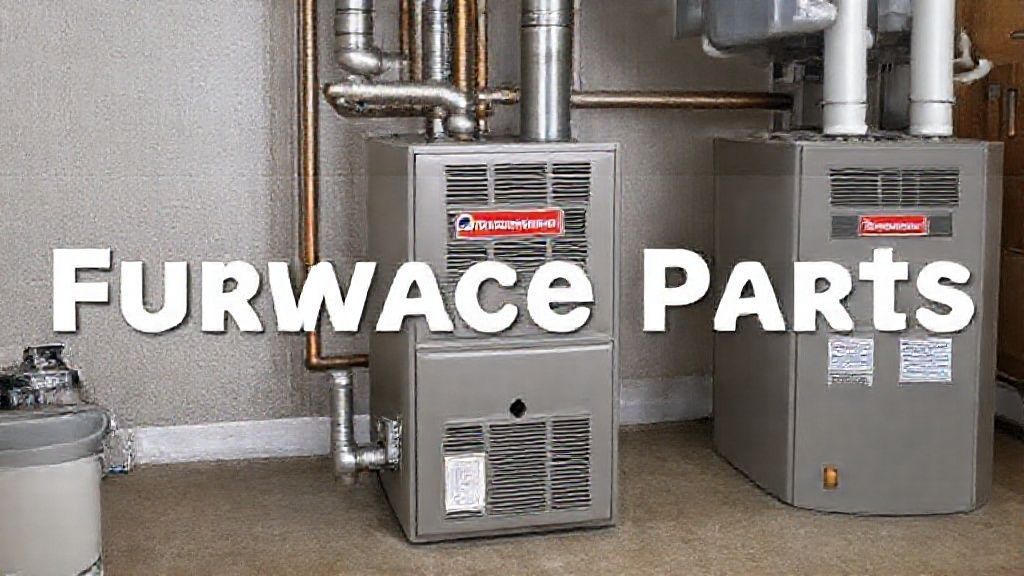
When it comes to maintaining a reputation for reliability and efficiency in the HVAC business, the quality of the components you use is non-negotiable. For many contractors, Goodman furnaces are a staple in their service areas, known for their robust performance and widespread adoption. However, even the most dependable systems require attention and, eventually, replacement parts. Understanding the critical role of genuine Goodman furnace parts isn’t just about making a repair; it’s about upholding your commitment to quality, extending system longevity, and minimizing costly callbacks.
Key Highlights
- Using genuine Goodman furnace parts is crucial for system reliability, warranty compliance, and optimal performance.
- Accurate identification of replacement parts using model and serial numbers prevents errors and minimizes downtime.
- Reputable online distributors like AC Direct VIP offer convenient access to authentic components.
- Proactive maintenance and efficient troubleshooting by your technicians significantly reduce furnace issues and improve customer satisfaction.
- Quality replacement parts are an investment in your business’s reputation and your clients’ long-term comfort and efficiency.
Why Genuine Goodman Furnace Parts Matter for Your HVAC System
As a contractor, you know that the long-term performance of any air conditioning units or heating system hinges on the quality of its components. This is especially true for Goodman furnaces. While aftermarket parts might seem like a cost-saving measure on the surface, they often lead to compromised performance, decreased efficiency, and an increased likelihood of premature failure. Genuine Goodman parts are engineered to exact specifications, ensuring perfect fit, seamless integration, and adherence to the system’s original design parameters. This precision is vital for maintaining the furnace’s operational integrity, safety standards, and overall lifespan.
Beyond the technical compatibility, using genuine parts often protects the manufacturer’s warranty. Many warranties become void if non-OEM parts are installed, leaving both you and your client exposed to unnecessary financial risk should further issues arise. Investing in authentic Goodman furnace parts is an investment in your clients’ peace of mind and your company’s reputation. It reduces the chances of repeat service calls due to part incompatibility or premature failure, freeing up your technicians for new installations or more complex repairs. This approach ensures consistent performance, helps maintain peak energy efficiency, and ultimately contributes to higher customer satisfaction, leading to better reviews and more referrals.
Common Goodman Furnace Parts and Their Functions
To effectively service and repair Goodman furnaces, your technicians must have a solid grasp of the core components and their roles. Understanding these parts allows for quicker, more accurate diagnostics and repairs. Here are some of the most frequently replaced Goodman furnace parts:
- Igniters: These are critical for starting the combustion process. Typically made of silicon nitride or carbide, igniters heat up to ignite the gas flowing into the burner. A faulty igniter often results in a furnace that cycles but fails to produce heat.
- Flame Sensors: A safety device, the flame sensor verifies that a flame is present after ignition. If it doesn’t detect a flame, it signals the control board to shut off the gas valve, preventing raw gas from accumulating. A dirty or failing flame sensor is a common cause of short cycling.
- Limit Switches: These safety controls monitor the furnace’s internal temperature. If the plenum or heat exchanger gets too hot, the limit switch will shut down the burner to prevent overheating, protecting the system from damage.
- Control Boards: The “brain” of the furnace, the control board manages all operational aspects, including ignition, blower motor activation, and safety shutdowns based on input from various sensors. Malfunctions here can lead to a wide range of operational issues.
- Blower Motors: Responsible for circulating heated air throughout the ductwork and into the living space, the blower motor is essential for comfort. Issues can range from complete failure to noisy operation or reduced airflow.
- Gas Valves: This component controls the flow of natural gas or propane to the burners. It opens to allow gas in during the ignition sequence and closes to shut it off, often regulated by the control board. A failing gas valve can prevent heating entirely or cause gas leaks if not properly sealed.
- Pressure Switches: Another safety device, the pressure switch monitors the negative pressure created by the induced draft motor. It ensures that combustion byproducts are safely vented before the burners are allowed to fire. If it doesn’t detect proper pressure, the furnace won’t ignite.
- Induced Draft Motors: This motor pulls combustion gases from the heat exchanger and expels them through the vent pipe. It’s crucial for safe operation and ensures proper airflow for combustion. Failure often results in the furnace failing to ignite or initiating a pre-purge cycle without firing.
Each of these parts plays a vital role in the complex dance of heating operation. Knowing their individual functions and common failure modes equips your technicians with the knowledge needed for quick and effective service calls, boosting efficiency and customer trust.
Identifying the Right Part Using Your Model and Serial Number
Ordering the correct replacement part is fundamental to a successful repair. Misidentifying a part can lead to delays, additional shipping costs, and frustrated clients. The most reliable method for precise part identification for Goodman furnaces is to use the unit’s model and serial number. This information is a unique identifier for that specific piece of equipment, allowing you to access detailed schematics and part lists.
You can typically find the model and serial number on a sticker or rating plate located on the furnace itself. Common locations include the inside of the access panel, near the burners, or on the cabinet’s exterior side. Instruct your technicians to always record this information meticulously during their initial diagnostic visit. With these numbers, you can consult Goodman’s official parts diagrams or use the search functions on reputable distributor websites, such as AC Direct VIP. This approach minimizes errors, ensures compatibility, and gets the right part into your technician’s hands faster, which means less downtime for your clients and more efficient operations for your business.
Where to Buy Authentic Goodman Furnace Parts Online
For HVAC business owners and contractors, sourcing authentic Goodman furnace parts efficiently and reliably is a critical operational task. While local suppliers can be convenient for emergency needs, online distributors offer a broader selection, competitive pricing for businesses, and the convenience of ordering from anywhere. When choosing an online supplier, focus on those that specialize in genuine OEM parts, offer robust search functionality based on model and serial numbers, and provide excellent customer service.
AC Direct VIP stands out as a reliable source for hvac systems components, including a comprehensive range of Goodman furnace parts. We understand the specific needs of contractors, offering genuine parts that meet manufacturer specifications. Our platform is designed to make it easy to find what you need quickly, minimizing the time your technicians spend off-site and ensuring your clients receive quality repairs. Working with trusted online partners for wholesale ac and furnace parts ensures you always have access to the components necessary to maintain your reputation for quality service.
Efficient Part Replacement Optimizing Your Team’s Approach
For your professional technicians, every part replacement is an opportunity to demonstrate expertise and reinforce client trust. The “how” of replacing a part is just as important as the “what.” Optimizing your team’s approach to part replacement ensures efficiency, safety, and long-term reliability of the repair. This isn’t about cutting corners; it’s about systematic execution and leveraging best practices learned from years of field experience.
First, always emphasize safety. This means proper lockout/tagout procedures, verifying electrical disconnections, and ensuring gas lines are shut off and purged before any work begins. Second, encourage methodical diagnostics. A part might seem faulty, but confirming its failure through testing (e.g., continuity checks on igniters, voltage readings for motors, pressure tests for switches) prevents unnecessary replacements. Third, train your team on manufacturer-specific installation instructions. Even experienced technicians can overlook subtle nuances that affect performance or warranty. Goodman often has specific torque requirements for fasteners or calibration steps for certain components.
Finally, promote a “leave it better than you found it” mentality. This includes cleaning surrounding components, checking for related issues (like corroded wiring or restricted airflow), and performing a full operational test once the new part is installed. Documenting the repair, including the part numbers used and the steps taken, provides a valuable record for future service and demonstrates professionalism. By focusing on these principles, your team not only replaces a part but also delivers a thorough, quality service that reflects positively on your business.
Maintaining Your Goodman Furnace for Optimal Performance
Reactive repairs are a part of any HVAC business, but proactive maintenance is where you truly shine and build lasting client relationships. For Goodman furnaces, regular maintenance by your technicians can significantly extend the life of parts, prevent unexpected breakdowns, and ensure the system operates at its peak efficiency. This isn’t just about cleaning; it’s a comprehensive check-up that addresses the system as a whole.
Key maintenance tasks should include inspecting the heat exchanger for cracks or corrosion, cleaning and inspecting the burners, checking the flame sensor and igniter for wear or carbon buildup, and verifying proper gas pressure. The induced draft motor and blower motor should be inspected for proper operation, lubricated if necessary, and their connections checked. Electrical components, including wiring and control board connections, should be examined for signs of wear, overheating, or loose terminals. Additionally, technicians should confirm that the flue pipe is clear and free of obstructions, ensuring safe and efficient venting of combustion gases.
Proper airflow is also paramount. While we don’t deal with air filters directly, your technicians must ensure the furnace’s internal components, such as the blower wheel, are clean and unrestricted. By offering comprehensive preventative maintenance plans, you not only generate recurring revenue but also empower your clients to avoid costly emergency repairs, solidify your position as a trusted advisor, and upgrade the longevity of their Goodman furnaces.
Troubleshooting Common Goodman Furnace Part-Related Issues
When a Goodman furnace malfunctions, efficient troubleshooting by your technicians is key to a swift and accurate diagnosis. Many common furnace problems can be traced back to specific part failures. Understanding the typical symptoms associated with these failures will streamline your diagnostic process and improve call resolution times.
If a furnace isn’t igniting, technicians should first check the igniter for continuity and visual damage. A weak or failed igniter is a primary suspect. Simultaneously, the flame sensor should be inspected for cleanliness and proper placement; a dirty sensor often prevents the furnace from staying lit. If the furnace cycles on and off rapidly (short cycling), a clogged condensate drain, a faulty pressure switch, or an overheating issue due to a failing limit switch could be at play. Noisy operation could indicate a failing blower motor bearing or an issue with the induced draft motor. If the blower runs continuously, even without a call for heat, it might point to a stuck relay on the control board or a thermostat wiring issue.
Encourage your team to utilize the furnace’s diagnostic codes, often displayed on the control board. These codes are invaluable for quickly narrowing down the problem area. A systematic approach – starting with obvious checks, then moving to electrical tests, and finally component-specific diagnostics – ensures thoroughness and minimizes guesswork. Equipping your technicians with this troubleshooting knowledge not only boosts their confidence but significantly improves your company’s efficiency and customer service ratings.
Ensuring Home Comfort and Efficiency with Quality Replacements
Ultimately, the goal of any furnace repair or maintenance is to ensure consistent home comfort and optimal energy efficiency for your clients. Using quality Goodman furnace parts is directly tied to achieving these outcomes. When you install genuine components, you’re not just fixing a broken unit; you’re restoring its designed performance capabilities. This translates directly to a furnace that operates more reliably, heats the home more evenly, and consumes less energy.
Consider the long-term impact on your business. A furnace repaired with substandard or generic parts might fail again sooner, leading to frustrating callbacks, damaged client relationships, and wasted technician time. Conversely, a repair performed with authentic, high-quality Goodman parts is an investment in the system’s longevity. This reduces future service needs, strengthens client trust, and allows you to confidently stand behind your work. By consistently prioritizing quality replacements, you differentiate your business in a competitive market, ensuring your clients enjoy the comfort and efficiency they expect, and enhancing your reputation as a trusted HVAC provider.
What Are OEM Goodman Furnace Parts?
OEM stands for Original Equipment Manufacturer. OEM Goodman furnace parts are components made by Goodman or a supplier specifically contracted by Goodman, designed to exact specifications for their furnace models. These parts offer guaranteed compatibility, maintain the system’s intended efficiency, and often come with a manufacturer’s warranty, which is crucial for overall system reliability and performance.
How Do I Find the Correct Part Number for a Goodman Furnace?
The most accurate way to find the correct part number is by locating the furnace’s model and serial number, typically found on a rating plate inside the furnace’s access panel or on the exterior cabinet. With these numbers, you can consult Goodman’s official parts diagrams or use the lookup tools provided by reputable online distributors like AC Direct VIP. Always double-check compatibility before ordering to avoid errors.
Can Using Non-Genuine Parts Void a Goodman Furnace Warranty?
Yes, in many cases, installing non-genuine or aftermarket parts can void your client’s Goodman furnace warranty. Manufacturers often specify that only OEM parts should be used for repairs to ensure proper operation and safety. It’s always best practice to use genuine Goodman parts to protect the warranty and ensure the long-term reliability of the system.
What is the Lifespan of Common Goodman Furnace Parts?
The lifespan of furnace parts varies significantly depending on usage, maintenance, and environmental factors. Components like igniters and flame sensors might last 3-7 years, while blower motors or induced draft motors could last 10-15 years or more with proper maintenance. Control boards, if not exposed to power surges, can last the lifetime of the unit. Regular professional maintenance by your technicians plays a critical role in maximizing the longevity of all furnace components.
Are There Any Safety Considerations When Replacing Furnace Parts?
Absolutely. Safety is paramount. Before replacing any furnace part, always ensure the electrical power to the furnace is disconnected (using lockout/tagout procedures), and the gas supply is shut off. Allow components like igniters or heat exchangers to cool down before handling. Always follow manufacturer-specific instructions for installation, and if dealing with gas lines, ensure proper sealing and leak testing. If unsure, always consult with a qualified professional or Goodman’s service manual.
Final Thoughts
In the competitive world of HVAC, your business thrives on reliability, efficiency, and customer satisfaction. When it comes to Goodman furnaces, the choice to use genuine replacement parts isn’t just about making a repair; it’s a strategic decision that underpins your operational integrity and long-term success. By understanding the critical role of each component, accurately identifying needed parts, and sourcing them from trusted providers like AC Direct VIP, you empower your team to deliver superior service.
Prioritizing authentic parts minimizes callbacks, reduces diagnostic time, and ensures your clients’ furnaces operate as intended, providing consistent comfort and optimal energy performance. It reinforces your reputation as a quality-focused professional who invests in the best for their clients. Partner with AC Direct VIP to ensure you always have access to the genuine Goodman furnace parts your business needs to excel, keeping furnaces running efficiently and your clients happy, season after season.