As an HVAC contractor or business owner, you understand the constant demand for efficient, adaptable climate control solutions. Homeowners and commercial clients alike are always seeking ways to improve comfort, reduce energy costs, and gain more precise control over their indoor environments. One technology that has consistently risen to meet these challenges is the mini split air conditioner. These ductless systems offer a compelling alternative or supplement to traditional HVAC, providing targeted heating and cooling with remarkable flexibility.
For your clients, the appeal of mini splits lies in their ability to deliver conditioned air without the extensive ductwork required by central air conditioning units. This makes them ideal for a wide range of applications, from new additions and renovated spaces to older homes lacking existing ductwork. Understanding the mechanics, benefits, and strategic deployment of mini split systems is not just good practice; it is essential for expanding your service offerings and staying competitive in a rapidly evolving market.
Key Highlights
- Mini splits provide highly efficient, zoned heating and cooling without the need for ductwork, expanding your service opportunities.
- They offer significant energy savings and customizable comfort, appealing to clients seeking lower operating costs and improved indoor climate control.
- Both single-zone and multi-zone configurations cater to diverse property needs, from targeted room conditioning to whole-home solutions.
- Proper sizing and professional installation are critical for optimal performance, efficiency, and system longevity, requiring your expertise.
- Regular maintenance is simple yet vital for clients to ensure their mini split systems continue to operate reliably and effectively.
What Are Mini Split Air Conditioners and How Do They Work
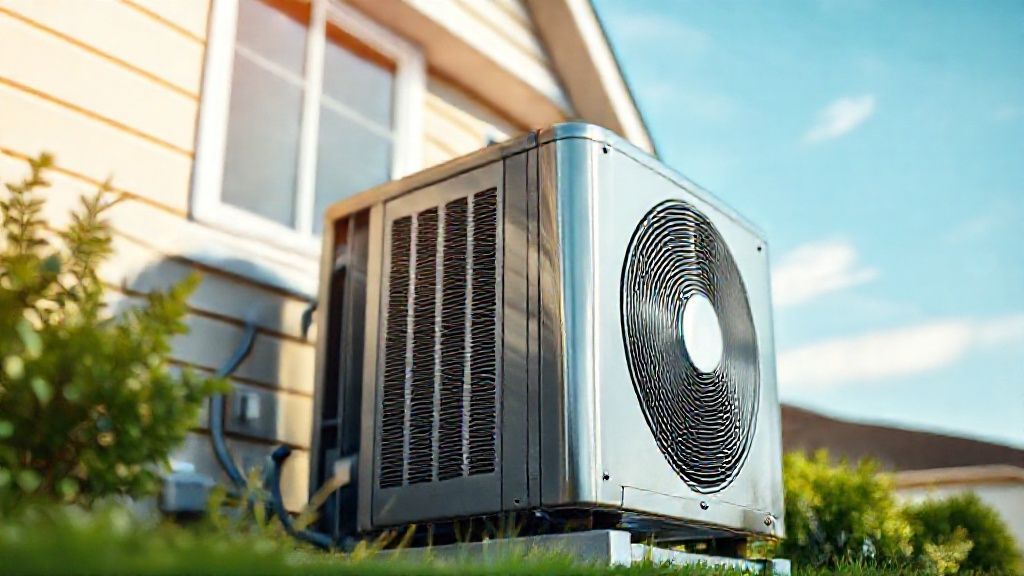
Mini split air conditioners, also known as ductless mini splits or ductless systems, represent a distinct category of HVAC technology. Unlike conventional central air systems that rely on a network of ducts to distribute conditioned air from a single outdoor unit and indoor furnace/air handler, mini splits operate on a different principle entirely. At their core, these systems consist of two primary components: an outdoor condenser/compressor unit and one or more indoor air-handling units. These components are connected by a conduit, which houses the refrigerant tubing, power cable, and condensate drain line.
The operational cycle of a mini split is similar to that of a conventional heat pump. During cooling mode, the indoor unit draws warm air from the room over an evaporator coil. The refrigerant inside this coil absorbs the heat, causing it to vaporize. This heated refrigerant then travels through the conduit to the outdoor unit, where the compressor pressurizes it. As the high-pressure, hot refrigerant passes through the outdoor condenser coil, it releases its heat to the outside air, condensing back into a liquid. The liquid refrigerant then returns to the indoor unit, and the cycle repeats, continuously removing heat from the indoor space. In heating mode, the process reverses, with the outdoor unit extracting heat from the ambient air and transferring it indoors.
A key differentiator of mini splits is their use of inverter technology in the compressor. Unlike traditional compressors that cycle on and off at full capacity, inverter-driven compressors can vary their speed and output to match the precise heating or cooling demand. This variable speed operation leads to several advantages. First, it eliminates the energy waste associated with constant on/off cycling, resulting in superior energy efficiency and lower utility bills for your clients. Second, it allows for more precise temperature control and quieter operation, as the system can maintain a set temperature more consistently without drastic fluctuations. Third, the lack of ductwork significantly reduces energy losses often associated with leaky or poorly insulated ducts, further enhancing overall system efficiency. This sophisticated design makes mini splits a powerful option for clients looking to optimize their energy consumption and achieve precise climate control.
Key Benefits of Ductless Mini Split Systems for Your Home
Ductless mini split systems offer a host of compelling advantages that you, as a contractor, can present to your clients to address their unique comfort and efficiency needs. One of the primary benefits is their exceptional energy efficiency. Because they lack ductwork, mini splits bypass the typical energy losses—which can be up to 30%—associated with conventional ducted systems. When you factor in the inverter technology that allows the compressor to operate at variable speeds, precisely matching the heating or cooling load, the energy savings for your clients can be substantial. This means lower monthly utility bills and a more sustainable HVAC solution, a significant selling point in today’s market.
Another major advantage is the ability to create zoned comfort. Each indoor unit operates independently, allowing occupants to set different temperatures in different rooms or zones. Imagine a client with an office that needs to be cooler than the master bedroom, or a guest room that only needs conditioning when occupied. Mini splits make this level of individualized comfort possible. This zoning capability prevents the energy waste of conditioning unoccupied areas and ensures that every part of the home is comfortable according to its specific needs. This level of granular control is something many clients desire but cannot achieve with single-zone central systems.
Beyond efficiency and zoning, mini splits offer flexibility in placement and installation. Their compact size and ductless nature mean they can be installed in spaces where traditional systems simply won’t fit, such as room additions, converted garages, or historic homes where preserving architectural integrity is paramount. The indoor units come in various styles—wall-mounted, floor-standing, ceiling cassette, or even slim-duct models—providing aesthetic versatility. Furthermore, the installation process is generally less intrusive than installing or extending ductwork, meaning quicker project completion times and less disruption for your clients. This adaptability opens up a wider range of projects for your business and provides solutions for challenging installations that might otherwise be overlooked.
Single-Zone vs. Multi-Zone Mini Splits Choosing the Right Setup
When discussing mini split systems with your clients, understanding the distinction between single-zone and multi-zone configurations is critical for guiding them to the optimal solution for their property. Each setup serves different needs and presents unique benefits. A single-zone mini split system is designed to provide heating and cooling to a single, specific area. It consists of one outdoor compressor unit connected to one indoor air-handling unit. This configuration is perfect for targeting individual rooms or spaces that require independent climate control. Examples include a newly constructed home office, an added sunroom, a converted attic or basement, or even a garage workshop. For clients who have a specific “problem area” that their existing central system struggles to condition, a single-zone mini split offers a highly efficient and effective remedy. Its simplicity and focused performance often make it the most cost-effective solution for these isolated applications.
On the other hand, a multi-zone mini split system allows a single outdoor compressor unit to connect to multiple indoor air-handling units, typically up to five or eight, depending on the system’s capacity. Each indoor unit operates independently, providing individual temperature control for different rooms or zones within the home or commercial space. This setup is ideal for clients looking to condition several rooms or even an entire home without the need for ductwork, or as a supplement to an existing system. For instance, a multi-zone system could be used to condition all bedrooms on an upper floor, or an entire open-concept living area along with adjacent rooms. The primary advantage here is centralized outdoor equipment with decentralized indoor control, offering comprehensive whole-home or multi-room solutions with the benefits of zoning. While the initial investment for a multi-zone system is higher than a single-zone, it often provides better overall value and flexibility for conditioning multiple areas compared to installing multiple single-zone systems.
The choice between single-zone and multi-zone depends entirely on your client’s specific requirements, the layout of their property, and their budget. You will need to assess factors such as the number of rooms needing conditioning, the total square footage, the individual heat load of each space, and the client’s desire for independent control. For smaller, isolated needs, single-zone is often the answer. For broader, more comprehensive coverage with granular room-by-room control, multi-zone systems offer a robust and efficient solution. Proper load calculation for each zone is paramount to ensure the outdoor unit’s capacity adequately supports all connected indoor units, preventing underperformance or inefficient operation. This assessment is where your expertise as an HVAC professional truly shines, ensuring the client receives a system perfectly tailored to their unique circumstances.
Ideal Applications for Mini Split AC Units Beyond Traditional Spaces
While mini split AC units are gaining popularity in standard residential settings, their true versatility shines in applications that go beyond traditional ducted systems. As an HVAC contractor, recognizing these niche applications can open up new revenue streams and position you as a problem-solver for clients with unique climate control challenges. One common application is in home additions and renovations. When a client adds a new room, converts an attic, or finishes a basement, extending existing ductwork can be prohibitively expensive, complex, or even impossible due to structural limitations. Mini splits provide a straightforward solution, offering efficient heating and cooling to these new spaces without disturbing the existing HVAC system or requiring extensive construction.
Historic homes represent another excellent opportunity. Many older properties lack existing ductwork, and installing it would compromise architectural integrity, be aesthetically unpleasing, or be cost-prohibitive. Mini splits allow these homes to enjoy modern comfort without invasive modifications. Similarly, apartments and condominiums, especially older units, may not have central hvac systems. Ductless mini splits offer residents individualized climate control, often leading to significant energy savings compared to inefficient window units or portable heaters. The quiet operation and aesthetic options of mini splits are also highly valued in these dense living environments.
Beyond residential, mini splits are increasingly being adopted in various light commercial settings. Small offices, server rooms, retail boutiques, medical examination rooms, and even restaurant kitchens can benefit from their targeted heating and cooling capabilities. In server rooms, for instance, a mini split can provide dedicated cooling to prevent overheating of sensitive equipment, operating independently of the main building HVAC. For businesses with fluctuating occupancy or specific temperature requirements in different areas, multi-zone mini splits offer the flexibility and efficiency needed to optimize comfort and energy use. Considering packaged HVAC systems for comparison, while they offer whole-home coverage and are suitable for limited attic/crawlspace access, they typically serve a broader area and are not as flexible for granular zone control or isolated additions without extensive ductwork modifications. Mini splits fill these gaps precisely, offering a focused and adaptable solution where central systems are impractical or inefficient.
Factors to Consider When Choosing Your Mini Split System
Selecting the right mini split system for a client involves a careful consideration of several critical factors. Your expertise in these areas will ensure a successful installation and a satisfied client. The most fundamental factor is proper sizing. This is not a task to be estimated; it requires a detailed load calculation for each individual zone or room that will be conditioned. Factors like square footage, ceiling height, insulation levels, window types and orientations, local climate, and internal heat gains (from occupants and electronics) all play a role. An undersized unit will run continuously, struggle to maintain temperature, and waste energy, leading to client dissatisfaction. An oversized unit will short-cycle, leading to poor dehumidification, uneven temperatures, and also inefficiency. Accurate BTU/h requirements are paramount for optimal performance and efficiency.
Efficiency ratings, specifically SEER2 (Seasonal Energy Efficiency Ratio 2) and HSPF2 (Heating Seasonal Performance Factor 2), are also crucial. Higher SEER2 and HSPF2 ratings indicate greater energy efficiency, translating to lower operating costs for your clients. While units with higher ratings may have a higher upfront cost, you can demonstrate to clients how these savings will quickly offset the initial investment over the system’s lifespan. You should also consider the system’s intended primary use: is it for cooling, heating, or both? Some mini splits are designed with a stronger emphasis on one function over the other, especially in extreme climates where specific heating performance might be more critical. The type of refrigerant used is another consideration, with R-410A being common, but newer, more environmentally friendly refrigerants like R-32 are also becoming available and may be a factor for clients concerned with environmental impact.
Finally, the aesthetics and features of the indoor units must be taken into account. Mini splits come in various styles: wall-mounted, floor-standing, ceiling cassettes, and concealed duct units. The best choice depends on the room’s layout, existing decor, and the client’s preference for discreet integration versus a visible unit. Features such as remote control functionality, Wi-Fi connectivity for smart home integration, sleep modes, programmable timers, and advanced filtration options can also influence a client’s decision. Offering a range of options and explaining the benefits of each will help you tailor a solution that not only performs exceptionally but also meets your client’s lifestyle and design preferences. As a professional, you are not just selling equipment; you are providing a customized comfort solution.
Mini Split Installation What to Expect and When to Go Pro
For HVAC contractors, mini split installation is a core service, but it is essential to communicate the process and its complexities to clients. While mini splits are often touted as simpler to install than central systems, this simplicity should not be confused with a DIY project. Professional installation is not merely recommended; it is critical for ensuring optimal performance, efficiency, and longevity of the system, and crucially, for maintaining warranty validity. A typical mini split installation involves several distinct phases, each requiring specialized tools and expertise.
The first step involves strategic placement of both the indoor and outdoor units. For the indoor unit, this means identifying a location that allows for optimal air distribution throughout the conditioned space while considering aesthetic preferences and structural integrity. For the outdoor unit, factors like proximity to the indoor unit (to minimize line set length), clearance for airflow, protection from direct sunlight or harsh weather, and accessibility for future maintenance are paramount. Improper placement can significantly degrade performance and increase energy consumption.
Once locations are determined, a small hole is drilled through the exterior wall to accommodate the line set, which consists of the refrigerant lines, electrical wiring, and condensate drain line. This line set connects the indoor and outdoor units. Proper sealing of this penetration is essential to prevent air leaks and moisture intrusion. The refrigerant lines must then be meticulously connected and evacuated using a vacuum pump to remove all air and moisture from the system. This step is non-negotiable; even trace amounts of contaminants can severely impact efficiency, damage the compressor, and shorten the system’s lifespan. Finally, electrical connections are made, following all local codes and safety regulations. This often requires a dedicated circuit for the outdoor unit, especially for multi-zone systems, and should only be performed by a licensed electrician or an HVAC technician with electrical qualifications.
Going “pro” means leveraging your team’s comprehensive understanding of HVAC principles, refrigerant handling, electrical safety, and local building codes. It means having the right tools—vacuum pumps, manifold gauges, flaring tools, leak detectors—and the experience to use them correctly. Professional installation ensures proper sizing, correct refrigerant charge, leak-free connections, and optimal system configuration, all of which directly impact the system’s efficiency and reliability. Attempting a DIY installation or hiring an unqualified individual voids warranties, often leads to performance issues, and can even create safety hazards. Your role is to emphasize this importance to clients, ensuring they understand that investing in professional installation is an investment in their comfort and the long-term health of their equipment.
Maintaining Your Mini Split for Optimal Performance and Longevity
For your clients, maintaining a mini split system is generally straightforward, but it is your responsibility as their HVAC partner to educate them on the necessary steps and to offer comprehensive maintenance plans. Regular maintenance is not just about extending the life of the unit; it is crucial for preserving its energy efficiency, ensuring consistent comfort, and preventing costly breakdowns. A well-maintained mini split will perform as intended, delivering optimal heating and cooling with minimal energy consumption.
The most frequent maintenance task that clients can perform themselves is cleaning or replacing the wholesale ac filters in the indoor units. While mini splits do not use traditional air filters in the same way central systems do, their indoor units have washable filters designed to capture dust and particles. These filters should be checked and cleaned monthly, or more frequently if the unit is used heavily or in dusty environments. Accumulated dust on these filters restricts airflow, forcing the unit to work harder, which reduces efficiency and can impact air quality. You should instruct clients on how to easily access and clean these filters, emphasizing the importance of this simple but vital task.
Beyond routine filter cleaning, professional maintenance is essential, and this is where your expertise comes into play. You should recommend annual or bi-annual service visits. During these visits, your technicians will perform a thorough inspection and cleaning of both the indoor and outdoor units. This includes cleaning the indoor coil and fan, inspecting the condensate drain pan and line to prevent clogs and potential water damage, and checking for proper refrigerant levels and pressure. Low refrigerant can indicate a leak, which needs immediate attention. On the outdoor unit, tasks include clearing debris from the condenser coil, checking electrical connections for tightness and corrosion, and lubricating any moving parts. Your technicians should also inspect the fan motor and blades, ensuring they operate quietly and efficiently.
Furthermore, professional service includes checking the thermostat or control panel for proper calibration, ensuring the system responds accurately to temperature settings. You can also assess the overall performance, identifying any unusual noises or operational issues that might indicate an underlying problem. Proactive maintenance allows for the early detection and correction of minor issues before they escalate into major, expensive repairs. By offering scheduled maintenance plans, you provide peace of mind to your clients, ensure their systems run optimally, and establish a recurring revenue stream for your business. Emphasize that while mini splits are reliable, they are still complex machinery that benefits significantly from expert care.
Comparing Mini Split Air Conditioners to Traditional HVAC Systems
When you present HVAC options to your clients, a common discussion point involves the merits of mini split air conditioners versus traditional ducted systems, be they central air conditioners, furnaces, or packaged HVAC units. Each system has its place, and understanding their comparative strengths and weaknesses is key to guiding your clients toward the best investment for their specific needs. Traditional central HVAC systems, for instance, are designed for whole-home climate control through a single network of ducts. This can be efficient for homes that were built with ductwork in mind and where uniform temperature across all rooms is acceptable. They often offer higher cooling and heating capacities suitable for larger homes or buildings. However, their reliance on ducts means potential energy losses through leaks or poor insulation, and they lack the granular zoning control inherent in mini splits.
Packaged HVAC systems, a type of traditional system, offer both heating and cooling in one self-contained outdoor unit. They are often a good choice for multi-floor homes, including those with slab foundations, especially when attic or crawlspace access is limited. They provide whole-home coverage and can be compatible with zoning dampers, although their zoning performance may be limited without added components. Reduced outdoor noise compared to split configurations is a benefit. However, retrofitting older ductwork for packaged units can be challenging, and their overall efficiency still depends heavily on properly sealed and insulated ductwork, which mini splits bypass entirely. The strength of packaged units lies in their compact, all-in-one design and their suitability for specific architectural challenges, but they don’t offer the individualized room control of mini splits.
Mini split systems, by contrast, excel in zoned comfort, allowing individual temperature control in different areas, leading to significant energy savings by not conditioning unoccupied spaces. Their ductless design eliminates duct-related energy losses and offers flexibility for installations in additions, renovated spaces, or historic homes where ductwork is impractical or impossible. They are also generally quieter indoors due to the indoor unit’s design. The inverter technology in mini splits provides superior efficiency and more precise temperature maintenance compared to traditional single-stage systems. However, mini splits might have a higher upfront cost per square foot for whole-home conditioning if many indoor units are required. While they don’t offer the singular, centralized distribution of a traditional system, their capacity for custom comfort and superior efficiency in specific applications often makes them a preferred choice. As a contractor, your role is to assess the client’s property, existing infrastructure, budget, and comfort priorities to recommend the system that truly meets their requirements, whether it’s the broad coverage of a traditional system, the consolidated power of a packaged unit, or the precise, zoned control of a mini split.
Why Choose AC Direct VIP for Your Mini Split Air Conditioner Needs
As an HVAC contractor or business owner, your success hinges on the quality of the equipment you install and the reliability of your supply chain. When it comes to sourcing mini split air conditioners, choosing the right distributor is just as critical as selecting the right system for your clients. AC Direct VIP stands out as a premier partner for your mini split needs, offering a combination of selection, service, and support that directly benefits your business. We understand that you require access to a wide range of top-tier brands and models, ensuring you can always find the perfect match for any client’s specific requirements and budget. Our inventory is curated to include the latest inverter-driven technologies and energy-efficient systems, providing you with competitive products that deliver superior performance and savings for your customers.
Beyond the extensive product selection, we prioritize a streamlined and efficient purchasing process. Time is money in your business, and we are committed to making your procurement as quick and hassle-free as possible. Our platform is designed for easy navigation, allowing you to quickly locate specifications, compare models, and place orders with confidence. We also recognize the importance of competitive pricing, enabling you to maintain healthy profit margins while offering excellent value to your clients. Our structure is built to support your growth, providing you with the resources necessary to bid competitively and expand your mini split installation services.
Furthermore, AC Direct VIP is more than just a supplier; we aim to be a resource for your business. We understand the technical intricacies of mini split systems and are dedicated to providing the support you need, whether it is detailed product information, technical specifications, or guidance on system compatibility. Our focus is on empowering you to provide the best possible service to your clients, building trust and repeat business. By partnering with AC Direct VIP, you gain a reliable supplier who understands the demands of your industry and is committed to helping you succeed in the growing market for ductless HVAC solutions. We are here to ensure you have the equipment you need, when you need it, backed by the expertise that allows you to install with confidence and distinction.
What is a mini split air conditioner
A mini split air conditioner is a ductless HVAC system that provides targeted heating and cooling to individual rooms or zones. It consists of an outdoor compressor/condenser unit connected to one or more indoor air-handling units via a conduit that contains refrigerant lines, electrical wiring, and a condensate drain. Unlike central systems, mini splits do not require extensive ductwork, making them highly flexible for various installation scenarios.
How do mini split systems save energy
Mini split systems save energy primarily through two mechanisms. First, their ductless design eliminates the energy losses associated with leaky or poorly insulated ductwork, which can account for a significant portion of energy waste in traditional systems. Second, most mini splits utilize inverter technology, allowing their compressors to vary their speed and output to precisely match the heating or cooling demand. This variable-speed operation prevents the energy spikes and inefficiencies of constant on/off cycling found in older, single-stage systems, leading to more consistent temperatures and lower energy consumption.
Can mini splits provide both heating and cooling
Yes, the vast majority of mini split systems available today are heat pumps, meaning they are capable of providing both efficient heating and cooling. In cooling mode, they extract heat from indoors and release it outside. In heating mode, the process reverses; they absorb heat from the outdoor air (even in cold temperatures) and transfer it indoors. This dual functionality makes them a versatile, year-round climate control solution for many clients.
Are mini splits suitable for whole-home conditioning
Yes, multi-zone mini split systems can effectively provide whole-home conditioning. A single outdoor unit can connect to multiple indoor units, each serving a different room or zone. This allows for customized temperature settings throughout the house, offering zoned comfort and potentially greater energy efficiency compared to a single-zone central system. Proper sizing and professional design are critical to ensure adequate capacity and balanced performance across all conditioned zones.
What kind of maintenance do mini splits require
Mini splits require both user-level and professional maintenance. Clients should regularly clean the washable filters in their indoor units, typically monthly, to ensure good airflow and efficiency. Professional maintenance, ideally annually or bi-annually, includes thorough cleaning of indoor and outdoor coils, inspection of refrigerant levels, checking electrical connections, clearing condensate lines, and ensuring all components are operating correctly. This comprehensive service helps maintain optimal performance, efficiency, and longevity of the system.
Final Thoughts
The mini split air conditioner market continues to expand, driven by a consumer demand for energy efficiency, zoned comfort, and adaptable HVAC solutions. For your HVAC business, understanding and embracing mini split technology is no longer optional; it is a necessity for staying competitive and meeting the diverse needs of your client base. These systems offer distinct advantages for specific applications, providing solutions where traditional ducted systems are impractical or inefficient. By mastering the nuances of sizing, installation, and maintenance, you can position your business as a leader in delivering modern, highly effective climate control. Equip yourself with the knowledge and the right products, and you will unlock significant growth opportunities in this dynamic sector of the HVAC industry. We are here to support that growth.